A research team at the Chemistry Institute of Hebrew University in Jerusalem has developed a new glass 3D printing technology that overcomes conventional limitations. The method eliminates the need for chemical binders, instead producing glass components through a light-induced chemical reaction. The research findings were published in Materials Today in September 2025.
Limitations of Conventional Methods
Most existing glass 3D printing methods require chemical binders to bond the printed layers together. These binders must be burned out in a subsequent process, which is not only energy-intensive but often causes cracks, shrinkage, and loss of resolution in the parts.
New Technology Mechanism
The new method developed by researchers Amir Reisinger, Natanel Jarach, and Prof. Shlomo Magdassi uses a mixture of water, alcohol, and a soluble silica material. Light exposure triggers a chemical reaction that forms a gel, which is then heated to produce glass. By eliminating the binder burn-out process, the method avoids the structural problems that frequently occur with conventional approaches.
Application Potential
This technology is expected to expand the application range of glass 3D printing. Specific application areas include customizable micro-lenses, filters, and waveguides in optics. In biomedical engineering, potential uses include implantable devices, scaffolds, and lab-on-chip platforms. In microfluidics, the technology can be applied to manufacturing precision glass channels for drug testing and chemical research.
Prof. Magdassi commented, “Glass is one of humanity’s oldest materials, but this approach brings it into the 21st century. By making glass 3D printing cleaner and more versatile, we’re opening the door to applications that touch every aspect of modern life.”This technological development demonstrates the potential to achieve more efficient and cleaner manufacturing processes in precision component production.
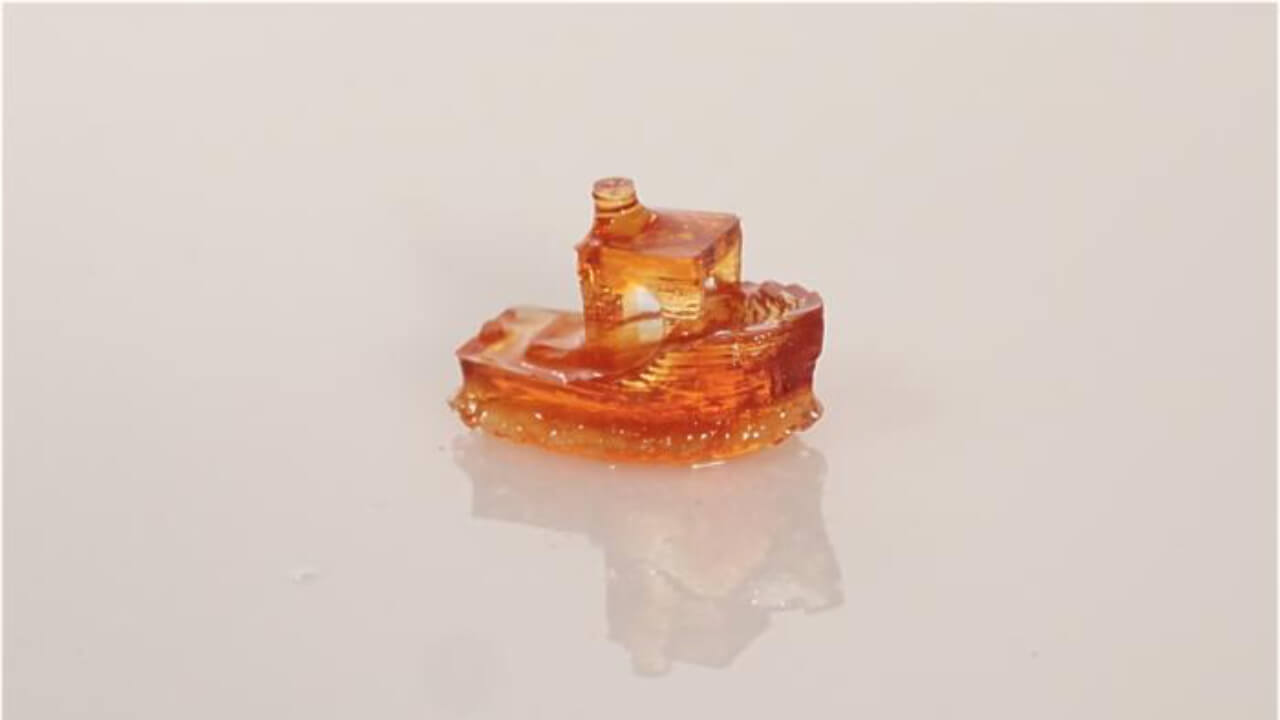
Featured image: Glass boat 3D printed using the new binder-free technology. Photo: Amir Reisinger / Hebrew University of Jerusalem