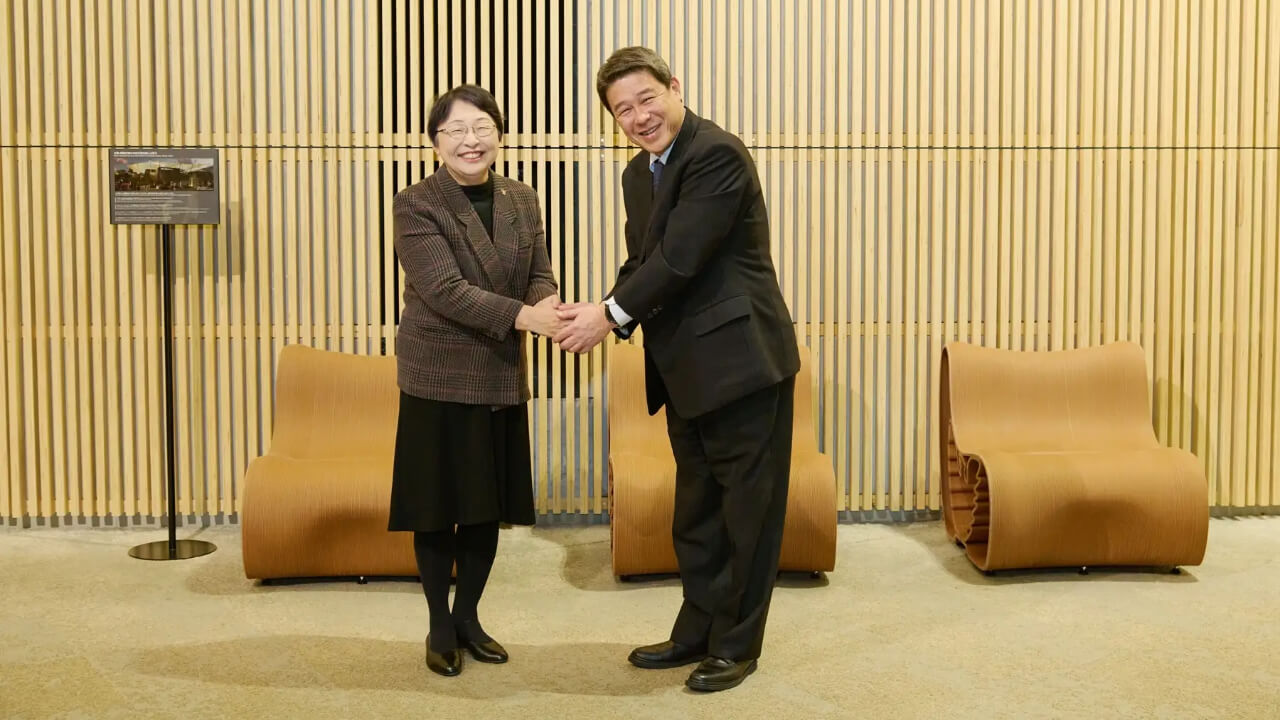
January 9, 2026 – Demonstrating circular economy 3D printing in practice, DNP, Japan’s largest printing company with diversified business operations spanning packaging, electronics, and interior design, has successfully upcycled wooden furniture and interior materials from the Luxembourg Pavilion at Expo 2025 Osaka, Kansai into chairs using 3D printing technology. The company donated the chairs to Sophia University on December 23, 2025, as part of an initiative to promote resource circulation and raise awareness about sustainable society development.
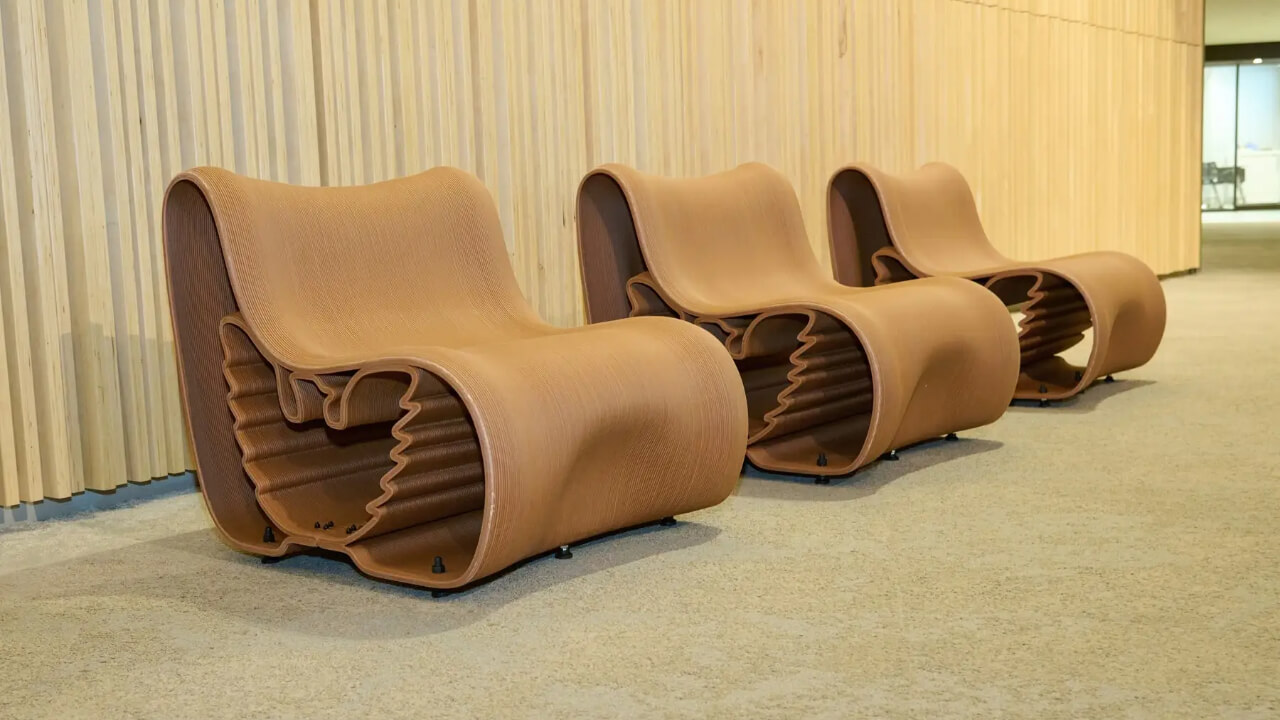
DNP, which handled the interior exhibition construction for the Luxembourg Pavilion, inherited the pavilion’s circular economy theme by repurposing materials that would otherwise become waste. The pavilion, themed “Doki Doki – Exciting Luxembourg,” showcased the country’s vision for sustainability and circular society while providing visitors with heart-pounding experiences.
DNP’s Role Beyond Traditional Printing
While DNP is recognized as Japan’s largest printing company, its business portfolio extends far beyond traditional printing services. The company operates across diverse sectors including packaging solutions, electronics manufacturing, imaging and communication, and interior design services. This project showcases DNP’s capabilities in exhibition design and construction, an area where the company has built significant expertise through numerous projects.
The company’s involvement in the Luxembourg Pavilion’s interior exhibition construction demonstrates how DNP leverages its multifaceted expertise to deliver comprehensive solutions that align with contemporary sustainability goals.
From Pavilion to Classroom: The Recycling Process
The Luxembourg Pavilion actively incorporated wooden fixtures and recyclable natural materials throughout its design, with plans from the outset to repurpose these resources after the expo’s conclusion. DNP collected desks, chairs, and interior wood materials from the pavilion and processed them through a multi-step recycling process.
The collected wood was first crushed and converted into pellets, which were then fed into 3D printers to create the chairs. This circular economy 3D printing approach transforms waste materials into functional products, eliminating the need for new raw materials. The design features Sophia University’s eagle emblem at the center, symbolizing the connection between the institution and the sustainability initiative.
Strategic Partnership and Long-Standing Relationships
The donation to Sophia University stems from deep-rooted relationships among multiple stakeholders. The Luxembourg Embassy and Luxembourg Trade and Investment Office have maintained long-standing ties with Sophia University, including annual internship programs that accept several university students and faculty-student exchange programs between Luxembourg University and Sophia University as partner institutions.
DNP has similarly cultivated cooperative relationships with Sophia University, the Luxembourg Embassy, and the Luxembourg Trade and Investment Office over many years. This convergence of relationships enabled the realization of this resource circulation initiative.
Educational Legacy for Next Generation
By displaying the chairs at Sophia University, the initiative creates opportunities for students to learn about the project and understand the significance and value of products created through resource circulation. DNP views this as passing on a legacy to the next generation, contributing to raising awareness about sustainable society development among young people who will shape the future.
DNP’s Environmental Commitment
DNP states that it continuously considers the coexistence of business activities and the global environment, working to solve various challenges toward realizing sustainable environment, society, and economy. Through this chair recycling project, the company aims to demonstrate concrete examples of circular economy 3D printing, showing how additive manufacturing technology can advance sustainability goals while creating valuable products.
The initiative represents a practical application of expo themes extending beyond the event itself, transforming temporary exhibition materials into permanent educational tools that will continue inspiring sustainability awareness long after the expo’s conclusion.
Sources: