Global developer of 3D printed prosthetics demonstrates viable business model for additive manufacturing in healthcare through systematic deployment of digital prosthetic manufacturing
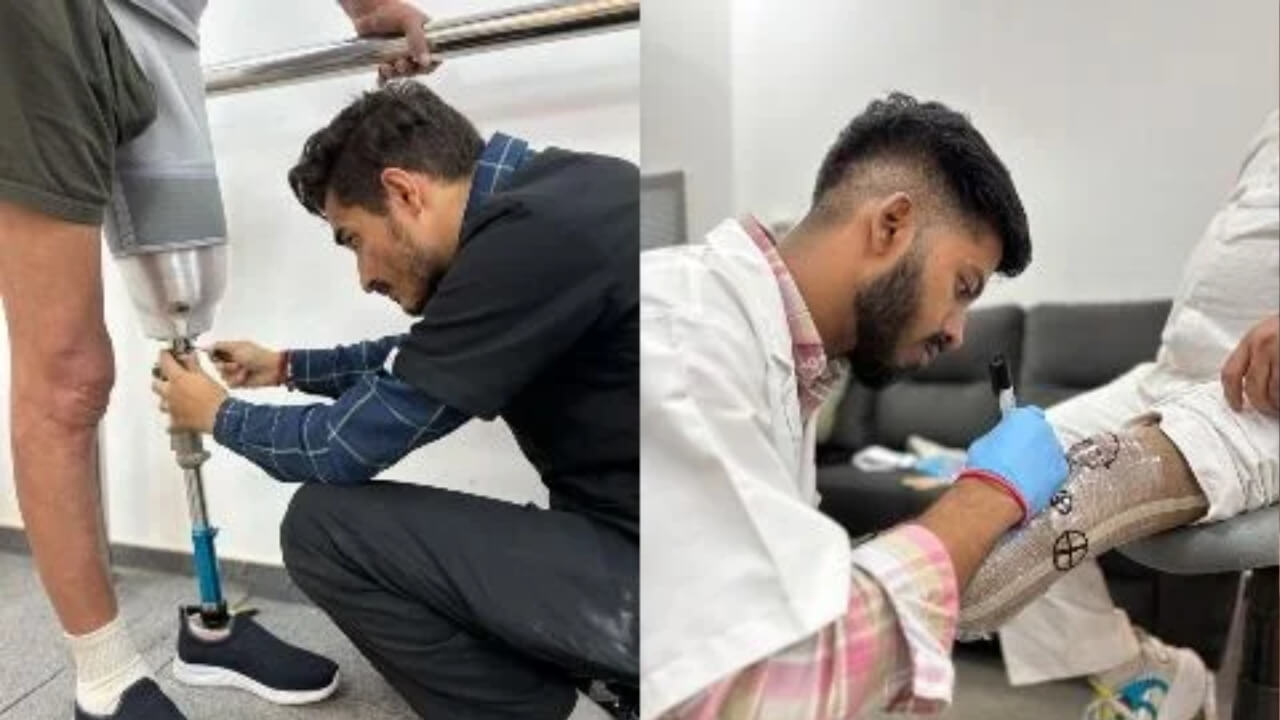
TOKYO, January 22, 2026 — Instalimb Corporation, a Japanese developer of AI-assisted 3D printed prosthetics, has been selected for the United Nations Industrial Development Organization (UNIDO) Global South Technology Transfer Program. The ¥1 billion demonstration project will deploy the company’s digital manufacturing solutions to prosthetic facilities across India, addressing severe supply shortages in the world’s largest prosthetic demand market.
The program, funded by Japan’s Ministry of Economy, Trade and Industry, aims to transform prosthetic manufacturing in India and South Asia through systematic deployment of Instalimb’s integrated solution combining AI-powered CAD software, specialized 3D printers, and standardized manufacturing protocols.
Market Gap Drives 3D Printed Prosthetics Deployment
India and South Asia represent the world’s largest prosthetic demand region, driven by increasing rates of diabetic complications and traffic accidents requiring limb amputation. However, geographic and economic barriers prevent most who need prosthetics from accessing them. Existing free or low-cost prosthetics from charitable organizations often lack proper fit and quality, while high-quality alternatives remain prohibitively expensive for most users.
The program targets medium to large-scale prosthetic manufacturing facilities including specialized workshops, hospitals, and NGOs across India. Instalimb will develop and deploy a standardized solution package designed for wide-area implementation, encompassing production capabilities, quality control systems, and customer management functions for 3D printed prosthetics.
Four-Stage Implementation Strategy for Digital Prosthetic Manufacturing
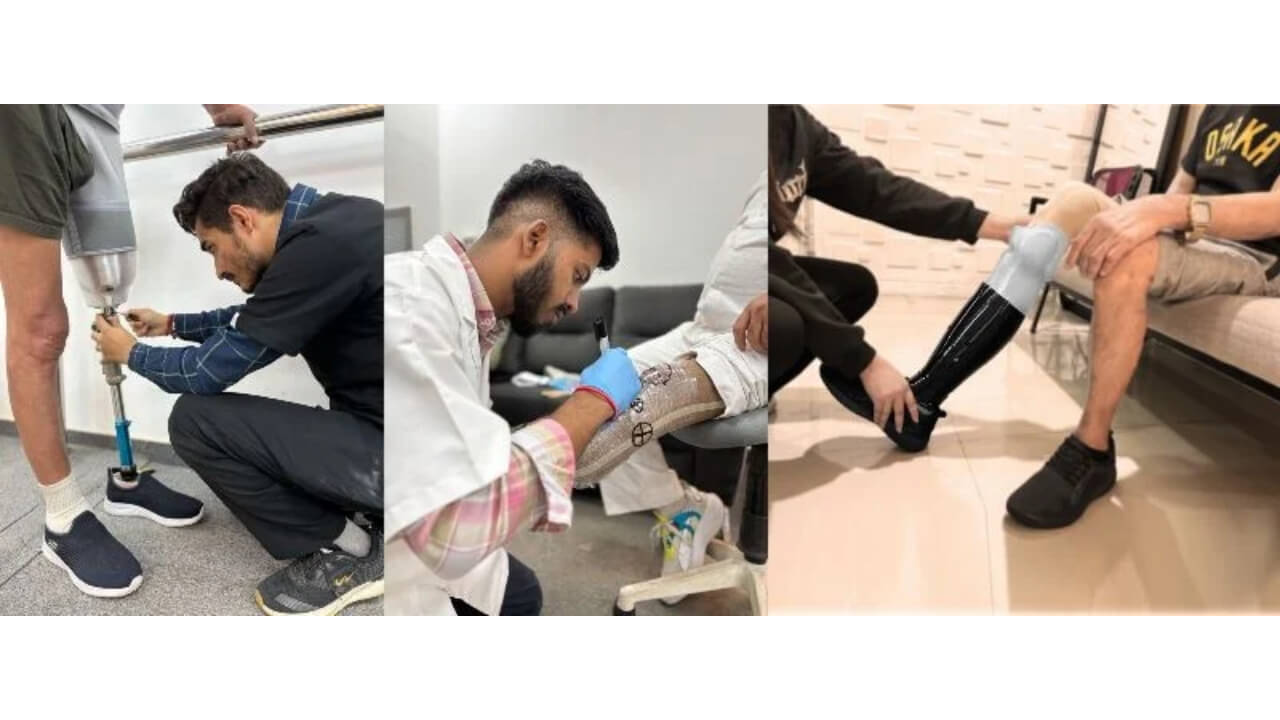
The project follows Instalimb’s previous work with major Indian organizations including ALIMCO (Artificial Limbs Manufacturing Corporation of India), the world’s largest public prosthetic manufacturer producing 150,000 prosthetic limbs annually, and Jaipur Foot (BMVSS), which provides 34,000 free prosthetics across 42 countries annually.
The demonstration project comprises four key components designed to scale additive manufacturing in healthcare:
Solution Standardization
Instalimb will optimize and standardize its 3D printed prosthetics solution for broad deployment across India, repackaging its technology into a comprehensive end-to-end system covering production, quality control, and customer management functions specifically adapted for the Indian market context.
Sustainable Business Model Development
The company will establish sustainable business models through material sales (specialized 3D printing filaments), software licensing subscriptions, and revenue-sharing arrangements with partner facilities, creating recurring revenue streams from prosthetic manufacturing.
Production Conversion Targets
The program targets converting at least 50% of production volume at 10 or more partner facilities to Instalimb’s digital manufacturing system, substantially increasing prosthetic supply capacity through technology transfer and equipment deployment.
Regional Expansion and Capacity Building
Instalimb plans regional expansion beyond India to neighboring South Asian countries including Bangladesh, while building local capacity through partnerships with educational institutions to train future prosthetic manufacturing staff in 3D printing techniques.
AI-Powered Technology Platform for Prosthetic Manufacturing
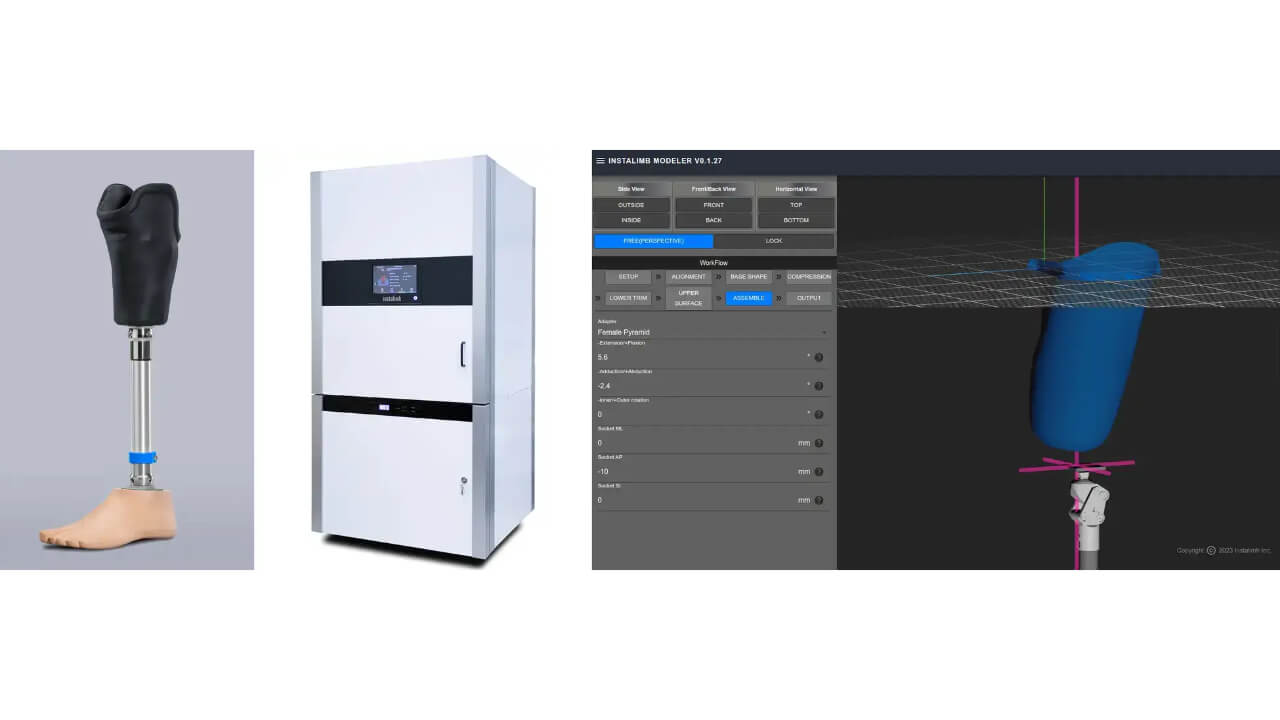
Instalimb’s solution combines proprietary AI-enabled CAD software for prosthetic design with purpose-built 3D printers and standardized manufacturing workflows. The company positions its approach as enabling “mass customization” – combining the personalization required for proper prosthetic fit with the cost efficiency of volume production through additive manufacturing.
Each prosthetic limb must be customized to individual patient anatomy, making traditional mass production approaches unsuitable for the application. The integrated digital workflow aims to address both quality and cost barriers that currently limit prosthetic access in developing markets, where conventional manufacturing methods struggle to scale while maintaining affordability.
Analysis: Global Market Creation Through Additive Manufacturing
Instalimb’s case reveals fundamental business model challenges facing the additive manufacturing industry. Japan’s domestic prosthetic market is limited in scale, making domestic-only business strategies insufficient for sustainable growth. From its founding, Instalimb has targeted global markets, particularly South Asia’s large-scale demand, establishing commercial viability for 3D printed prosthetics.
This provides clear answers to fundamental challenges facing Japanese AM companies. Many AM-related enterprises possess superior technology but struggle to scale operations by remaining limited to domestic markets. Instalimb created genuine business opportunities by directly entering India’s large-scale prosthetic market, establishing local operations, and building track records with major organizations.
The UNIDO program further expands this strategy. Through the ¥1 billion demonstration project, Instalimb moves from transactional relationships with individual organizations toward establishing position as manufacturing infrastructure across India. The business model of material sales, software licensing, and revenue sharing creates mechanisms for continuous revenue generation rather than one-time product sales in prosthetic manufacturing.
Critically, Instalimb represents one of few Japanese AM companies achieving actual success in global markets. Rather than stopping at technology development and exhibition participation, the company has built large-scale supply systems addressing concrete market needs and established viable businesses locally. This exemplifies “business creation” that Asia’s entire additive manufacturing industry must pursue.
The company’s success addressing the complex challenge of meeting high quality requirements and individual customization while accommodating developing market price constraints through 3D printing’s inherent strengths – digital manufacturing, distributed production, and mass customization – merits particular attention in healthcare additive manufacturing. This success model offers applicable insights for other medical device fields and industrial applications.
Implications for Asian Healthcare Additive Manufacturing
The UNIDO program represents a significant test case for additive manufacturing deployment in healthcare applications across South Asia. Success in India, with its complex logistics environment and diverse regional markets, could establish replicable models for neighboring countries facing similar healthcare infrastructure challenges.
India’s large prosthetic demand provides substantial market scale for validating production-oriented 3D printing solutions in medical applications. The program’s focus on facility-level technology transfer rather than centralized production also demonstrates distributed manufacturing approaches potentially applicable to other medical device categories.
The project additionally highlights Japan’s strategic use of industrial development aid to support home-country companies’ overseas expansion in advanced manufacturing technologies, particularly targeting South Asian markets where Japanese firms often face competitive pressures from Chinese and European manufacturers in the additive manufacturing sector.
Program Context and Company Background
UNIDO’s Global South Technology Transfer Program facilitates large-scale technology demonstrations in developing countries, funded by Japan’s Ministry of Economy, Trade and Industry to strengthen international supply chains and industrial infrastructure. The program specifically targets non-ASEAN member countries in the Global South for Japanese technology deployment.
Instalimb, founded in 2017 and headquartered in Tokyo’s Sumida Ward, maintains operations in India (Gurugram, Haryana) and the Philippines (Makati City). The company states its vision as creating a world where all who need prosthetics can access high-quality devices through 3D printed prosthetics technology.