Where Industrial SLS and Consumer FDM Share the Same Floor
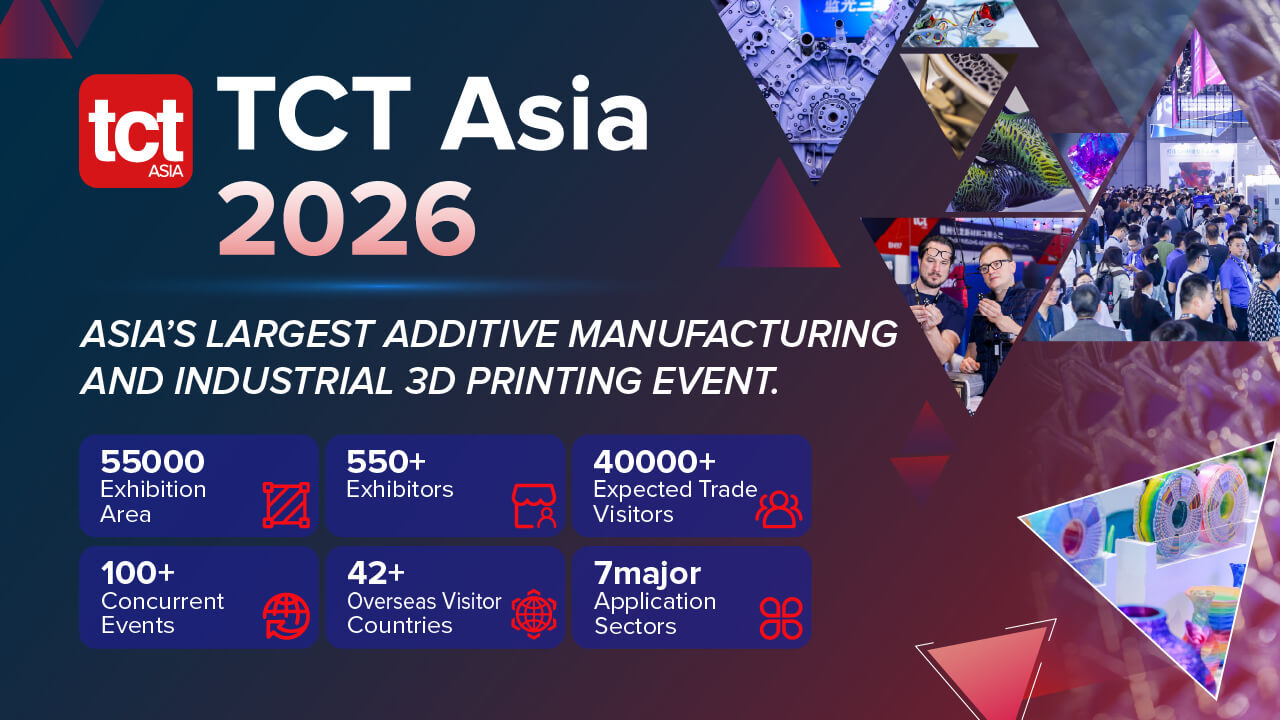
TCT Asia 2026 took place from March 17 to 19 at the National Exhibition and Convention Center (NECC) in Shanghai. With over 550 exhibitors and more than 40,000 visitors reported in attendance, the event once again established itself as the largest additive manufacturing gathering in the Asia-Pacific region.
Hall 8.1 was a world of its own — a space where consumer-oriented and industrial exhibitors shared the same floor in a way that defied easy categorization. Influencers were live-streaming from every corner, cosplayers wandered between booths, and cutting-edge manufacturing equipment hummed in the background, all at once. It was chaotic, electric, and entirely unique to this show.
There were far more companies worth covering than space allows, and many have already been picked up by media outlets around the world. From that crowded field, here are 10 companies in TCT Asia 2026 Polymer AM that caught AMIA’s attention.
1. Bambu Lab: From Desktop Printer to the Symbol of TCT Asia 2026 Polymer AM
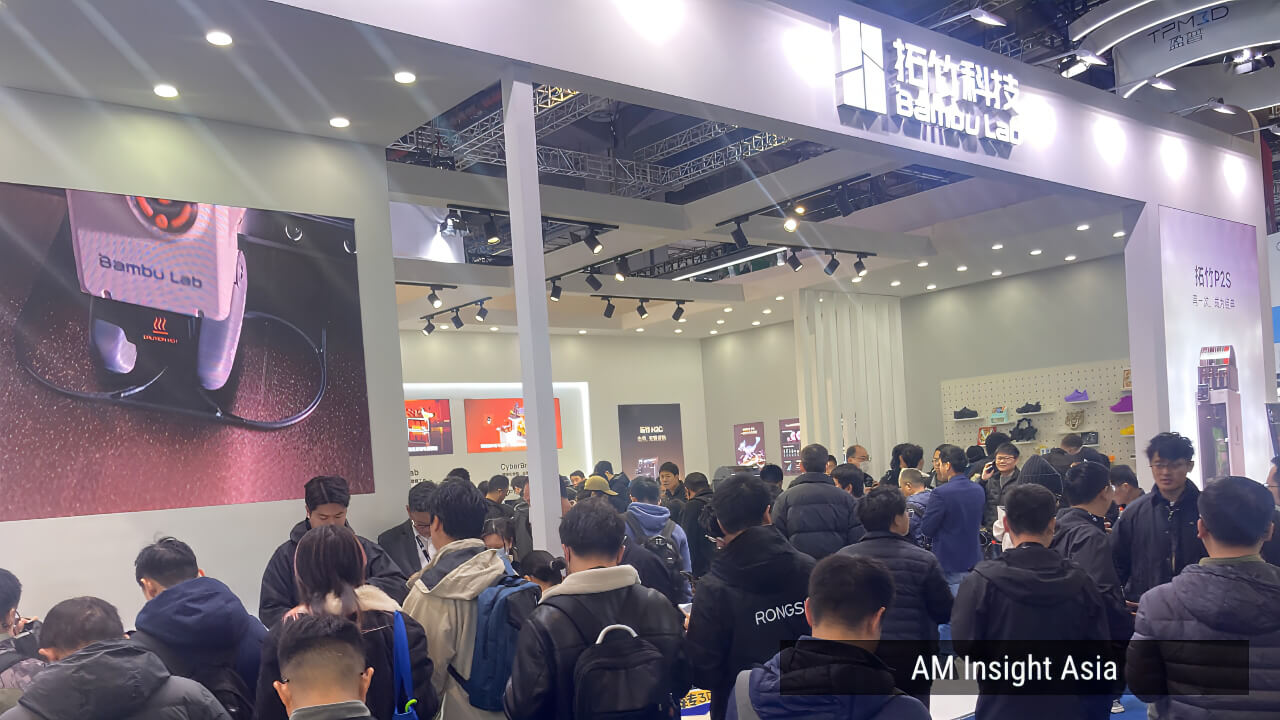
Bambu Lab arrived at TCT Asia 2026 having crossed 10 billion RMB (approximately $1.4 billion USD) in annual revenue — a milestone unprecedented in the history of desktop 3D printing. The booth presented a full lineup spanning the entry-level A1, the prosumer P2S, and the industrial-grade H2D, H2C, and H2S systems, drawing a steady stream of visitors throughout all three days.
What made the exhibition stand out was not just the hardware. Bambu Lab showcased Formula SAE racing car components, motorcycle helmets, and shoe midsoles — all produced on their own machines — making a direct case for the production-floor relevance of desktop FDM. The company also announced the establishment of a new Shanghai subsidiary with over 70 R&D hires focused on AI algorithms, embedded systems, and the MakerWorld platform.
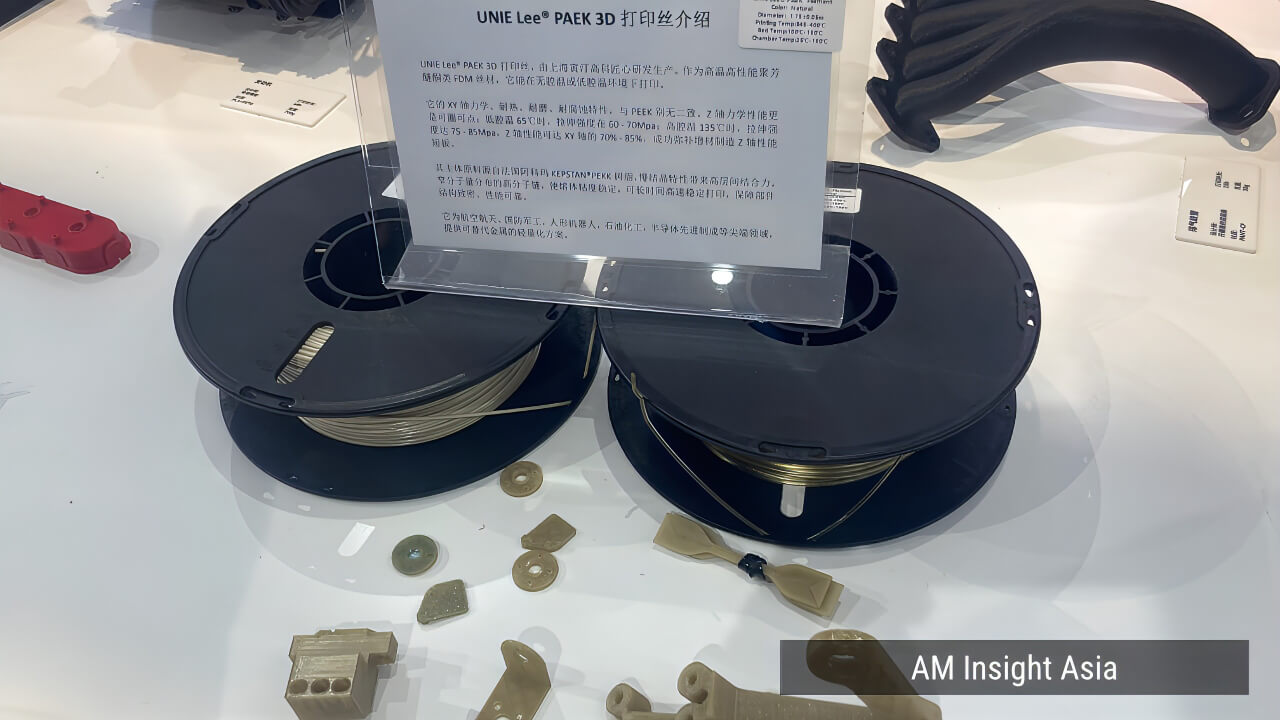
One detail that caught particular attention on the booth floor was the presence of UNIE Lee® PAEK filament — a high-performance polyaryletherketone-based FDM material produced by Shanghai Saiding, using Arkema’s KEPSTAN® PEKK resin as its base polymer. With a printing temperature range of 345–400°C and mechanical properties comparable to PEEK in the XY axis, the material is targeted at aerospace, defense, humanoid robotics, oil and gas, and semiconductor applications. Its appearance on the Bambu Lab booth — alongside printed sample parts — was a quiet signal that the ecosystem around high-performance materials for desktop-class machines is beginning to take shape.
With over 40 proprietary material profiles synchronized across hardware and software, AI-based error correction, and cloud-based fleet management, the ecosystem Bambu Lab is building no longer resembles that of a printer manufacturer. What the company is constructing is a platform — one where the switching costs themselves become the competitive advantage.
2. Creality: Volume Leadership, Now with a Closed-Loop Twist
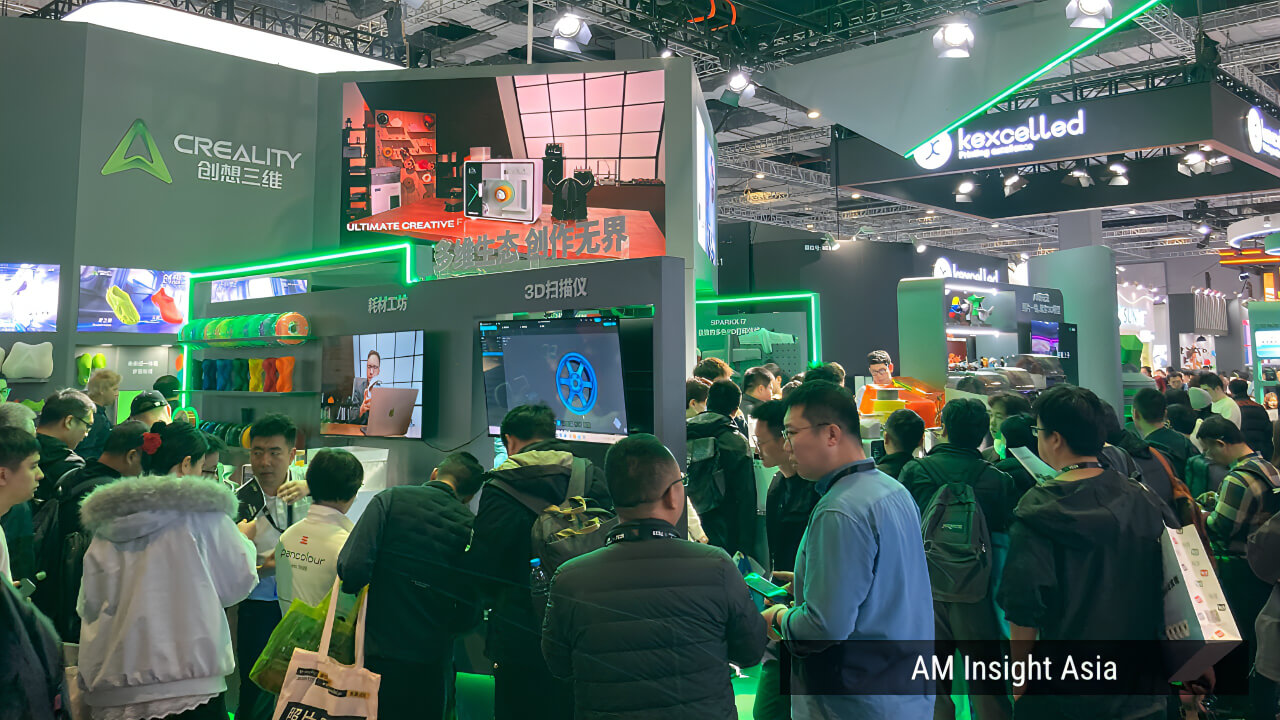
Creality once again showed up at Hall 8.1 as one of the defining desktop brands of the show. The company behind the globally recognized Ender-3 series made clear that its TCT Asia 2026 story was not just about printers.
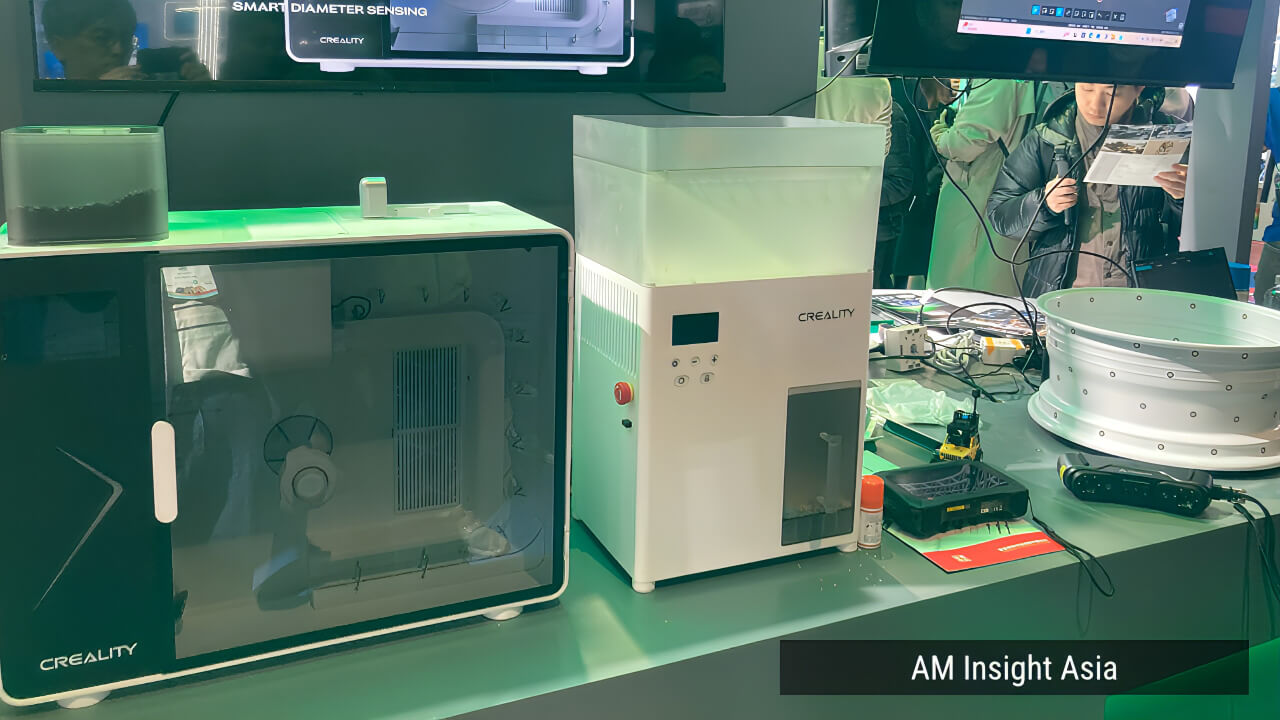
The exhibit that drew attention was a closed-loop filament recycling system named “Filastudio,” comprising two machines: the Shredder R1 and the Filament Maker M1. The system shreds failed prints, support structures, and purge waste from multicolor printing down to uniform particles of 4mm or less, then extrudes and spools them into reusable 1.75mm filament — all on a desktop footprint. Claimed output capacity is up to 1kg/h with a diameter tolerance of ±0.05mm using virgin pellets (±0.1mm for recycled material). The system supports eight materials including PLA, ABS, PETG, ASA, PA, PC, TPU, and PET, and is designed to allow mixing of different colors to create custom gradient spools.
As multicolor printing drives up purge waste across the industry, Creality’s decision to provide the recycling solution itself is a signal of where it sees its competitive territory expanding. For a company that has shipped over six million printers since its founding in 2014, the move into material self-sufficiency is worth watching.
3. Snapmaker: Bringing Kickstarter’s Most-Funded 3D Printer to the Show Floor
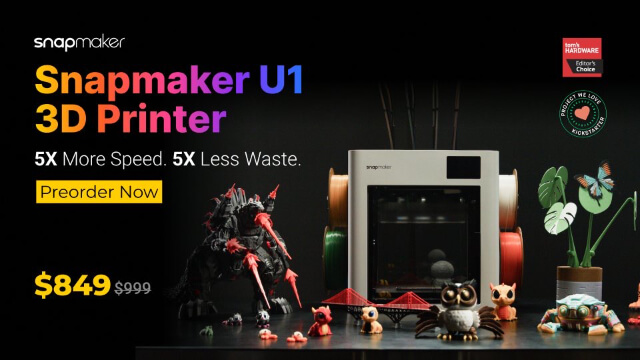
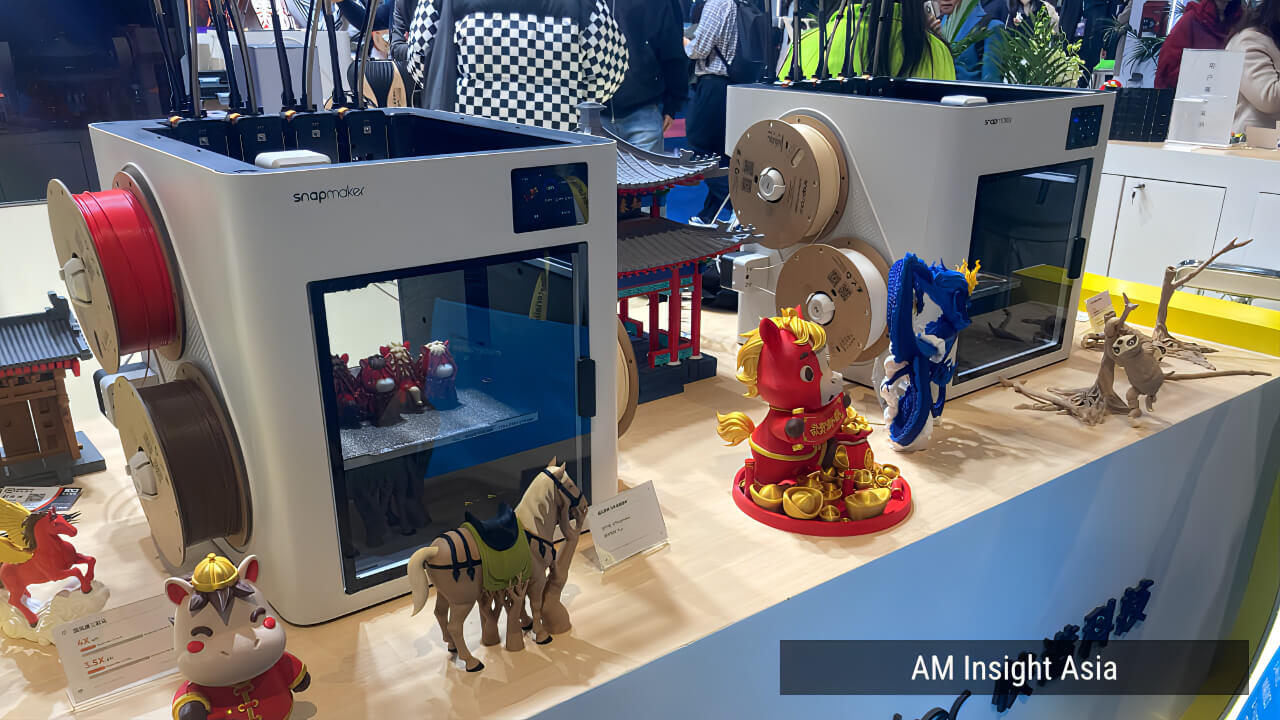
Snapmaker arrived at Booth 8D87 with the U1 — the multi-material printer that raised $20.61 million on Kickstarter, making it the most-funded 3D printer project in the platform’s history. The centerpiece of the exhibit was SnapSwap™, the company’s proprietary toolchanging system. With four independent print heads, each preloaded and pre-heated with its own filament, the U1 switches heads in just five seconds and claims to reduce filament waste during material transitions by up to 80%.
The approach addresses a problem that has long frustrated multi-color FDM users: the time and material lost to purging. By switching toolheads rather than flushing material through a shared nozzle, the U1 sidesteps the issue structurally. The machine runs a CoreXY motion system with a 270×270×270mm build volume, a maximum speed of 500mm/s, and acceleration up to 20,000mm/s².
The pricing deserves attention. Kickstarter backers secured units at $799, and the pre-order price at the time of TCT Asia 2026 stood at $849, with a retail price of $999. For a four-toolhead toolchanging system, that price point is nearly without precedent in the market — and starkly different from Bambu Lab’s H2D, which sits above $2,000. Snapmaker’s appearance at TCT Asia 2026 marked the transition from crowdfunding success to production reality.
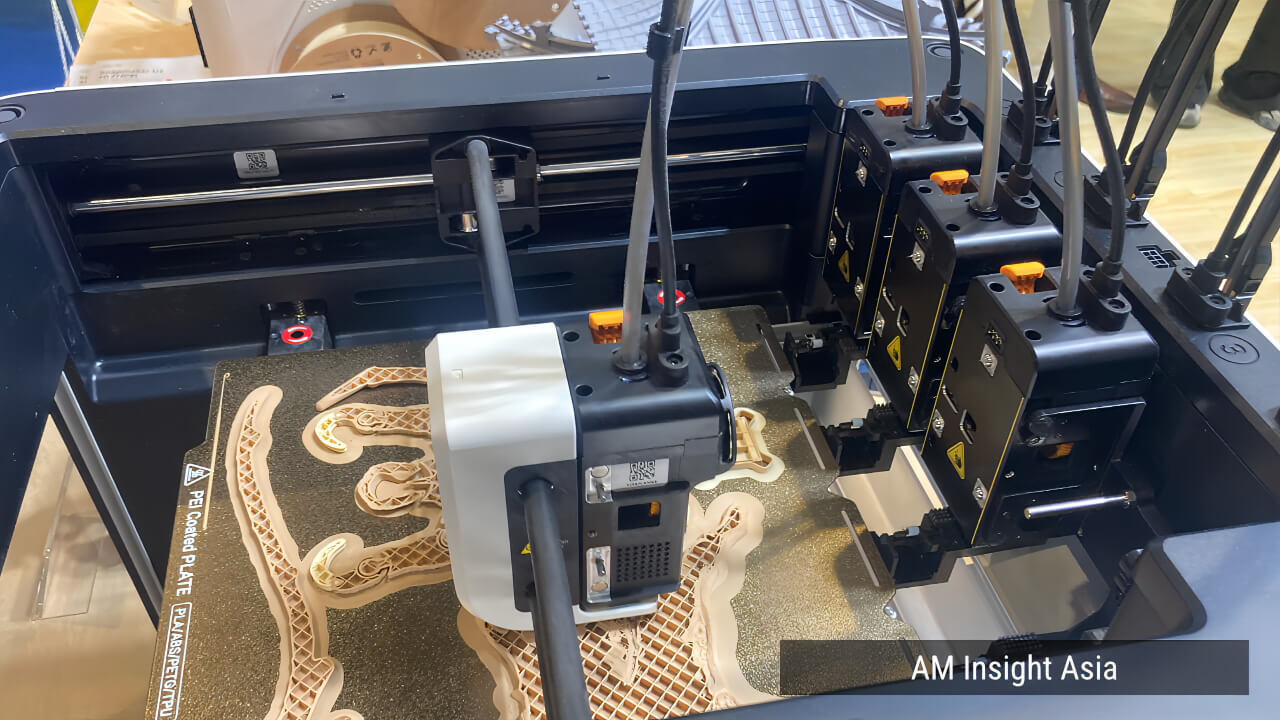
4. FLASHFORGE: Four Extruders and Full-Color Inkjet — A Two-Front Launch
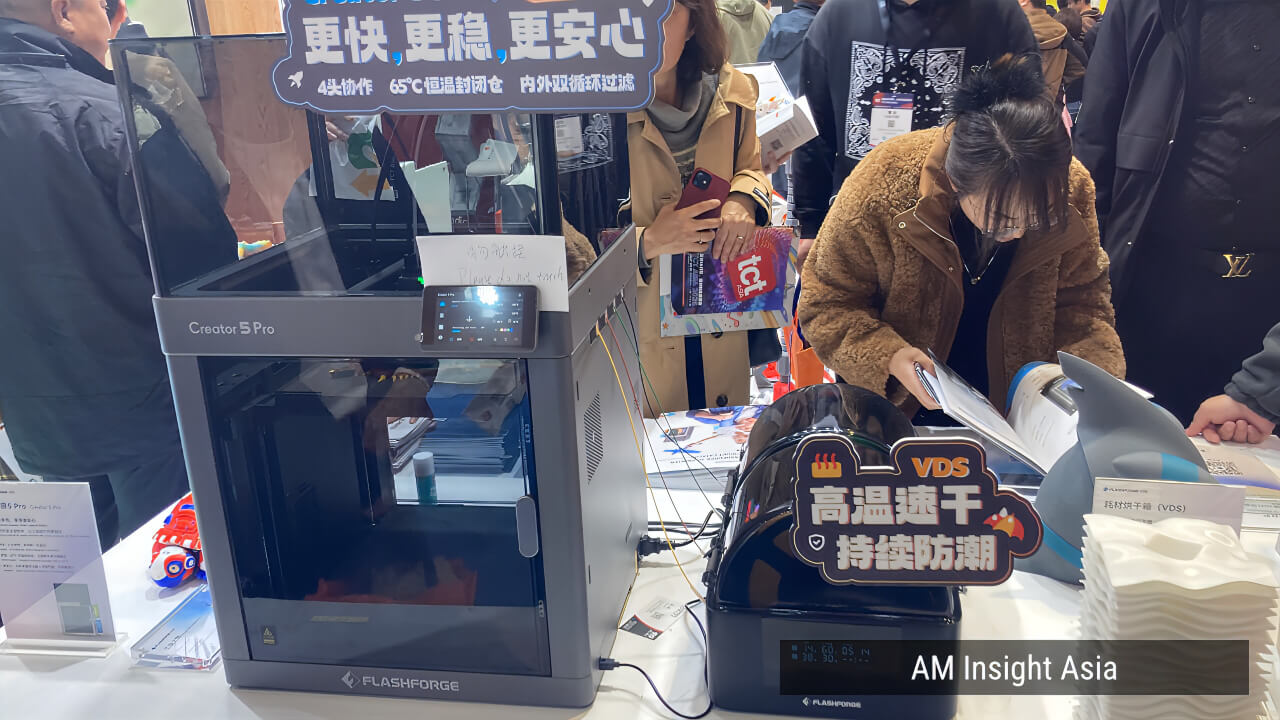
FLASHFORGE made a strong entrance at TCT Asia 2026, unveiling multiple new products that drew attention from the first day of the show. The headline hardware was the Creator 5 series — a multi-color FDM printer with four independent extruders capable of switching colors in just seven seconds. Compared with single-extruder systems, the Creator 5 significantly reduces total print time while supporting hybrid printing of rigid and flexible materials, as well as multi-color TPU printing. The higher-spec Creator 5 Pro adds a fully enclosed temperature-controlled chamber and an adaptive air circulation system, enabling engineering-grade materials including ABS, ASA, PAHT-CF, and PET-CF.
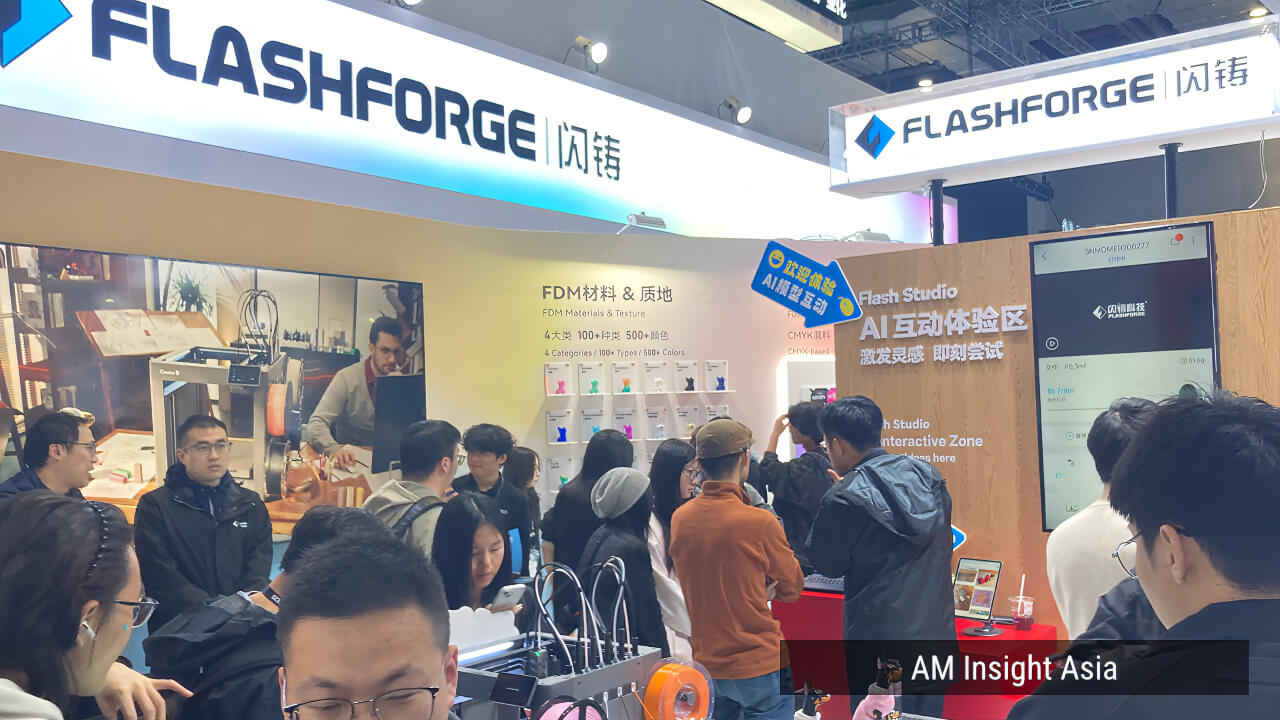
The second product that drew significant interest was the CJ270, a desktop full-color 3D printer based on inkjet technology. Unlike FDM, inkjet deposition enables color gradients and fine color expression to be applied directly to the object as it is printed — a capability that opens the door for figurines, character models, architectural prototypes, and any application where visual quality is the primary goal. The potential user base spans hobbyists and professional print services alike. FLASHFORGE rounded out the announcement with Flash Studio 2.0, its integrated software ecosystem, reinforcing its push to connect hardware and software as a unified offering.
5. QUBEA: Industrial SLA Heritage, Pointing Toward New Territory
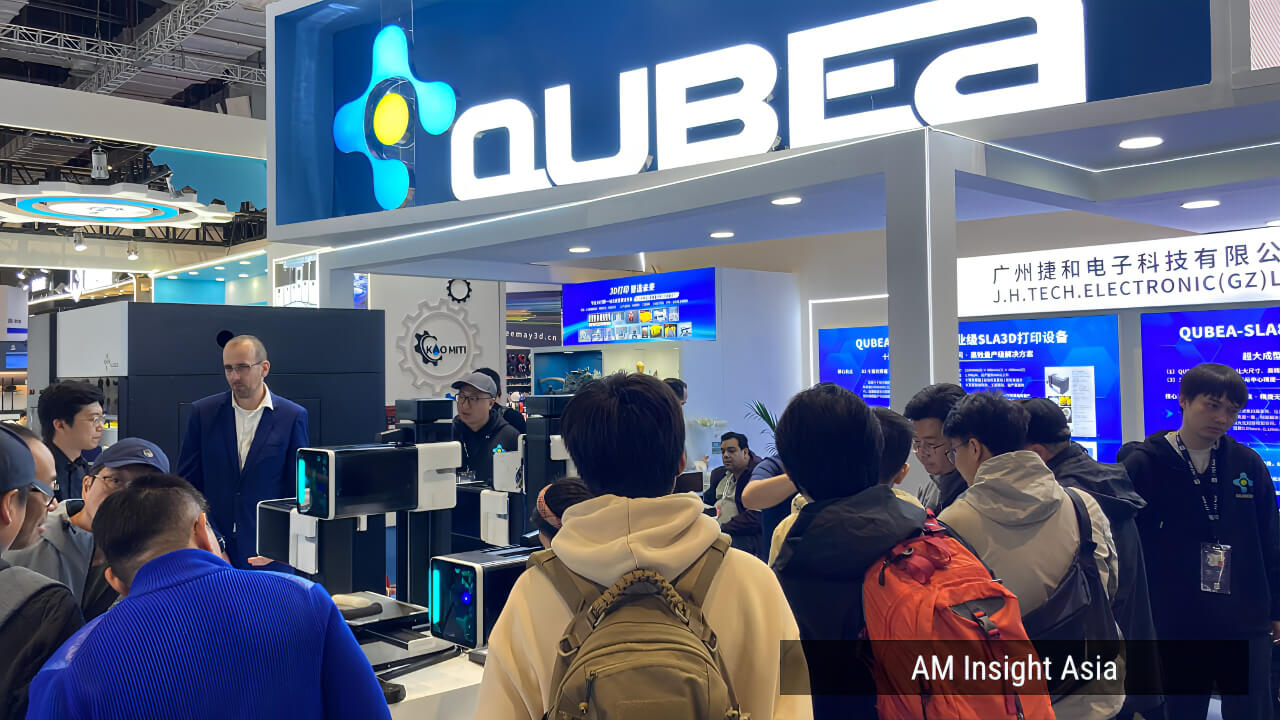
QUBEA is a Chinese manufacturer specializing in industrial SLA (stereolithography) 3D printers. The company’s optical system combines a dynamic focusing system with dual scanning galvanometers, achieving a laser spot circularity of over 90% across the build area — a key factor in maintaining consistent accuracy over large parts. Its product range spans from a compact dental-focused SLA 300 to the fully customizable industrial SLA 1900 with a build size of 1,900×1,000×800mm, covering applications in automotive, medical, and precision casting sectors where tight tolerances are non-negotiable.
What made QUBEA stand out at TCT Asia 2026 was a prototype machine with an appearance strikingly similar to a conventional FDM desktop printer. Photopolymer printing has historically been held back by its workflow demands — liquid resin handling, post-print washing, and UV curing are friction points that have kept many users on the FDM side of the market. The prototype appeared to be designed around eliminating, or at least dramatically reducing, that overhead. The machine is still in development, with a Kickstarter crowdfunding campaign reportedly planned for mid-2026. If the approach delivers on its promise, it could open photopolymer printing to a user base that has never seriously considered it.
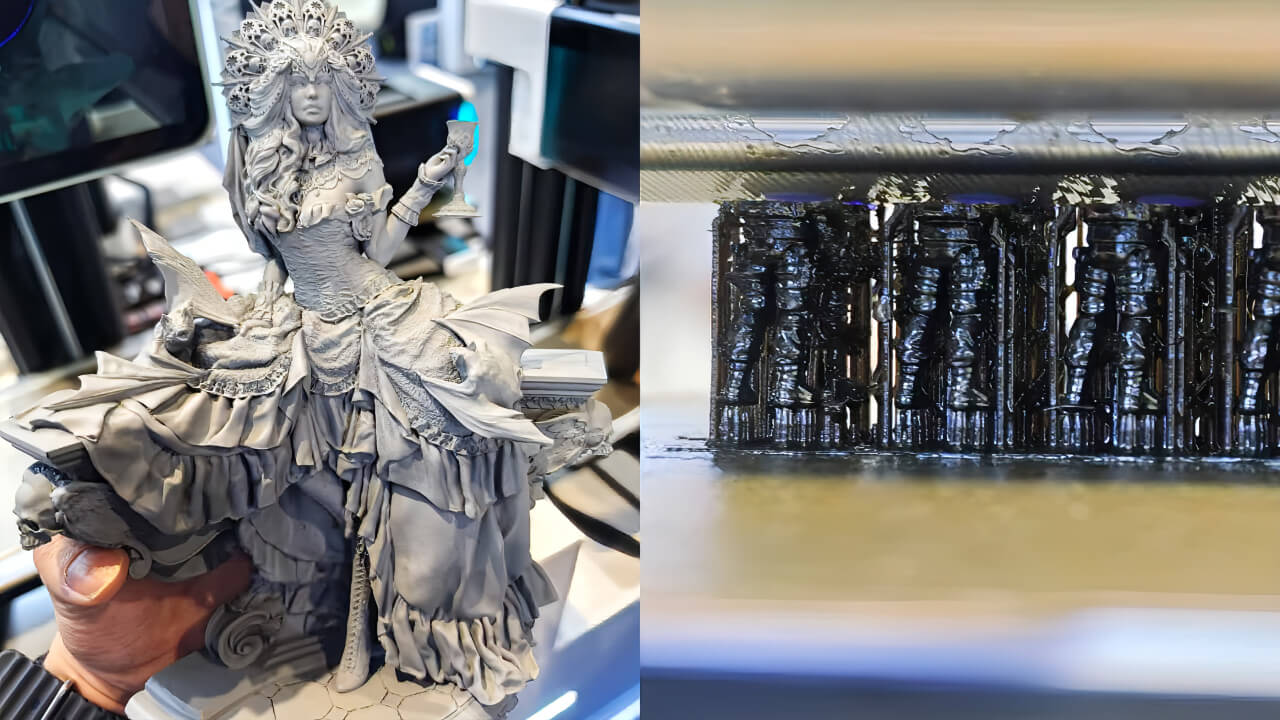
6. TPM3D: Three New SLS Products, Delivered with Style
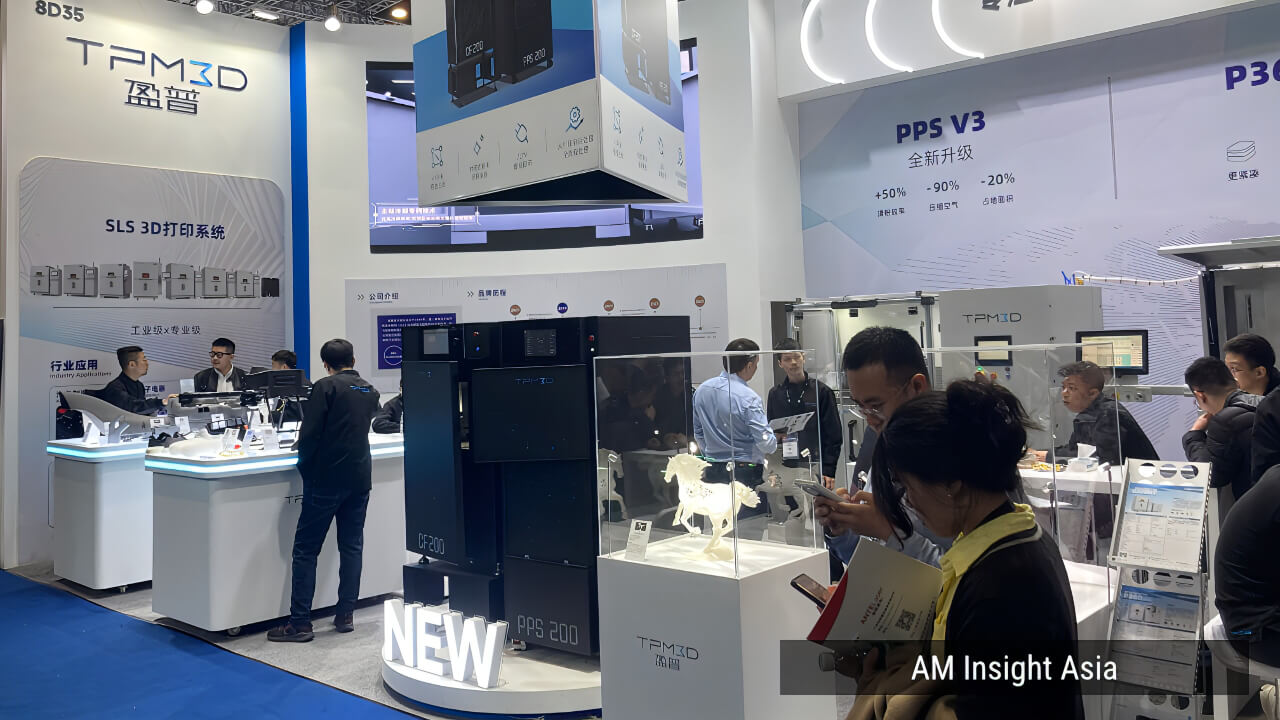
TPM3D unveiled three new products at its Hall 8.1 booth, signaling a clear push to widen the accessibility of selective laser sintering technology.
The first impression was the booth itself. SLS manufacturers are not typically known for showmanship, but TPM3D’s presentation was polished. The flagship announcement, the CF200+PPS200, is an all-in-one compact SLS system with a footprint of just 0.48m². Standing in front of it, the reaction was genuinely disbelief that this was an SLS printer. The CF200 printer (200×200×320mm build chamber, 30W fiber laser) pairs with the PPS200 powder processing station to automate the full workflow from printing through depowdering and powder recycling — making SLS viable in labs, small workshops, and office environments where large industrial systems would never fit.
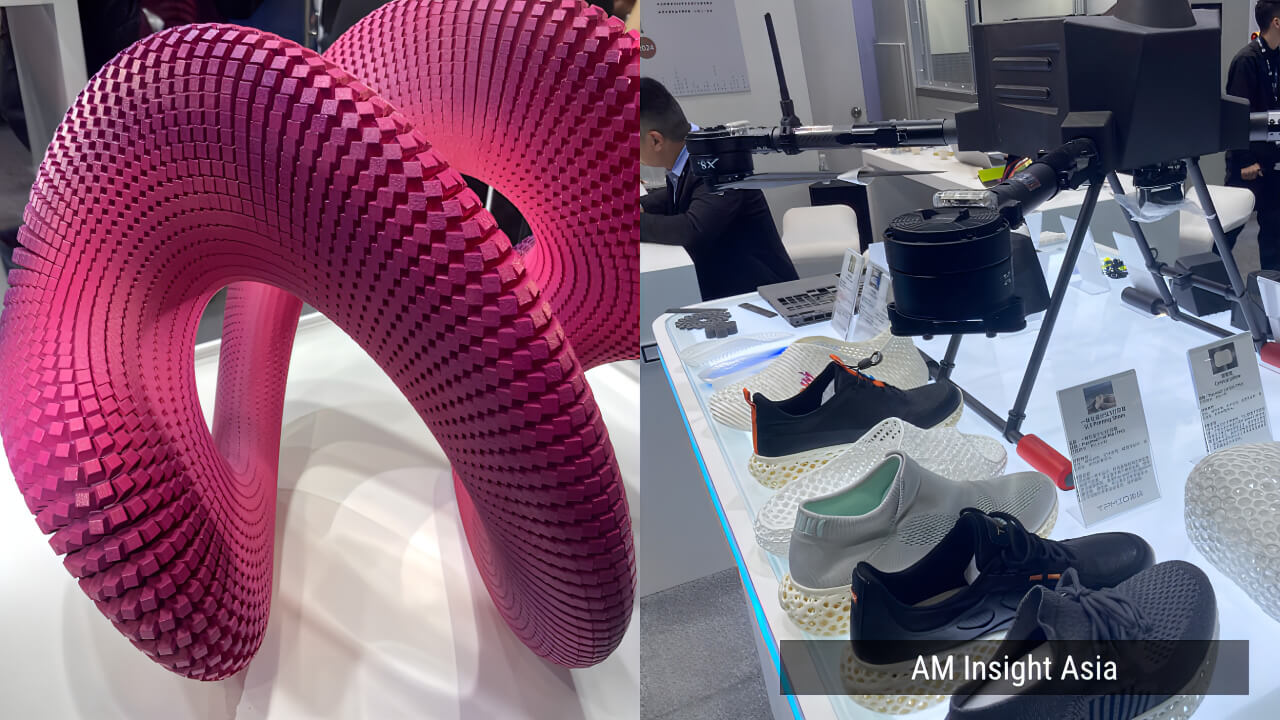
The booth also made a strong case for the breadth of SLS applications through its sample displays. Sneaker midsoles, sandals, drone frames, and pillows were all on show — letting visitors handle the parts directly, which was an effective way to communicate material versatility. The industrial-grade P360 Ultra reduces footprint by 11% versus its predecessor while upgrading the powder feeding and thermal control systems. The PPS V3.0 post-processing station integrates six functions into one unit and connects seamlessly with all TPM3D printing systems. For a company founded in 1999 with over 25 years in SLS, TCT Asia 2026 showed a business that has found a new angle for the next phase of growth.
7. Phaetus: The “Flow Revolution” — Rapido X Targets 1,000mm/s
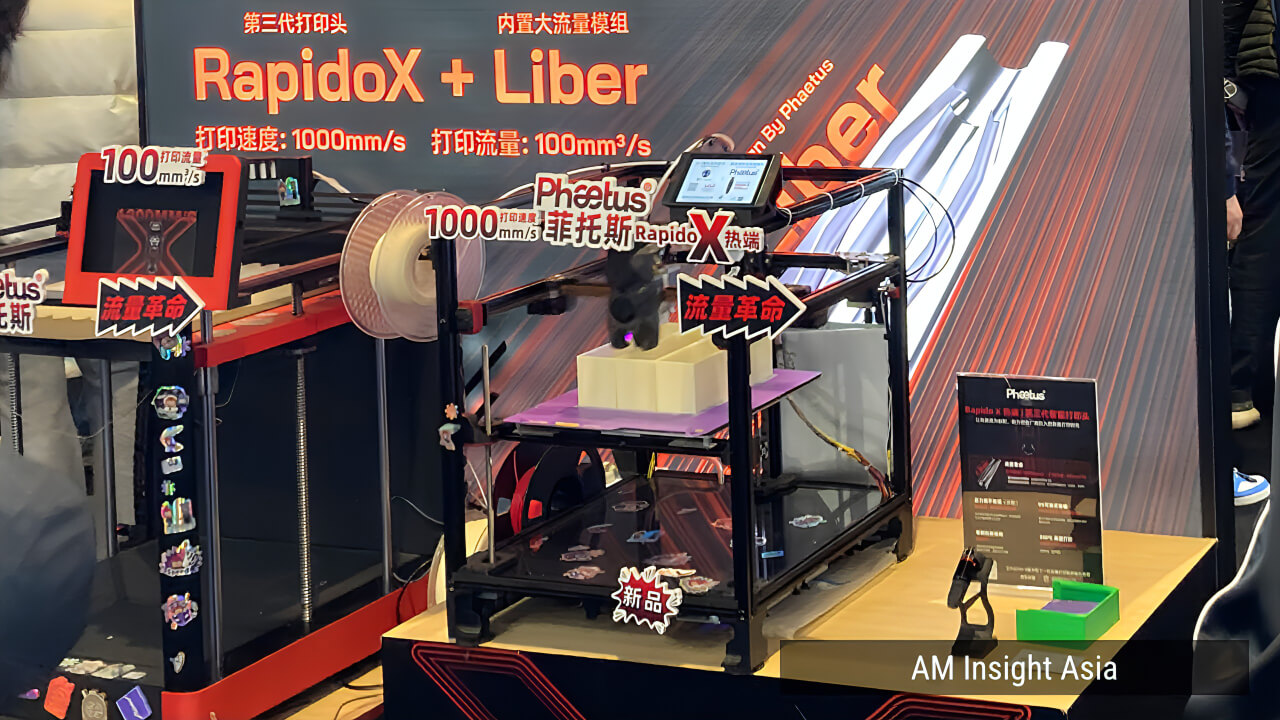
Phaetus is a Chinese manufacturer focused entirely on the core components of 3D printers — hotends, nozzles, and extruders. With product lines including Dragonfly, Rapido, Taichi, and BMO, the company has built its market position on one consistent premise: the quality of a print is determined by what happens at the nozzle, not just the machine around it.
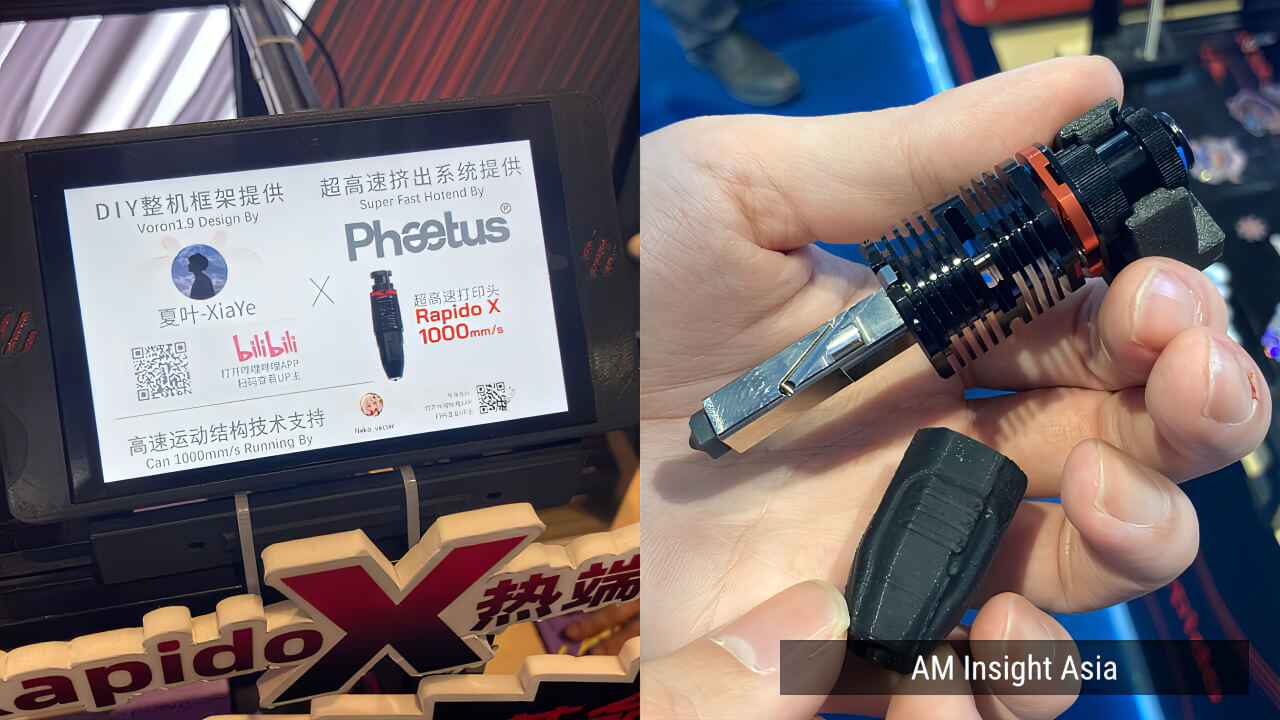
The centerpiece of this year’s exhibit was the Rapido X, a new hotend announced under the banner of “Flow Revolution,” targeting a print speed of 1,000mm/s. The demo setup was particularly noteworthy: BiliBili creator XiaYe, known for high-speed 3D printing content, had designed a custom Voron 1.9-based machine specifically for the exhibit, with high-speed motion structure support provided by Neko_vecter. The machine ran live demonstrations at 1,000mm/s on the show floor, drawing a crowd throughout the event. For a component manufacturer, the decision to collaborate with community creators for a live demo was a strong fit for the character of Hall 8.1 — and it worked.
8. HEYGEARS: Industrial Precision, Consumer Ambition
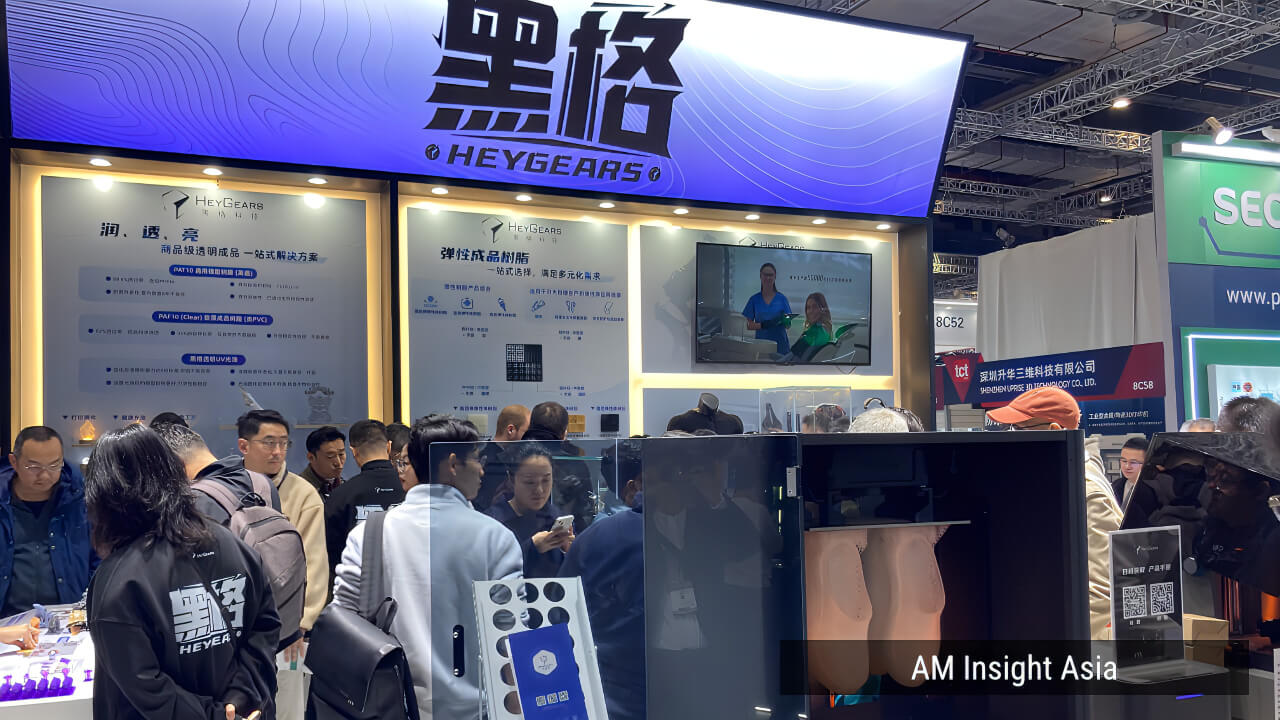
HEYGEARS is a manufacturer of high-precision DLP and mSLA photopolymer 3D printers and dedicated resins. The company built its foundation in demanding industrial and medical applications — most notably through its Multi-Material Fusion DLP technology for dental, including the OnePrint Dentures one-piece denture solution and the A2D HD dental printer.
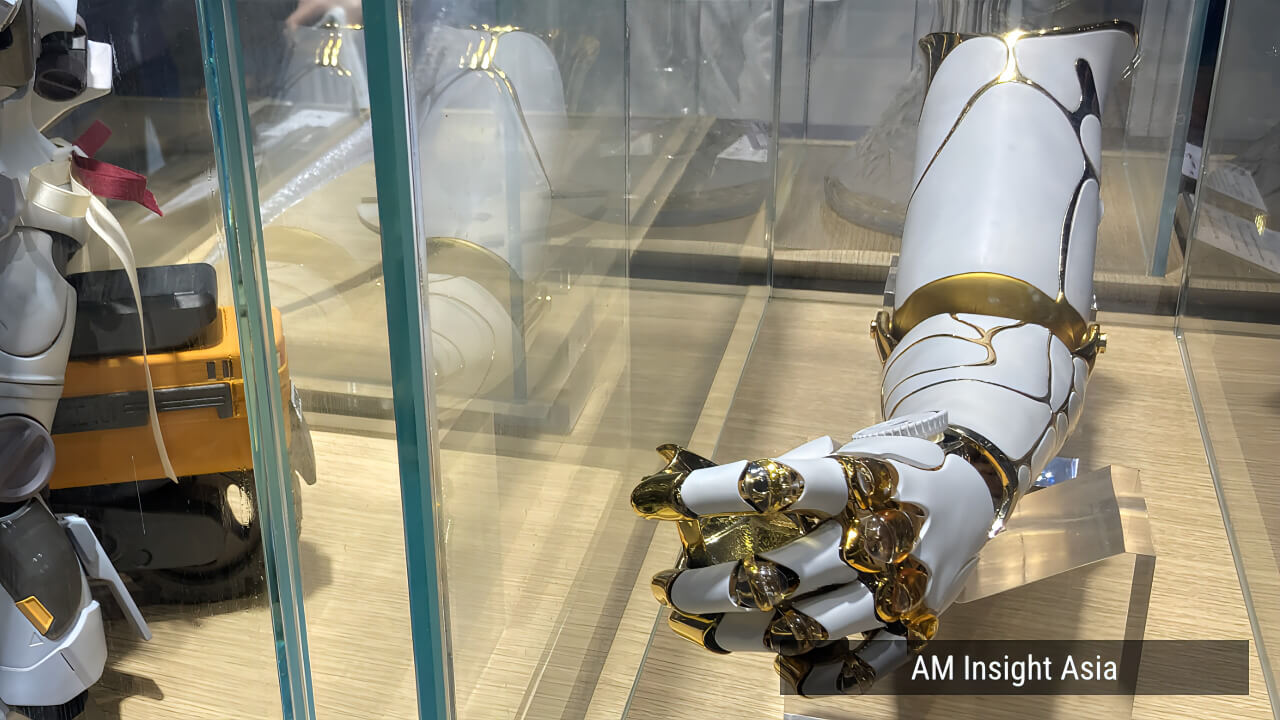
At TCT Asia 2026, the booth carried the theme “润、透、亮” (Luster, Transparency, Brilliance), presenting a transparent resin lineup (PAT10 and PAF10 Clear series) alongside elastic production resins. A large-format printer was actively running skin-toned flexible material samples on the show floor, illustrating the range from prosthetics and wearable devices to hobby models. In the display cases, a precisely finished mechanical arm in white and gold demonstrated what photopolymer printing can achieve when the underlying technology comes from a company that has had to meet dental and medical quality standards. Having started in one of the most demanding precision environments in manufacturing, HEYGEARS is positioning itself to bring that baseline quality to a much wider audience.
9. kexcelled: “Printing Excellence” — Making the Case Through Extraordinary Results
kexcelled is a materials manufacturer covering both FDM/FFF filaments and photopolymer resins, recognized at TCT Asia 2026 alongside Polymaker and eSUN as one of Hall 8.1’s key material innovators.
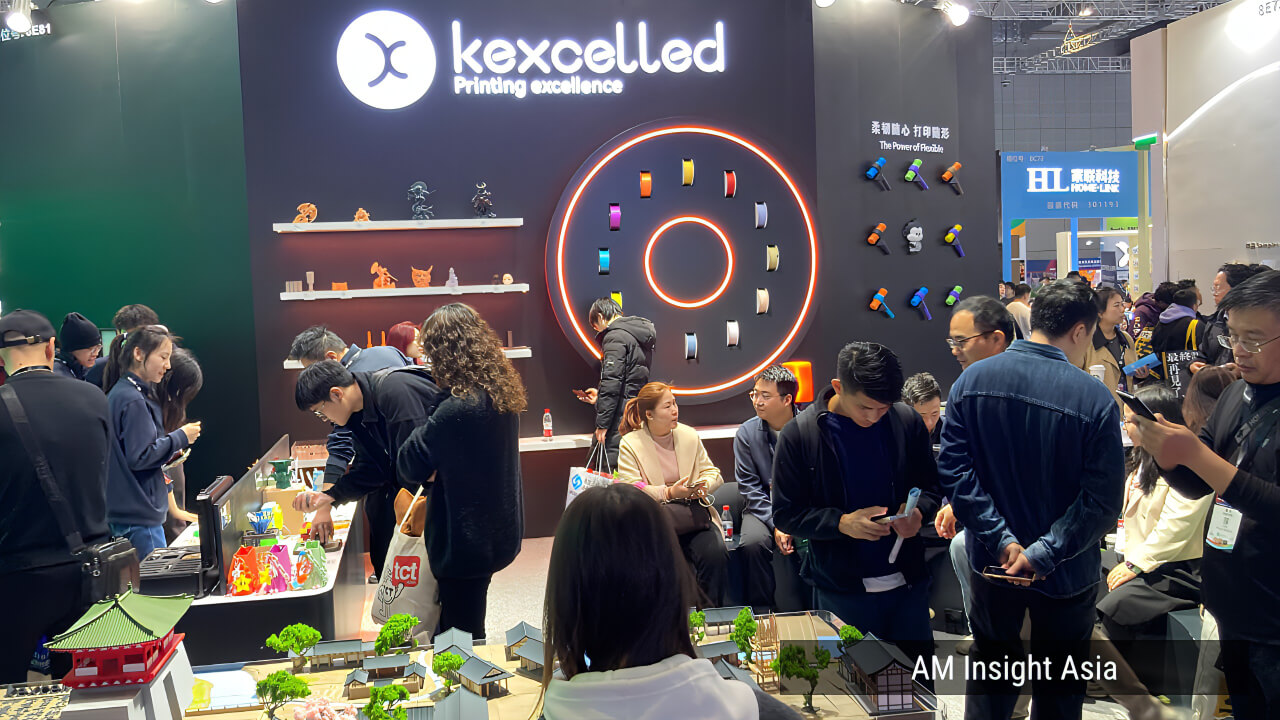
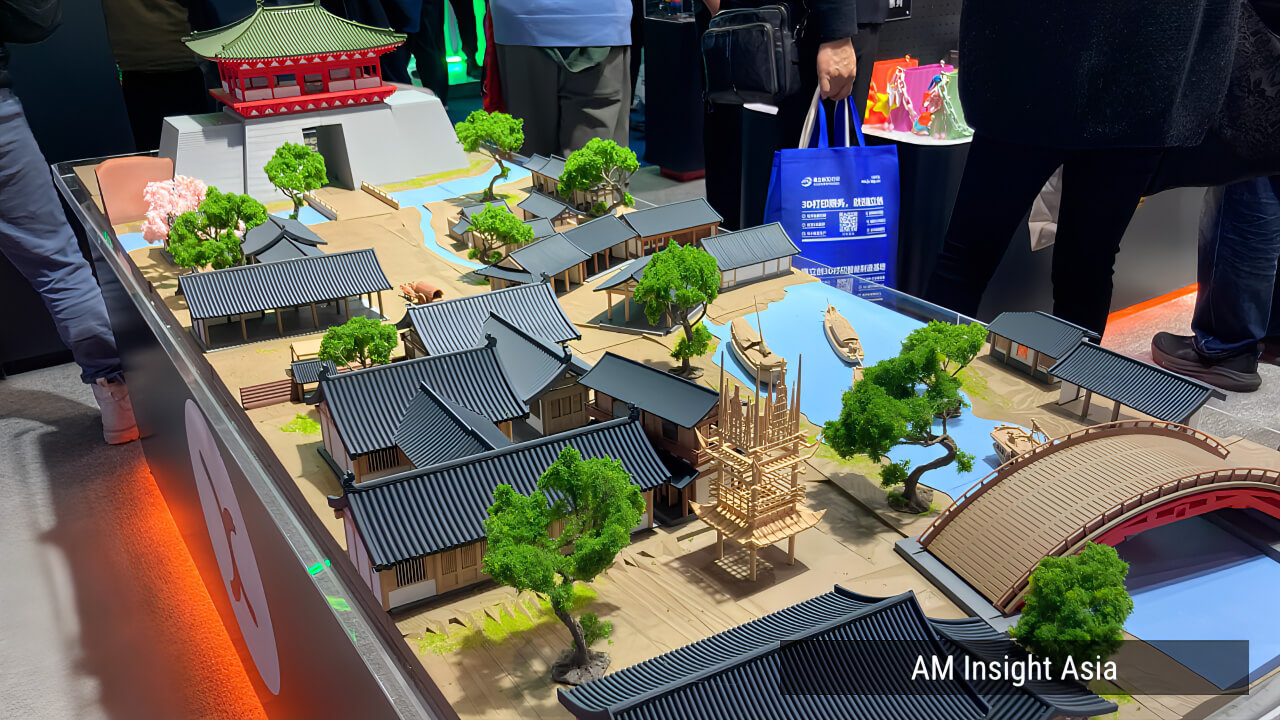
The booth was unlike most materials exhibits. Rather than leading with technical specifications, kexcelled led with results. The wall display carried the tagline “The Power of Flexible” alongside a circular arrangement of colorful filament spools, with printed dragon figures and character models on the shelves. But what stopped visitors most consistently was the large-scale architectural diorama at the center of the booth — a detailed recreation of an East Asian townscape, complete with temples, residences, a river, bridges, and trees, all produced across multiple materials and colors. It was an unusually effective demonstration of what a broad material library actually enables in practice.
The product range covers PLA, PETG, ABS, and ASA, as well as TPU (60A–95A and 77D hardness), PEBA, and carbon fiber composites. On the resin side, the professional line runs from the AcryPix and AcryHD series for detailed models through to rigid, tough, clear, and heat-resistant formulations for industrial and dental applications. The company also holds co-development relationships with major chemical companies including DOW, which adds a degree of materials science depth not always visible in consumer-facing filament brands.
10. PollyPolymer: Scaling Mass Production with HALS Ultrafast Photopolymer Technology
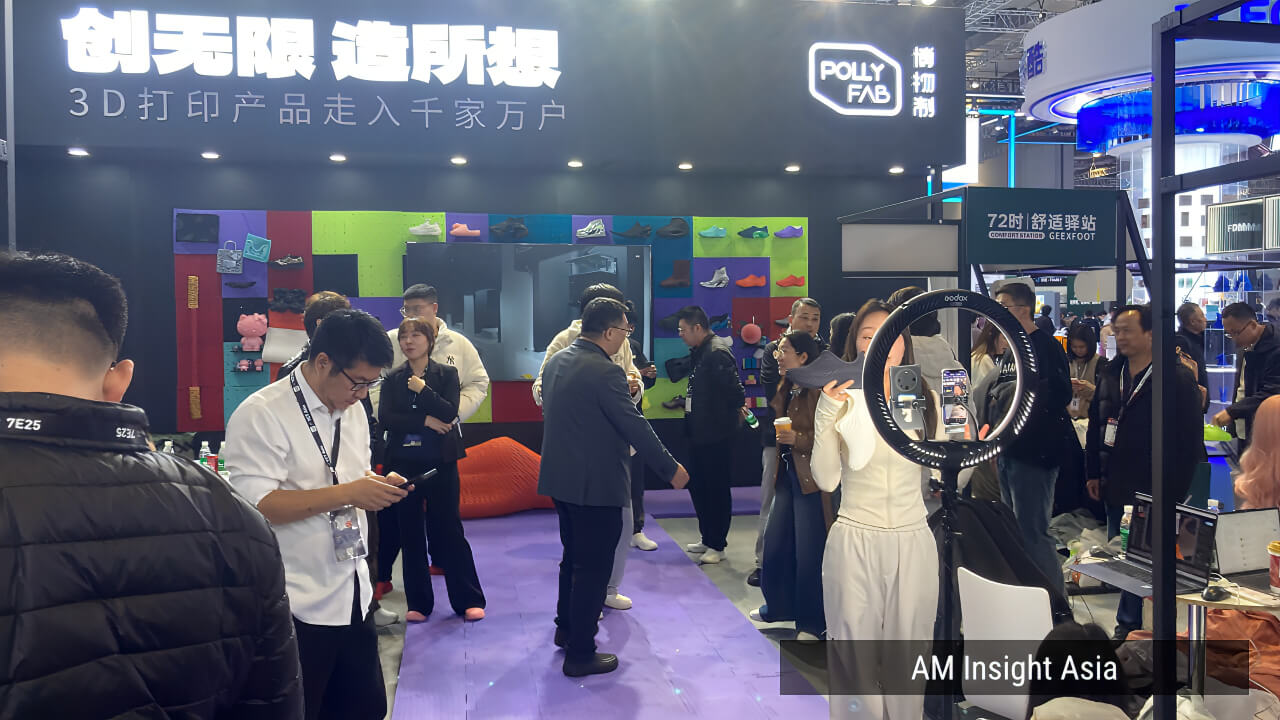
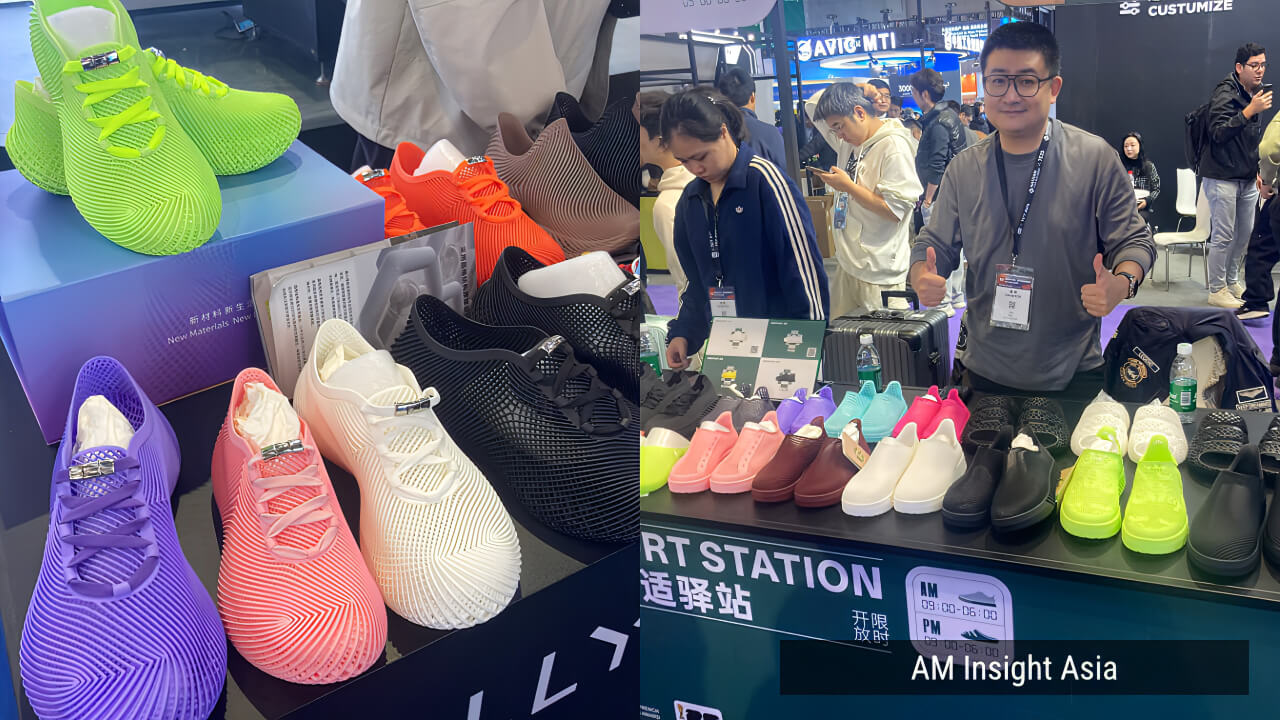
PollyPolymer is a Suzhou-based manufacturer built around HALS (Hindered Asynchronous Light Synthesis), a proprietary ultrafast photopolymerization technology developed in-house. Founded in 2017 by materials scientist Wang Wenbin, the company began in footwear and has grown to a production capacity of two million 3D-printed pairs per year, with plans to double that in 2026. It supplies components and complete printed shoes to brands including Cole Haan, Skechers, and Peak Sport, and has collaboration credits with Disney, Samsung, and Bosch.
The booth presented the TAPS 400 (384×216×400mm build volume, 100μm resolution) and the L300 (46μm resolution), both running HALS technology and compatible with over 5,000 material formulations. The SuperDesigner lattice software connects design directly to production, enabling optimized lightweight structures to move from digital model to printed part without manual re-engineering. On display were multiple 3D-printed shoes produced using PollyPolymer’s own equipment and materials — lightweight, breathable, single-piece constructions that visitors could handle directly, which made the HALS technology tangible in a way that specifications alone cannot.
Beyond footwear, the company has entered the humanoid robotics supply chain, developing bionic muscles, joint cushioning kits, and integrated foot systems for companies including Xpeng Robotics, UBTech Robotics, and EngineAI. The progression from shoes to robots is not as large a leap as it sounds — both require materials that are simultaneously elastic, heat-dissipating, wear-resistant, and durable under repeated stress. PollyPolymer’s ambition to turn 3D printing into a “Digital Factory” model is one of the more coherent long-term visions on the floor.
AM Insight Asia Perspective
Walking through Hall 8.1 at TCT Asia 2026, there were moments when it became genuinely difficult to locate the boundary between industrial and consumer. An industrial SLS printer sat alongside a cosplayer posing for photos. A live 1,000mm/s print demo ran while an influencer streamed to hundreds of thousands of followers a few booths away. That particular kind of chaos is not a distraction from the market — it is the market.
Established companies are pushing further; new ones keep arriving. Bambu Lab has reached revenue figures that were unimaginable for a desktop printer company just a few years ago, and is now reaching into industrial materials. Creality is building a material recycling ecosystem to go alongside its printers. QUBEA is taking on the workflow friction that has long kept photopolymer printing from wider adoption, doing so with a prototype that is barely past the concept stage.
Not all of it will work. Some prototypes will not make it to market. Some products that do reach market will not find their audience. That is the nature of the pace here. What is distinctive about China’s polymer AM ecosystem is not that every bet pays off — it is how quickly the learning from the ones that do not pays into the next attempt. The rate at which knowledge accumulates is genuinely different from other markets.
The technology itself is advancing fast. But what TCT Asia 2026 makes clear is that what is happening in China goes beyond technology. The infrastructure for practical experimentation — manufacturing density, supply chain integration, community networks, capital availability — is present at a scale and concentration that is difficult to match elsewhere. Companies operating on a more conventional business timeline may find that by the time they have fully assessed what is happening here, the ground has already shifted. Hall 8.1 makes that case quietly, but without any ambiguity.