How a Sheet-Based Approach Is Challenging Powder-Based Metal AM
North America’s largest additive manufacturing event, RAPID+TCT 2026, wrapped up in Boston this week — and one Singapore-born technology made a quiet but significant statement on the world stage. LAPIS, a sheet-based metal 3D printing approach developed at Nanyang Technological University (NTU), was shortlisted as a finalist for the 2026 TCT Awards Hardware category, placing it alongside entries from General Motors, NASA, and other major industrial players. NTU published a full feature on the technology on April 16 — the final day of the event — signaling a deliberate push to bring LAPIS to a global audience at exactly the right moment.
What Is LAPIS?
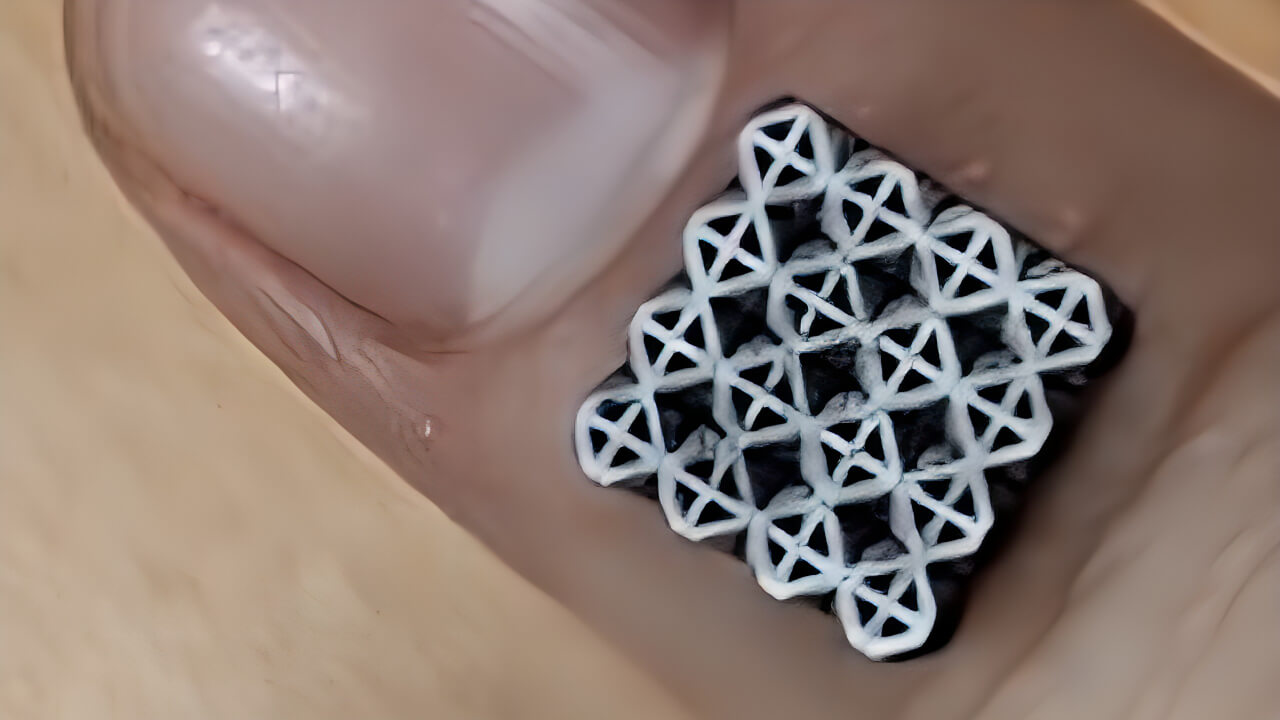
LAPIS stands for Laser Pulse Integration of Sheets. Developed by Nanyang Assistant Professor Lai Chang Quan at NTU’s School of Mechanical and Aerospace Engineering, it is a new approach to metal 3D printing that replaces the metal powder used in conventional systems with metal sheets. Layers of sheet are welded and cut by laser as they are stacked, producing dense, high-precision metal parts. The technology has been spun out into LAPIS Innovations Pte Ltd, with commercial machines expected to be available globally before the end of 2026.

The Problem That Conventional Metal 3D Printing Could Not Solve
Metal additive manufacturing has long promised to reshape the production of complex components — but in practice, the technology has remained constrained by its core material: metal powder. Powder is toxic, potentially flammable, and produces brittle parts if not handled correctly.
These limitations become most apparent when engineers attempt to fabricate closed-cell lattice structures — components with fully sealed internal cavities. No powder-based system can reliably produce them, because the powder used to build the surrounding structure becomes permanently trapped inside. Engineers have historically worked around this by machining parts in two halves and bonding them together, a process that introduces inconsistency and limits design freedom.
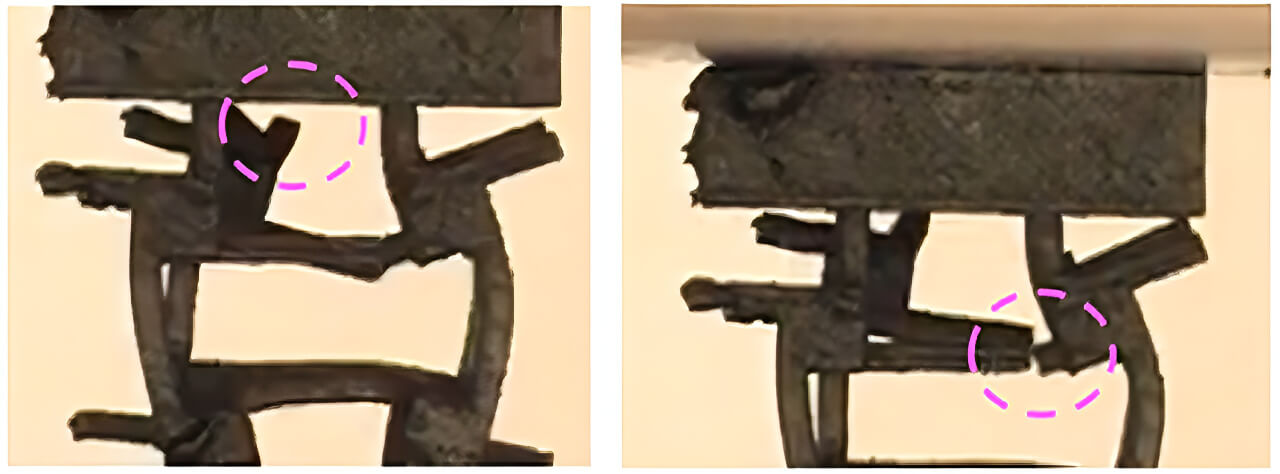
It was exactly this class of problem that led Prof Lai to develop LAPIS. The idea came to him during a vaccination appointment in 2021: replace metal powder with metal sheets entirely. “I was so excited I called up my collaborator immediately,” he recalls. “I must have looked absolutely ridiculous, with one hand holding the cotton swab on the injection site and the other hand holding the phone to my ear.”
How Sheet-Based Metal 3D Printing Changes Everything
LAPIS uses patterned metal sheets as its feedstock material rather than loose powder. The shift is straightforward in concept but far-reaching in consequence.
Early results exceeded expectations. Stainless steel parts produced using the sheet-based method came out one and a half times stronger than conventionally manufactured equivalents. More significantly, the team found that LAPIS could process titanium alloy in ambient air — without the sealed argon gas environments that powder-based systems require. Because LAPIS uses solid sheets rather than fine reactive particles, the combustion risk associated with titanium powder simply does not arise, removing both the safety concern and the associated infrastructure cost.
Sheet-based feedstock also addresses one of metal additive manufacturing’s quieter problems: part-to-part consistency. In powder-based systems, variations in particle size, packing density, and surface chemistry introduce variability between builds — a serious challenge for industries where component performance must be predictable. With LAPIS, material properties are stable and builds are highly reproducible across separate runs.
Prof Lai frames the cumulative effect with a familiar analogy. “Around 40 years ago, we had to send documents to a printing shop and wait for delivery. With the advent of office printers, everyone can generate their own documents instantly, reliably and in the comfort of their workplace. LAPIS does exactly that for engineering parts. Design today, get your part tomorrow, in your own shopfloor.”
From Singapore Lab to the RAPID+TCT 2026 Global Stage
The timing of NTU’s April 16 feature was no coincidence. RAPID+TCT 2026 — held April 13–16 in Boston — brought together the global additive manufacturing community for the year’s most prominent industry event. The TCT Awards ceremony, held on April 14, shortlisted LAPIS in the Hardware category alongside entries from General Motors, NASA, and other major industrial organisations.
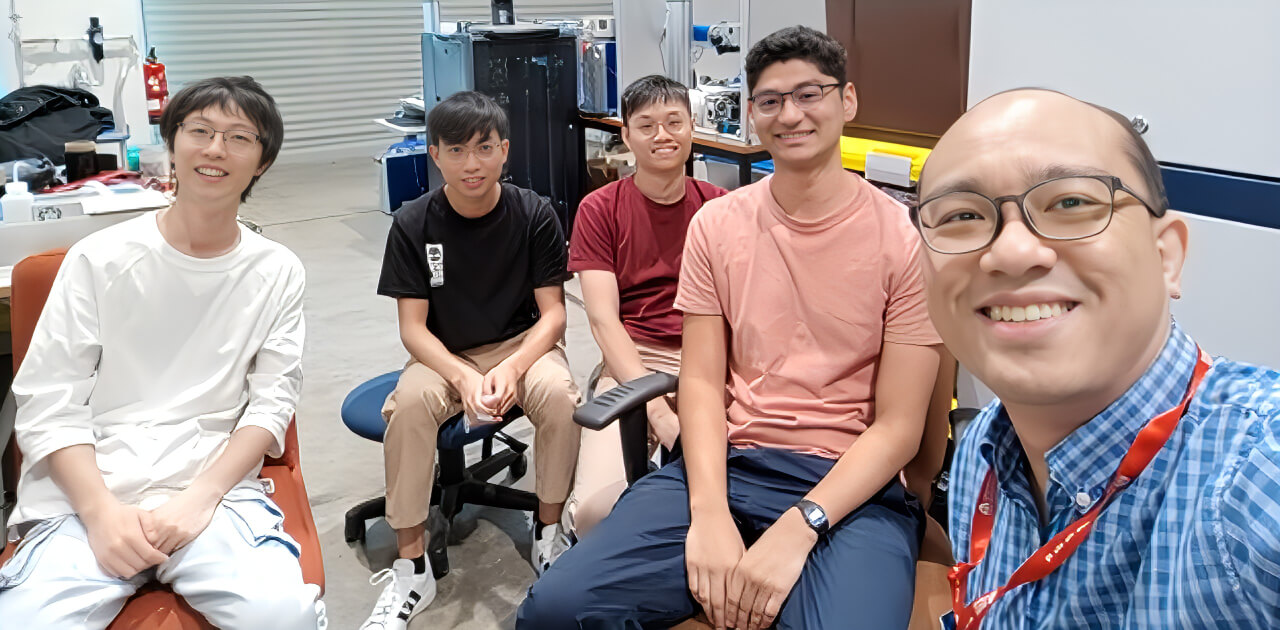
The collaborators LAPIS has attracted reflect the breadth of its potential: Tan Tock Seng Hospital and the National Dental Centre Singapore for biomedical applications; TU Munich and TU Dublin for international academic partnerships; Infineon and Foxconn for manufacturing; and Zeda Inc., GCTG, and Autodesk in the United States. Commercial machines are expected globally before the end of 2026 through LAPIS Innovations Pte Ltd, with a pipeline of early adopters already forming.
AM Insight Asia Perspective
The most important innovation in LAPIS came before any technical specification. “Does it have to be powder?” — for those working daily within an existing method, questioning that method’s very premise is genuinely difficult. The entire workflow is built upon it. That Prof Lai’s team was able to pose that question at all is arguably the project’s greatest achievement.
Singapore has made high-value additive manufacturing a clear national priority — spanning aerospace, medical, marine, defence, construction, and food technology — with NAMIC at the centre of that strategy. Crucially, Singapore has recognised that realising this strategy depends above all on people: attracting, developing, and providing a stage for the talent capable of asking questions that others have stopped asking. LAPIS is one concrete proof that this approach is working.