Where Maker Culture Meets the Heart of AM
Japan RepRap Festival 2026 (JRRF 2026) was held on May 30–31 at Tokyo Ryutsu Center (TRC) Hall E, bringing together over 112 exhibitor booths and more than 52 sponsor companies. From scratch-built machines to functional art, the event concentrated an extraordinary range of making energy under one roof. For AM Insight Asia, a media outlet focused on industrial additive manufacturing in Asia, the atmosphere was genuinely stimulating. We could not cover every booth, but here are the 12 exhibits that sparked our curiosity most, presented with sincere respect.
BOKSAM 3DP (Prusato Village)
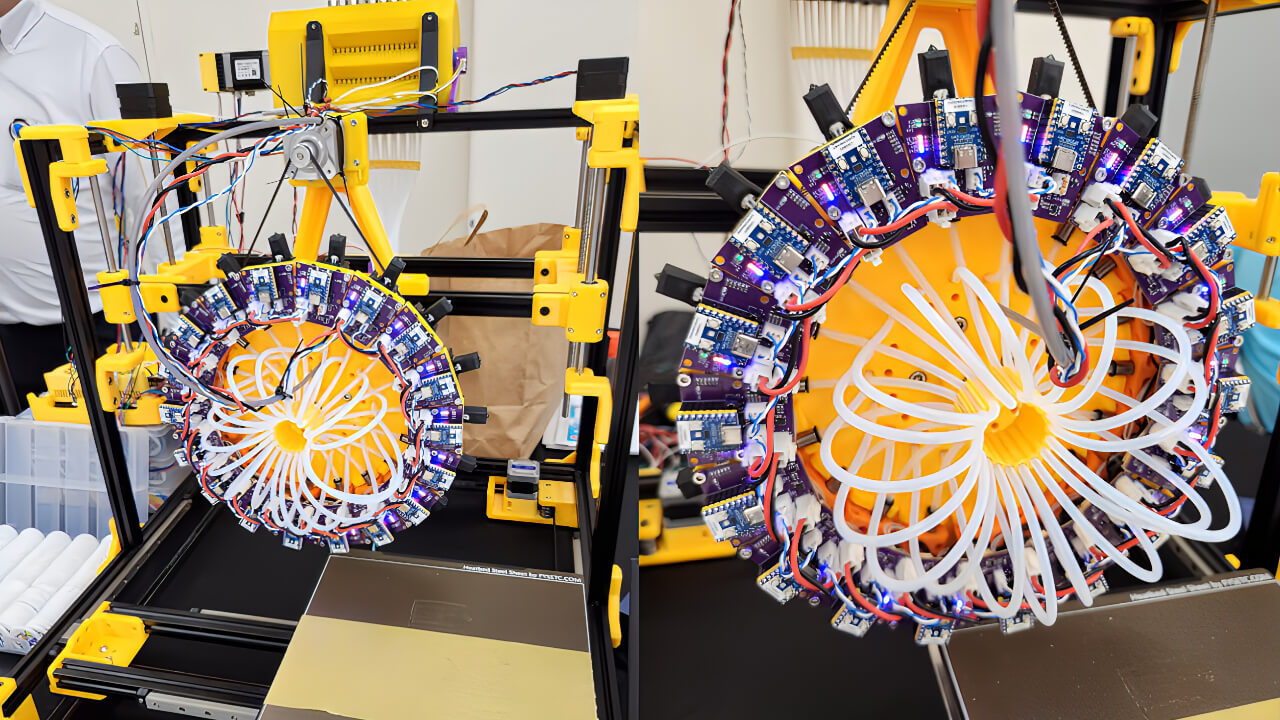
Inside the “Prusato Village” community area hosted by Mataro, one machine commanded everyone’s attention. BOKSAM 3DP, an unprecedented 18-color rotating tool-changer 3D printer, is a co-development by four of Japan’s top scratch-builders: Mataro (@mataro37), Oosaka (@3dp_oosaka), Kumatechimaru (@Km0107_39), and Hiro (@hiroloquy). Its defining feature is a gatling-gun-style mechanism in which 18 print heads rotate in a circle to switch between colors, giving the machine a Ferris wheel-like silhouette at first glance. By swapping the entire tool head physically, multi-color printing errors are dramatically reduced. The custom control board is also an original design. This is RepRap experimental spirit at its absolute peak: a machine nobody has ever seen before.
HEN3DRIK – JanTec
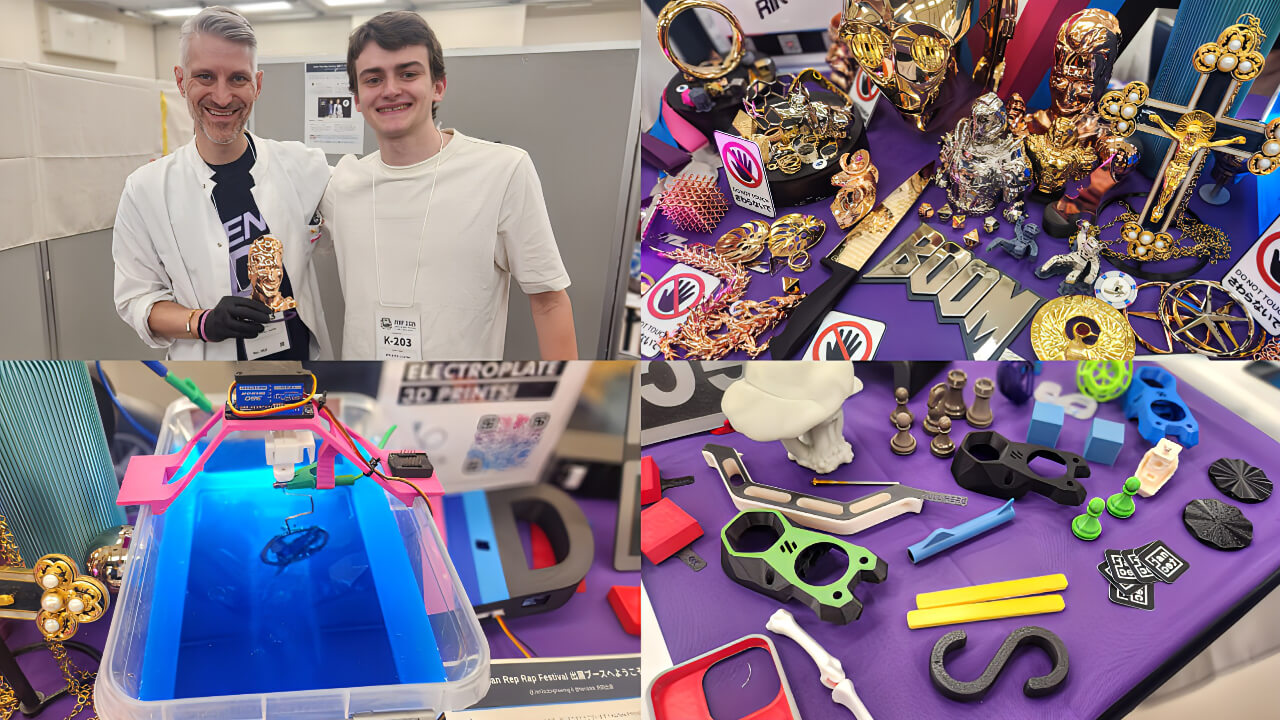
A joint booth by HEN3DRIK (@hen3drik) and JanTec (@jan_tec), both making their first appearance in Japan from Germany. The crowd-stopper was HEN3DRIK’s electroplating work: complex resin prints coated to a finish so perfectly metallic that nothing about them suggests plastic. JanTec showcased rigorous mechanical testing using a custom-built testing rig, alongside a proprietary multi-material blending technique that suppresses warping to an extreme degree. One side pushing the limits of post-processing finish; the other pushing the limits of material science before the first layer even prints. The borderline obsessive dedication of these international visitors left a strong impression.
USAGI Craft
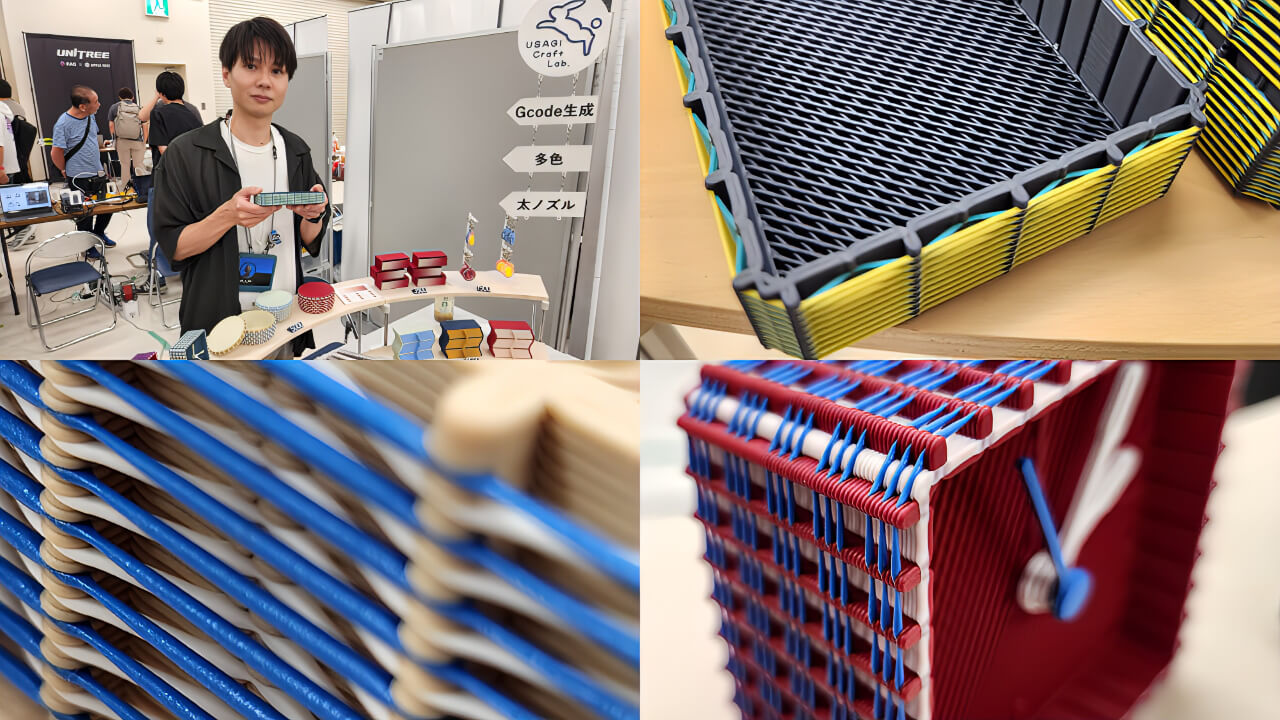
Designer ak_t_ka (@ak_t_ka) runs “USAGI Craft Lab.” and brought a rare elegance to a hall otherwise filled with heavy, exposed-frame machines. A clock shaped as though a single line had been drawn through the air. A tray expressing organic, pillowy texture. Each piece carries the completeness of a product already on sale. Rather than hiding layer lines, ak_t_ka elevates them into a calculated geometric beauty through original algorithms. This is digital fabrication opening a door to something genuinely new.
3D Printing for Screen Printing
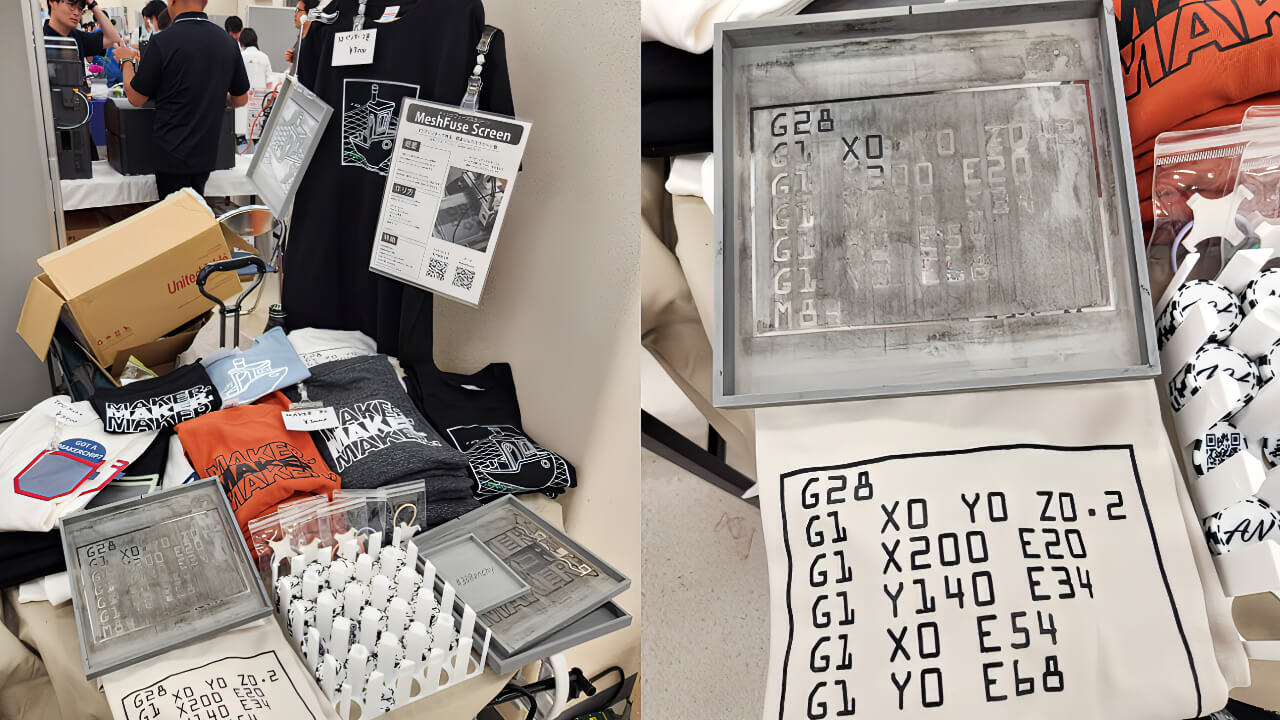
Tailor Ann (@yousaishi) presented “MeshFuse Screen.” Silk-screen platemaking normally requires specialized equipment including photo-emulsion coating and UV exposure. This method overturns that entirely, producing plates using only an FDM printer, no photo-emulsion required. The process pauses mid-print to insert a screen mesh, then resumes, fusing the mesh into the resin with the nozzle’s own heat. The idea of embedding foreign material during a print has precedents abroad, but Ann’s contribution is lifting that concept into a practical, repeatable platemaking system. The booth displayed finished plates and printed T-shirts, a textbook example of hacking a 3D printer into a factory production jig.
Ikebana Exhibition: Enjoy Flowers in 3D Printed Vases
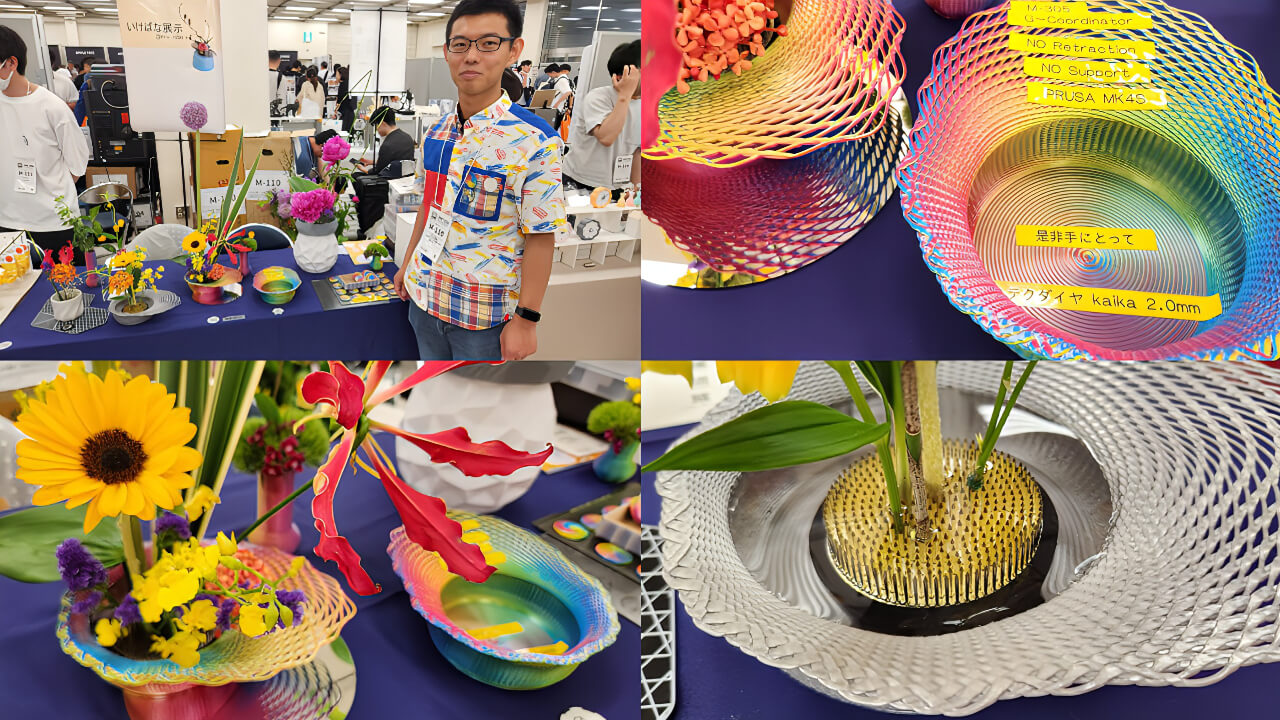
miu_robo (@miu_robo) brought something quietly striking to a hall full of mechanical noise: actual ikebana arrangements displayed in water-filled, 3D-printed vases. Standard FDM waterproofing relies on multiple thick perimeter shells, but miu_robo instead uses a single-stroke toolpath approach, printing the wall as one continuous line. The setting itself is straightforward; the execution is not. Preventing leaks through a wall just one filament wide demands obsessive control of temperature and extrusion rate. A sharp integration of digital fabrication and natural beauty, taken all the way to a functional everyday object.
Shibucho Technical Laboratory
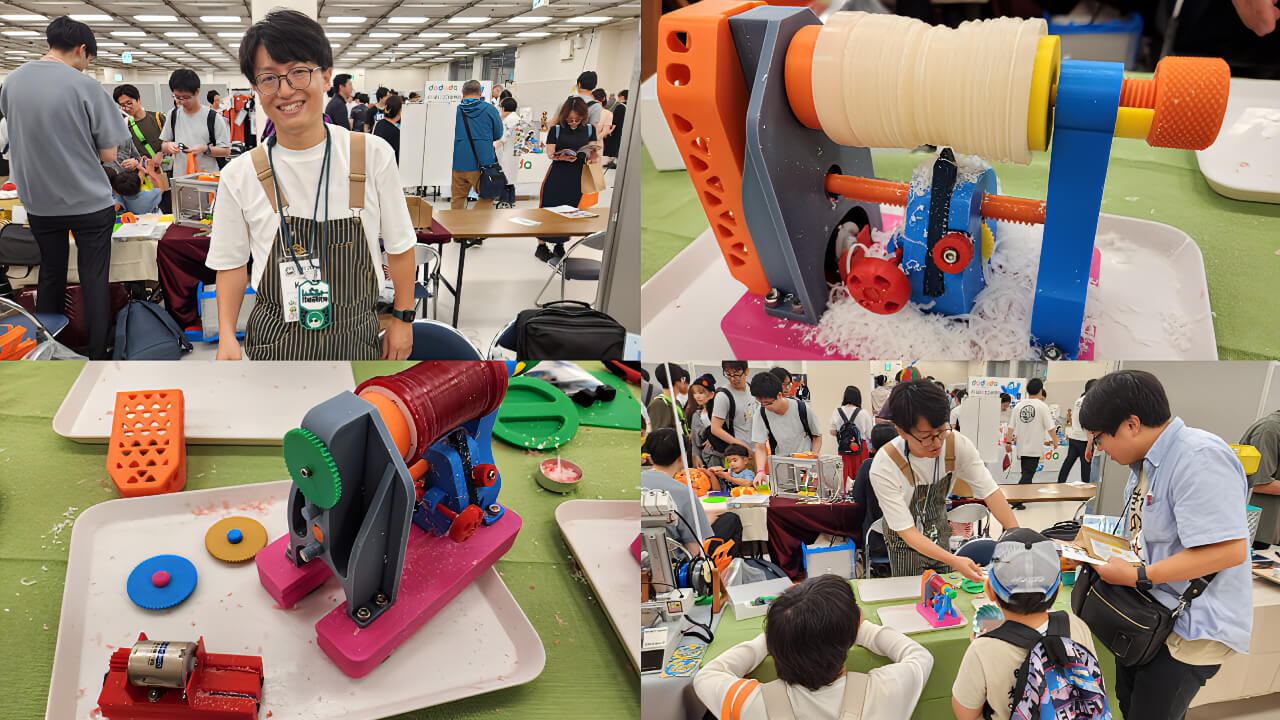
Engineer Shibucho (@sibucho_labo) presented “Omocha no Senban” (Toy Lathe): a miniature lathe kit printed on an FDM machine, used to actually shave candles in live demonstrations. The most compelling aspect is the structural irony. A 3D printer, the quintessential additive manufacturing tool, is used to build a lathe, one of the oldest subtractive manufacturing tools, so that visitors can intuitively grasp how subtractive machining works. Digital technology as a gateway into mechanical engineering fundamentals. This is STEAM education in its ideal form, and a genuinely fresh approach to cross-domain understanding.
Sabre Design
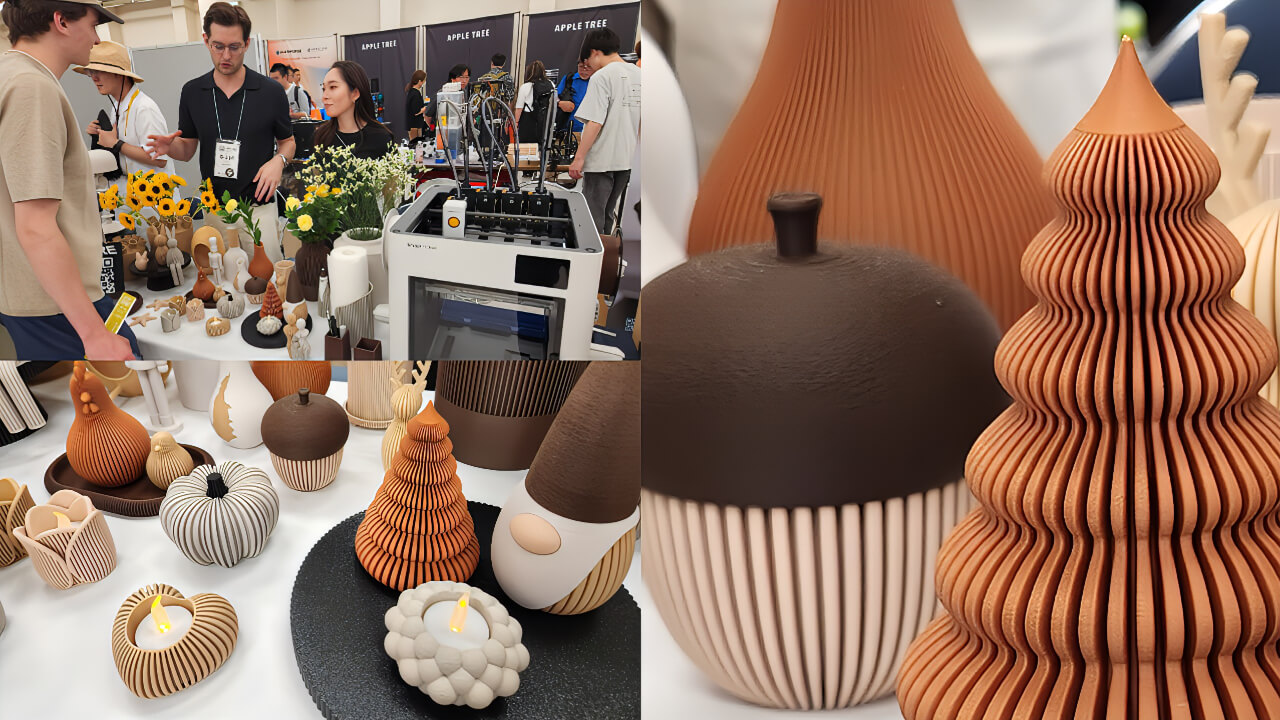
Sabre Design (@SabreDesign) is a Dutch 3D design brand with a strong following on MakerWorld. Going beyond the hobbyist space, the work appears Nordic minimalist at first glance, but the designs are intentionally conceived in a “Japandi” style, blending Scandinavian aesthetics with Japanese traditional sensibility. The fine vertical slit structures and the quiet, wabi-sabi color palette are not achieved through any post-print finishing. They are expressed entirely through data design that fully accounts for the characteristics of FDM printing. A powerful reminder that product design capable of crossing oceans and resonating with Japanese audiences is both possible and meaningful.
NibMachineTools
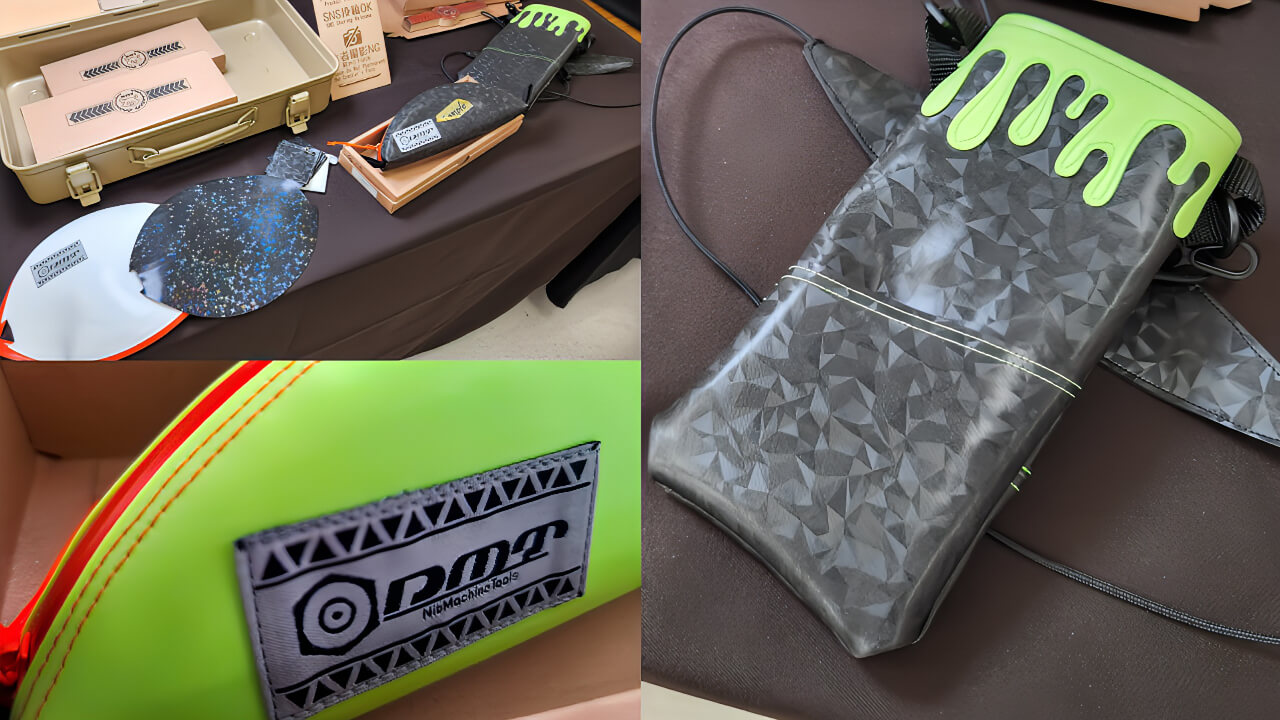
Tsukasa Nibusaka (@nibsakat) presented the “TPU Air Gadget Pouch.” Rather than the typical supplementary use of 3D printing in textile work (such as printing templates to cut fabric), this project uses foamed TPU filament to directly generate the fabric itself. The resulting flexible, lightweight TPU sheets are then sewn together by hand on a sewing machine to produce a functional pouch. Reframing a 3D printer as a new kind of textile production machine, rather than a structure-making tool, represents a high degree of originality and a craft sensibility all its own.
CrossLayer
Tamu (@tamutamu3D) developed “G-coordinator,” an open-source tool that generates G-code directly. Instead of going through CAD software or a slicer, users write Python code to design the nozzle’s movement path. The booth displayed a series of astonishing geometric prints that drew a steady crowd. The tool was also visibly in use at several other booths across the venue, adopted as-is or modified. Tamu released it free of charge as a way of giving back to a community that supported his own making journey. Sharing knowledge to expand the possibilities of the whole: the exact core of the RepRap spirit.
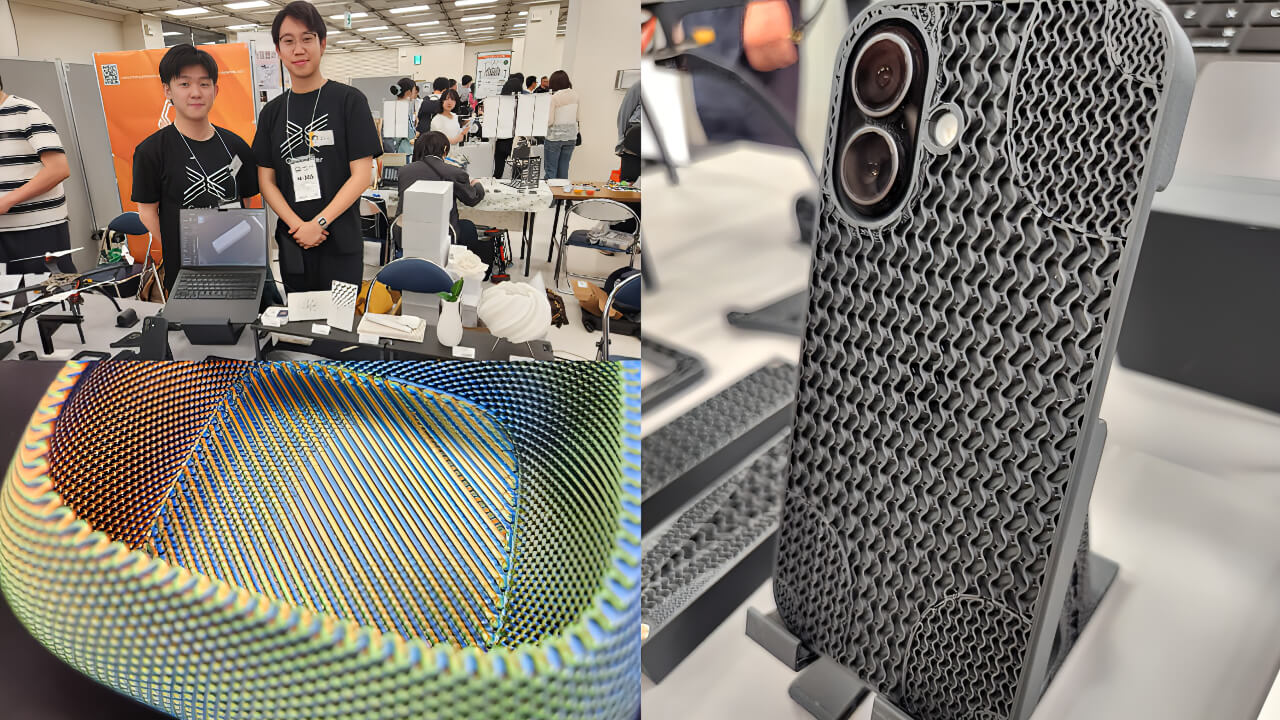
Kazuya Shibata
Inventor Kazuya Shibata (@seevua) works under the theme “inventions that are barely useful.” The booth featured a machine that takes over three minutes to cleanly split a pair of disposable chopsticks, and a face shield that prevents phone-drop accidents while scrolling in bed. These look like punchlines at first, but each one contains real engineering: 3D-printed structures, hardware, and software, all functioning together to make something that actually works. Channeling extraordinary engineering talent into entertainment that makes anyone laugh immediately, with an overwhelming passion for making poured into every detail. An outstanding exhibit, and Maker spirit at its most committed.
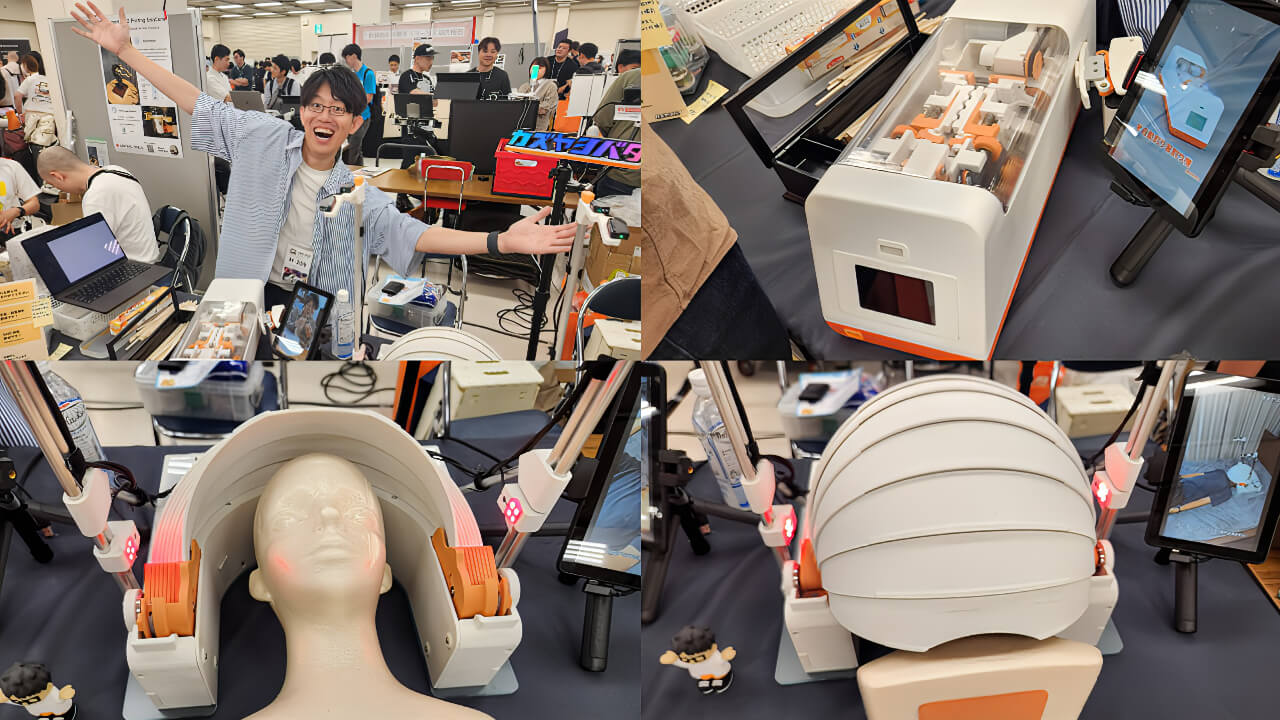
Koikelab
Koikelab (@KJUTAbTezb0iSaf) works under the theme “making big things with a small printer.” The approach: design modular components that fit within a home-use printer’s build volume, then assemble them into furniture. The chair on display held up comfortably under a seated visitor’s weight. Each module offers high combinatorial flexibility, allowing fine adjustment of size and height to match individual body type or preference. The potential market for that kind of personalization is real. With industrial-grade material, this would be production-ready. A clean demonstration of overcoming print-size constraints through design, pointing toward a practical future for personalized furniture.
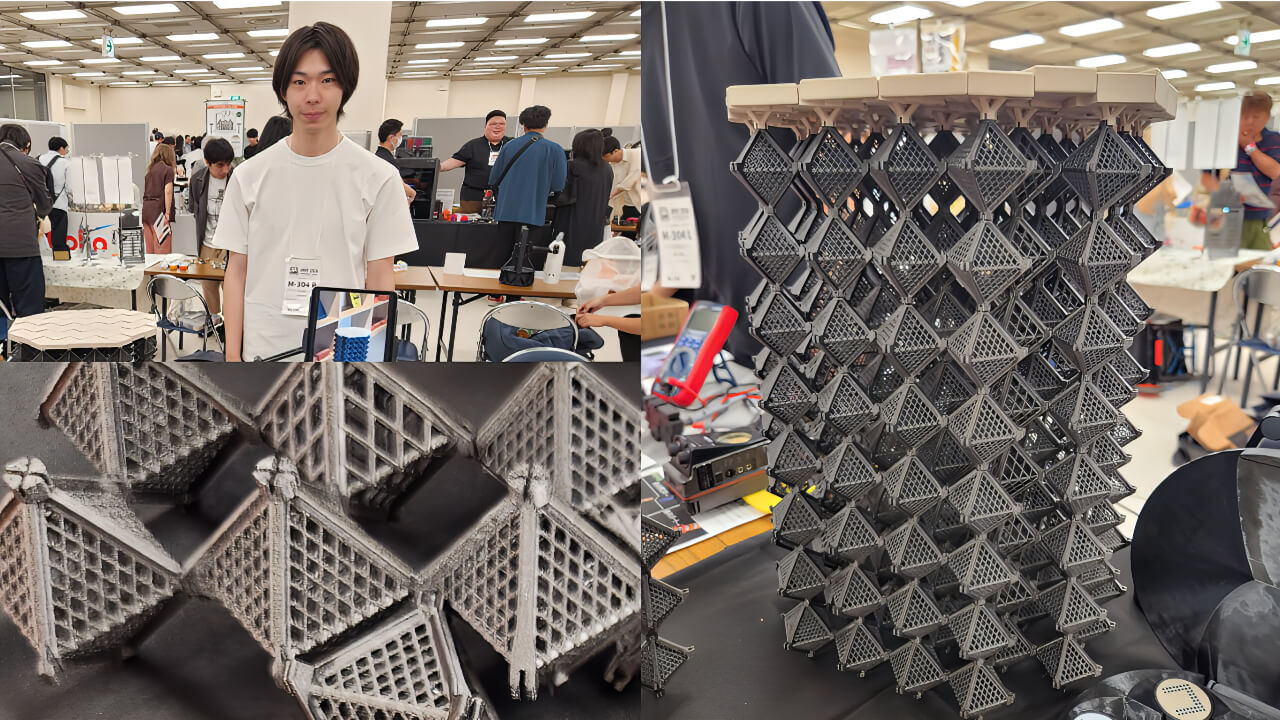
Penhori
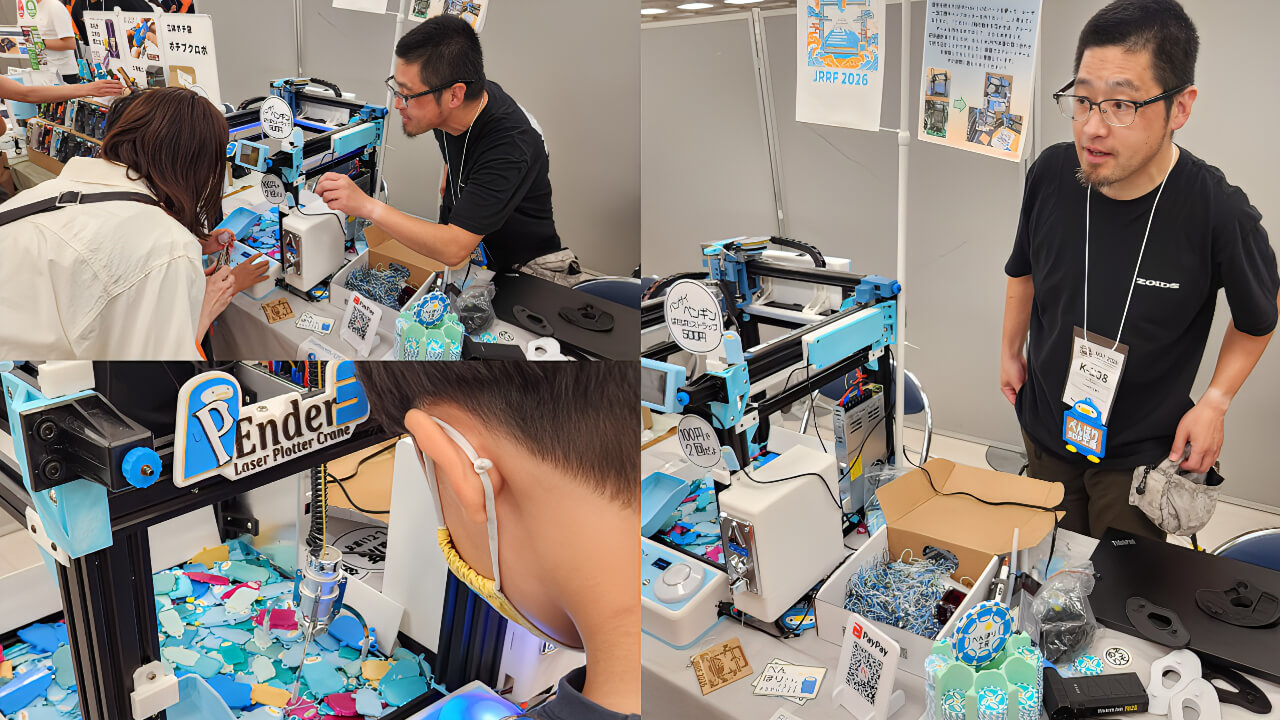
Known for developing products such as a tilted trackball stand, Penhori (@PENHOLI1) presented a live demonstration of a “crane game” built by radically modifying the mechanical structure of a 3D printer. With children among the visitors, the choice of crane game format appears to reflect a deliberate desire to entertain. The precise X/Y/Z-axis movement control system originally designed for layering resin has been repurposed entirely into a game cabinet, showcasing an extraordinary sense of play and a deep mastery of hardware modification. It overturns the fixed notion of a 3D printer as simply “a tool that outputs objects,” and his desire to delight visitors comes through in every aspect of the exhibit. A technically astonishing display that expands the hardware potential of FDM machines through a uniquely original perspective.
AM Insight Asia Perspective
In industrial AM, efficiency and repeatability come first. That is correct. But walking through JRRF, you are reminded of something fundamental: pure curiosity and the willingness to experiment are what pushed the limits of this technology in the first place.
None of the 11 booths featured here emerged from a business context. That is precisely why they remind those of us on the industrial side of the question that started everything: why is this technology so interesting?
AM Insight Asia exists to circulate AM information from Asia to a global audience, and to generate exchange between businesses, technologies, and people. Makers from Japan and abroad pushing each other, learning from each other, that is what drives AM forward. JRRF is one of the places where that happens.
Source: