Where Individual Makers Outshone the Manufacturers, and Diversity Drew the Crowd
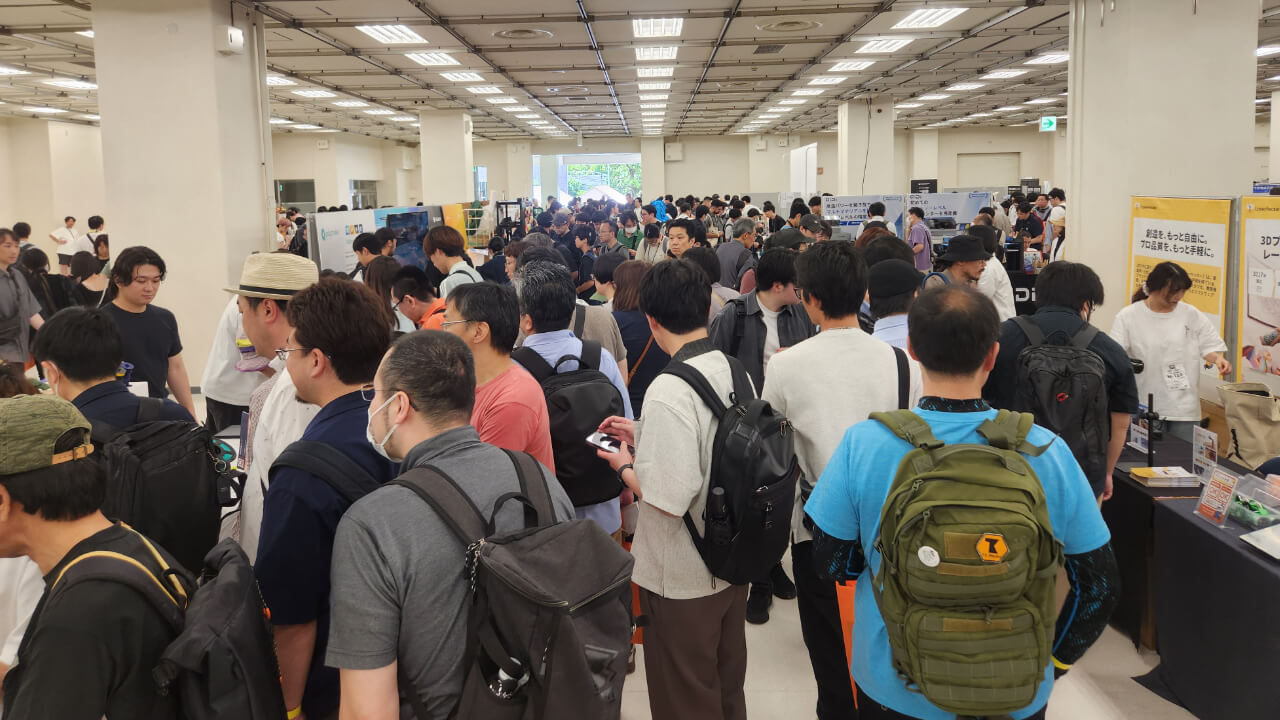
JRRF 2025 attracted over 1,500 attendees and made a strong impression as a consumer 3D printing event in Japan. The following year, JRRF 2026 doubled the venue size, welcomed 113 booths from individuals, non-profit organizations, and educational institutions, along with 55 sponsor companies. Over two days, ticket-based attendance reached 3,309, with a cumulative total of 4,713. Including children, free admissions, and exhibitors, the estimated total came to approximately 5,000. In just one year, the event grew more than threefold. What the author witnessed there went beyond the numbers.
What Was on the Floor
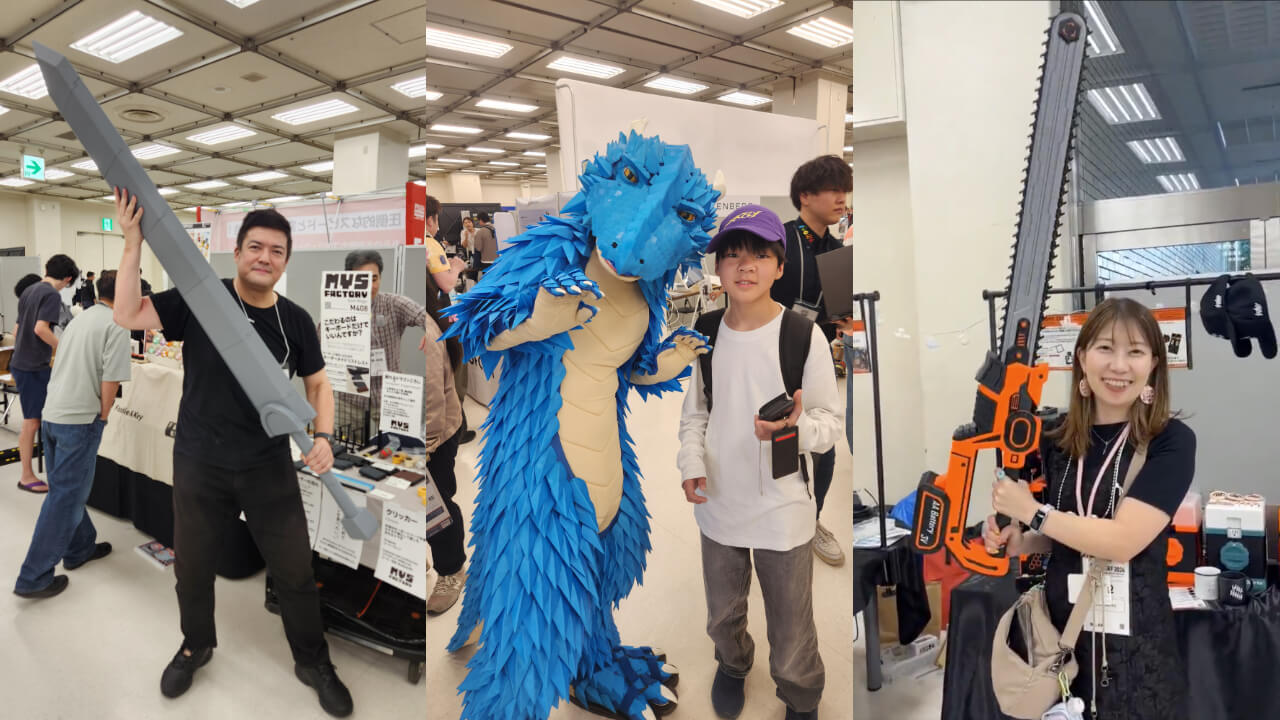
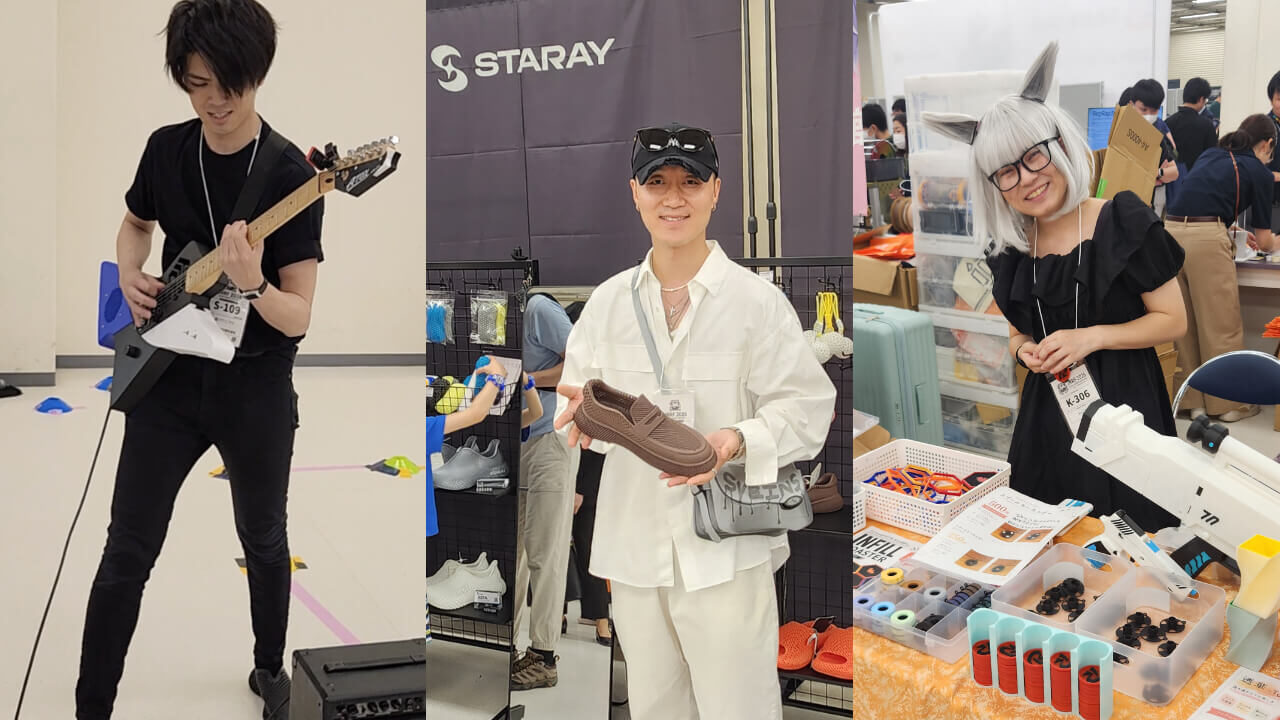
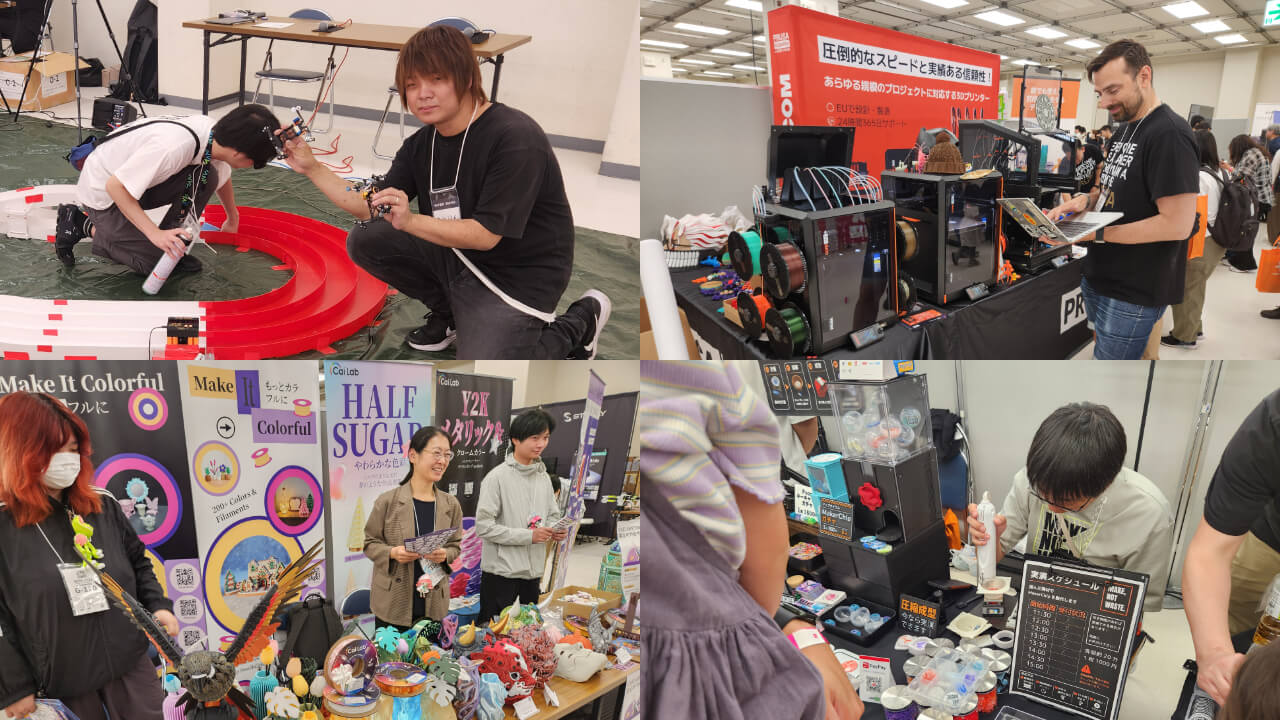
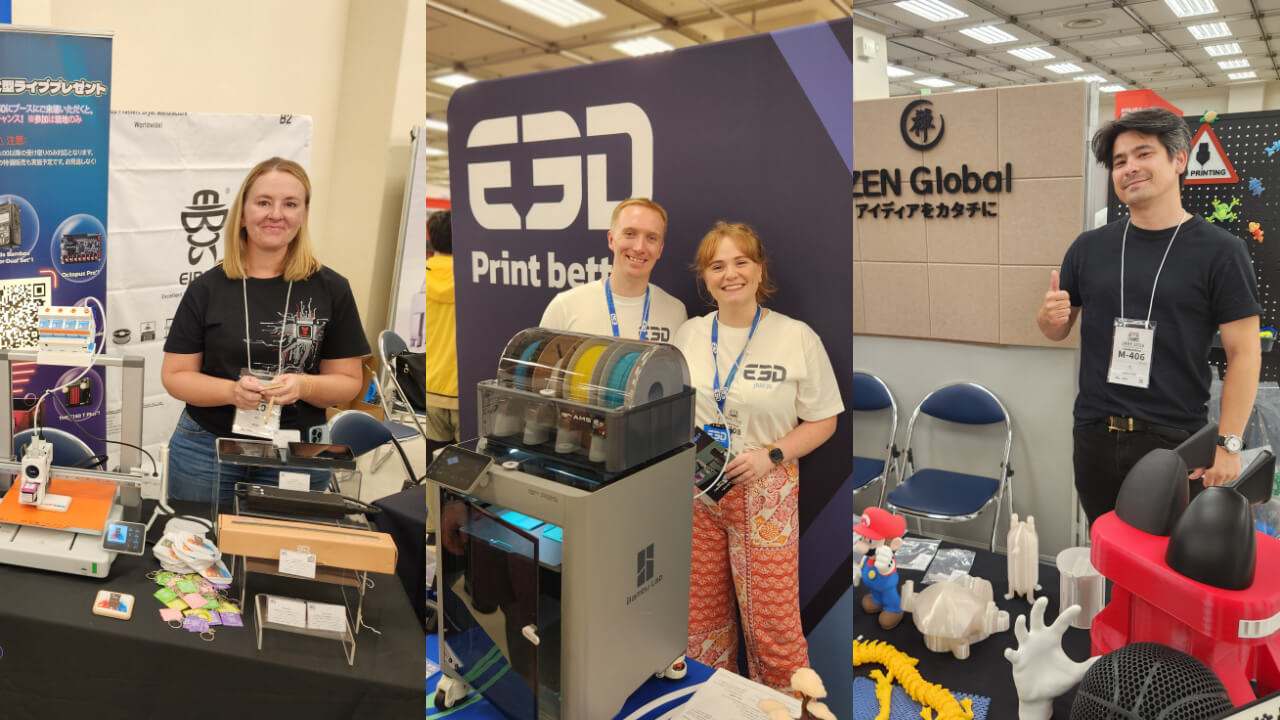
On the first day, more than 100 people were already lined up outside before the venue opened. Inside, visitors found booths displaying cute accessories, heavily modified machines, high-quality interior pieces and furniture, fashion items, hands-on experiences for children, and manufacturers showcasing hardware and materials. At certain times of day, music filled the hall, performed live with an electric guitar and microphone, both 3D printed. A monster costume wandered the floor. The JCJC racing area drew cheers. Visitors carrying enormous swords and chainsaws, also 3D printed, moved through the crowd. The booth of HEN3DRIK x JanTec, joining from overseas, drew a steady crowd. One booth featured a 3D printer sitting inside a giant pudding sculpture. Outside, food trucks lined the entrance area. The venue was packed with energy from opening to close.
Every single thing on that floor shared one common thread: made with a 3D printer. The genres, the purposes, the people, all completely different. But that variety was exactly the point. It was the core of what JRRF 2026 was about.
Why It Reached This Scale
A consumer 3D printing community has existed in Japan for years. But it was a closed world, one that belonged to engineers and enthusiasts. Then Bambu Lab arrived, bringing high-performance printers to a level anyone could use, and the market expanded rapidly. A new market had unmistakably emerged. Yet there was no venue for it. Not an industry trade show like TCT Japan, not a small private meetup, not an informal gathering of hobbyists. There was simply no place where manufacturers, individual makers, and general visitors could all exist on equal footing.
JRRF 2025, held the previous year, was the first attempt to fill that gap. It succeeded, but with only three months of preparation time and a more modest scale, it offered no more than a glimpse of what was possible. In 2026, the organizing body incorporated as a formal association, preparation was thorough, and the venue doubled in size. The energy that had been building released all at once. What had been accumulating like magma finally erupted.
How Diversity Drew the Crowd to JRRF 2026
The reason JRRF 2026 drew nearly 5,000 people was diversity.
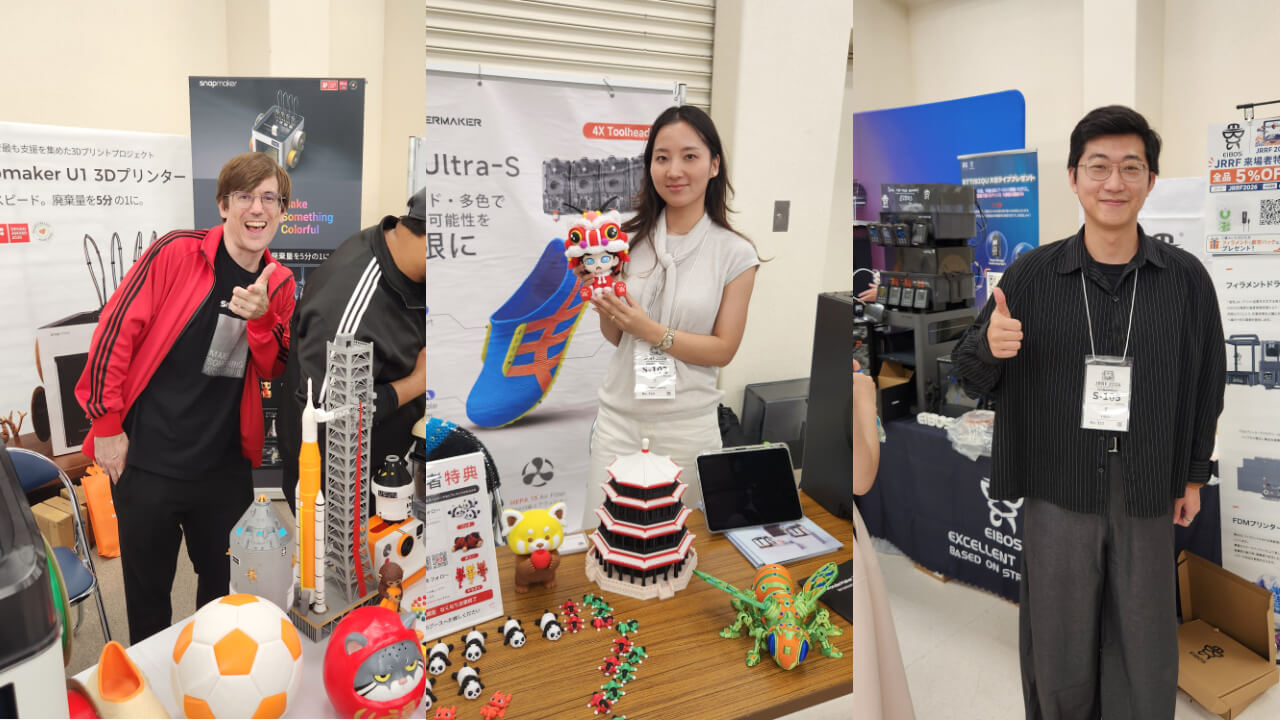
RC enthusiasts had the racing area. Fans of cute things found plenty of charming booths. Furniture, everyday objects, customized machines, design tools. Every visitor found something that spoke directly to them. At a single-genre event, there is always a risk of leaving empty-handed. At JRRF 2026, that risk did not exist.
Beyond that, unexpected discoveries happened at every turn. Someone who came for the RC racing would glance at the furniture booth next door and think, I had no idea you could make something like that. The flow of people itself became content. Even without time to stop and study each booth carefully, watching where the crowds gathered was enough to read the signals of the market. The same was true for exhibitors.
Restricting who can attend would have turned the event into a small, self-congratulatory gathering. By welcoming diversity, JRRF 2026 was able to draw in people who had never been part of the community before.
The Undeniable Presence of Individual Makers
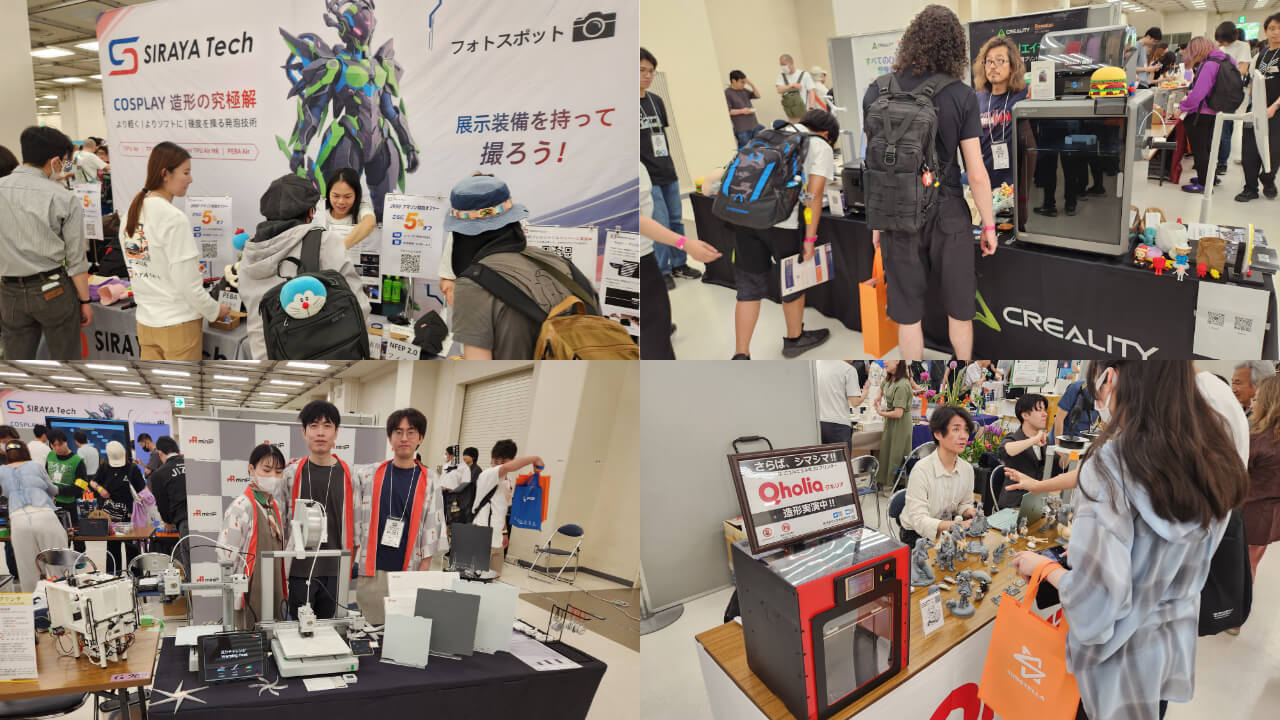
Manufacturer booths did attract visitors. But to the author’s eye, the individual exhibitors completely overshadowed them.
At JRRF 2025, most attendees came from within the community. They were comfortable with spec comparisons and technical discussions. At JRRF 2026, the general public arrived in far greater numbers. People who wanted to see machines in motion, to touch things, to understand what was actually possible.
Individual exhibitors had adapted to that shift. Most manufacturer booths consisted of machines placed on tables, not running, with few printed samples on display. Some had machines operating, but the majority stood still. It is understandable that companies are busy and operating near full capacity. But this was something that could have been anticipated a year in advance. To the author, the attitude of just show up and see what happens was clearly visible.
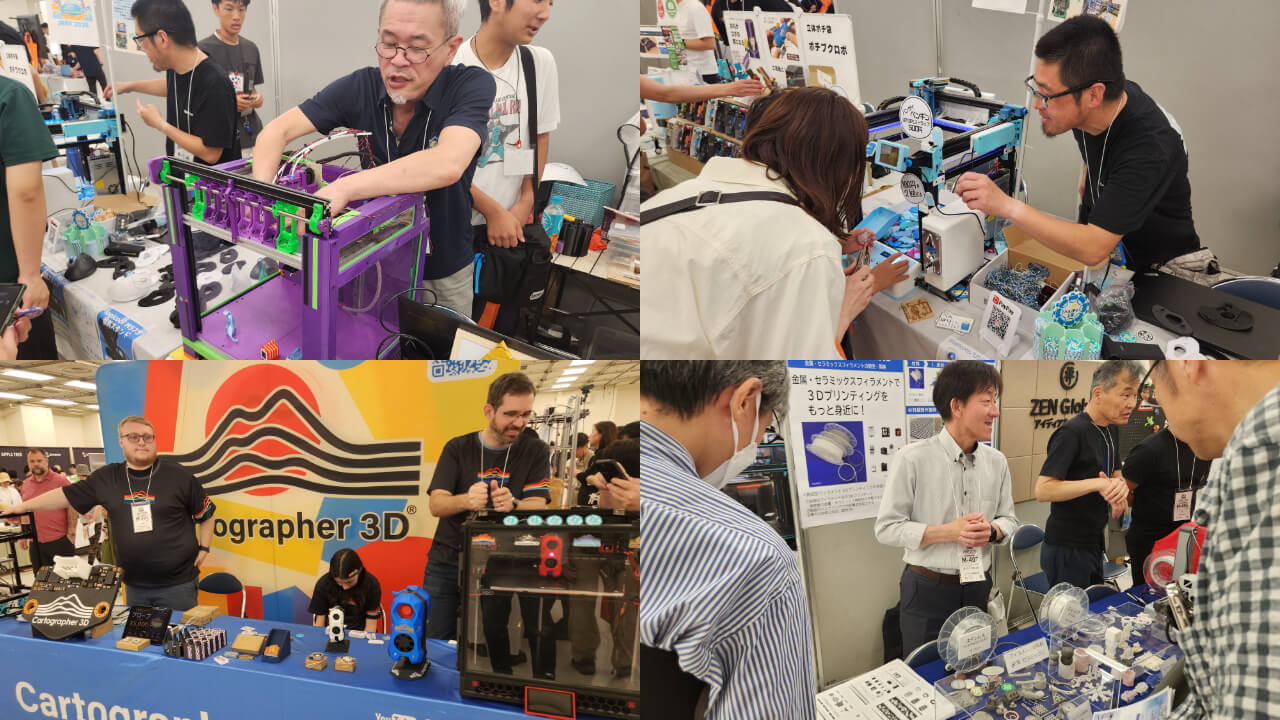
Individual makers were different. They had prepared. They engaged visitors directly. They had thought seriously about what would create a moment of surprise. The ones who understood what visitors were looking for, and delivered it, were not the manufacturers. They were the individuals.
Growing Pains, the Cost and Possibility of Diversity
With many families and young children in attendance, it is true that some exhibitor content drew criticism. The more voices an event tries to accommodate, the more restrictive and closed off it risks becoming. But diversity does not mean anything goes. It should operate within a defined set of standards and boundaries. Without those, diversity is simply chaos.
Ultimately, it is the organizer’s call, and the author believes that is the right approach. If some exhibitors or attendees cannot accept those decisions, attendance may decline. That may look like arrogance, but it is not possible to accommodate everyone. That tension is part of what diversity means.
AM Insight Asia Perspective
Near the end of the second day, as visitors were filing out of the venue, the author overheard a conversation between a father and a child, perhaps six or seven years old.
Child: “That was so fun…”
Father: “You got bored halfway through last year, remember. Are you tired?”
Child: “Not at all.”
JRRF 2025 was considered a success. But hearing this child’s words, it was clear that last year the experience had not fully held. This year at JRRF 2026, the quality of what exhibitors brought to the floor had genuinely improved. Of course, some booths, particularly those exhibiting for the first time, may not have drawn the crowds they had hoped for. But those experiences become fuel for next year. The booths that thrived at JRRF 2026 were built on the lessons learned at JRRF 2025.
JRRF is a community event, but it is also a place where exhibitors develop not just the ability to make things, but the ability to communicate them and present them compellingly. The depth of preparation, the willingness to engage visitors, the thought put into how things are shown. In all of those dimensions, individual makers exceeded the manufacturers, and the numbers did not capture it.
The message for manufacturers is straightforward. Specs and product information reach people through websites and social media. What the venue demands is surprise, and experience. The question is whether manufacturers can think seriously about what will resonate with a diverse audience, and whether they can deliver the kind of moment that stops people in their tracks. That is what determines a manufacturer’s value at a community event.
JRRF 2026 brought nearly 5,000 people through its doors over two days, in only its second year. This event may be recording the moment when consumer 3D printing in Japan begins its shift from something that belongs to engineers, into something that belongs to culture.
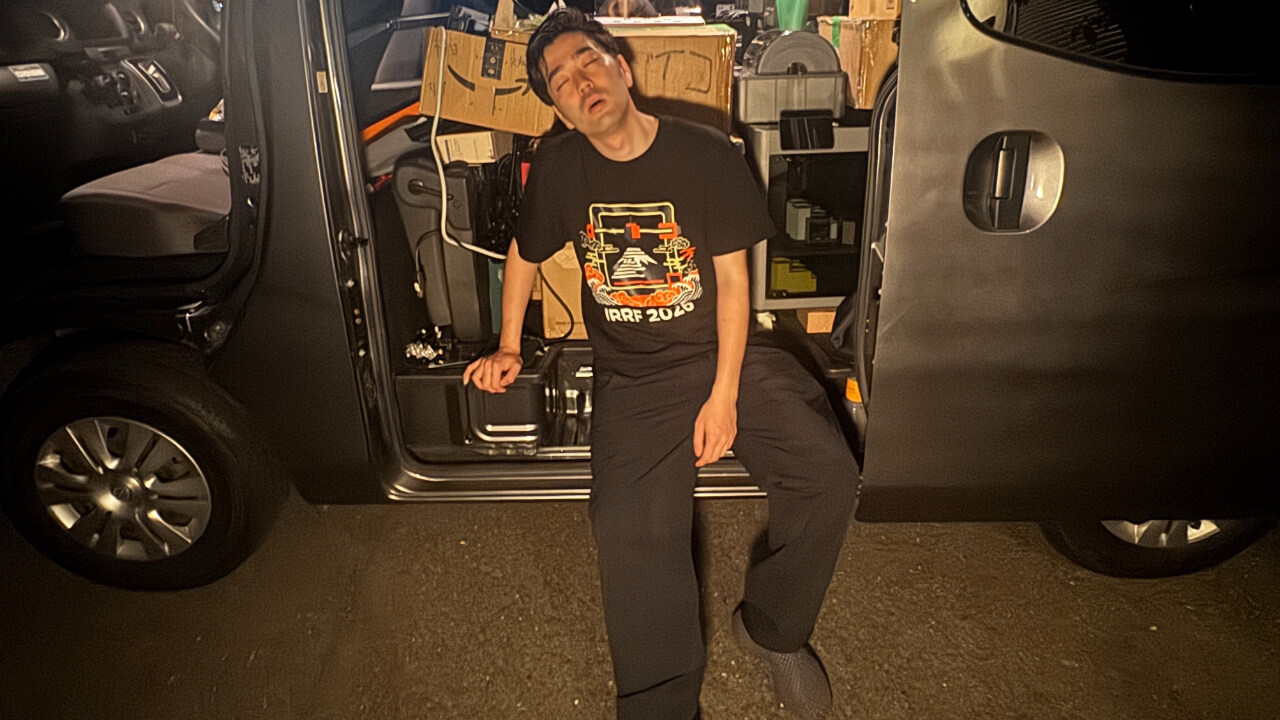
To the organizing team, Yuto Horiuchi, Masaki Nakamura, Yutaro Kimura, Daisuke Sato, and Zoe Wang, and to every volunteer who gave everything to make this happen, thank you.
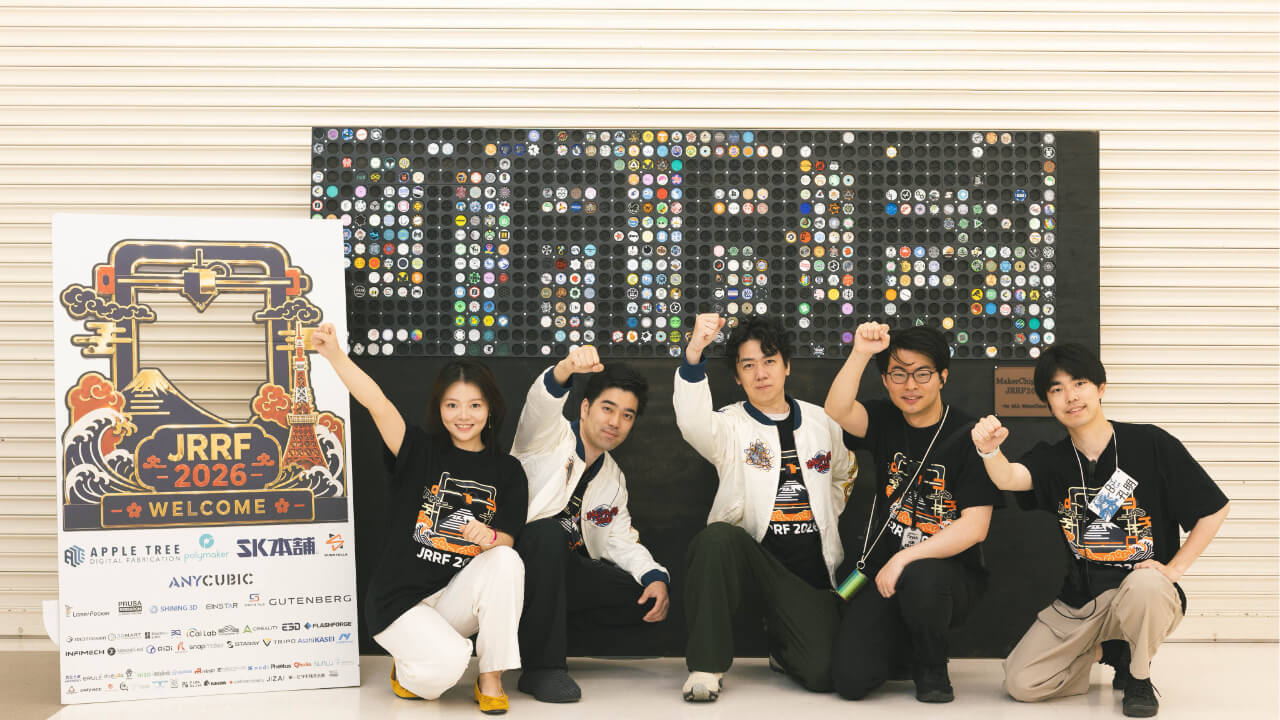
You probably did not have a single moment to enjoy the exhibits yourselves. But your genuine commitment moved Japan’s consumer 3D printing market one step forward, without question. AM Insight Asia will continue to support you in every way we can. For now, good night.