Designs have diversified. But no one on the street is wearing them yet
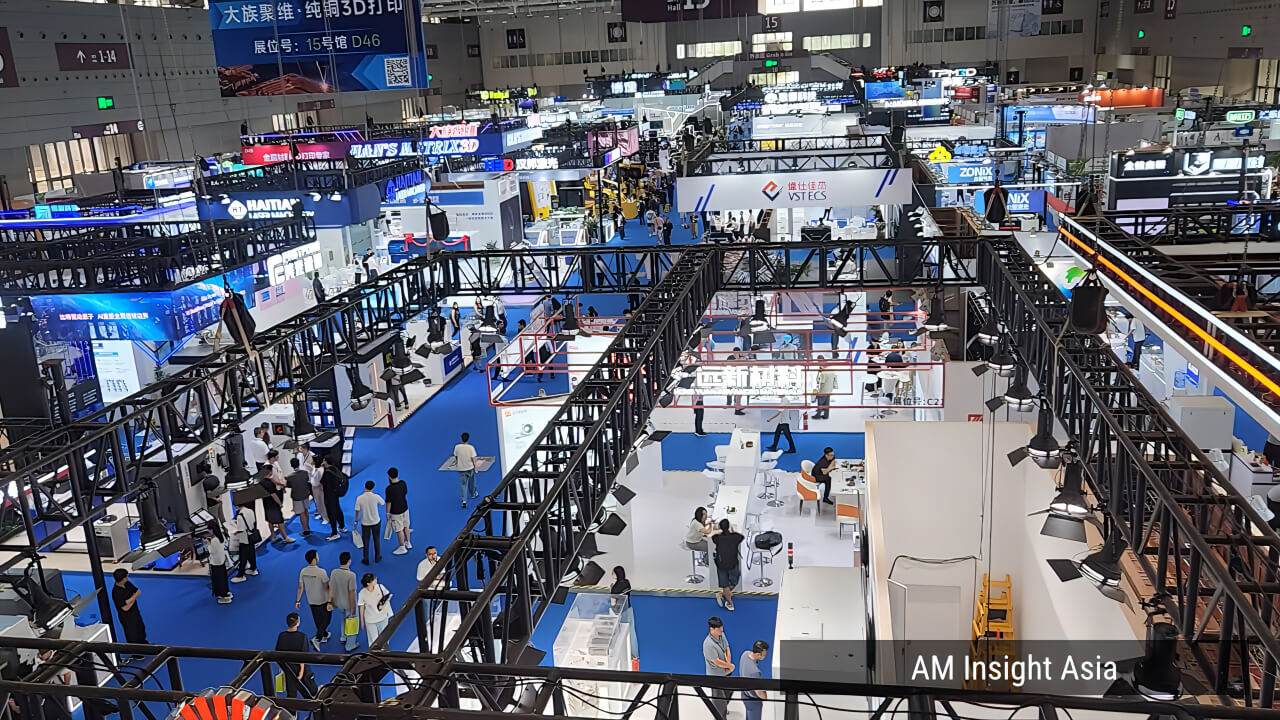
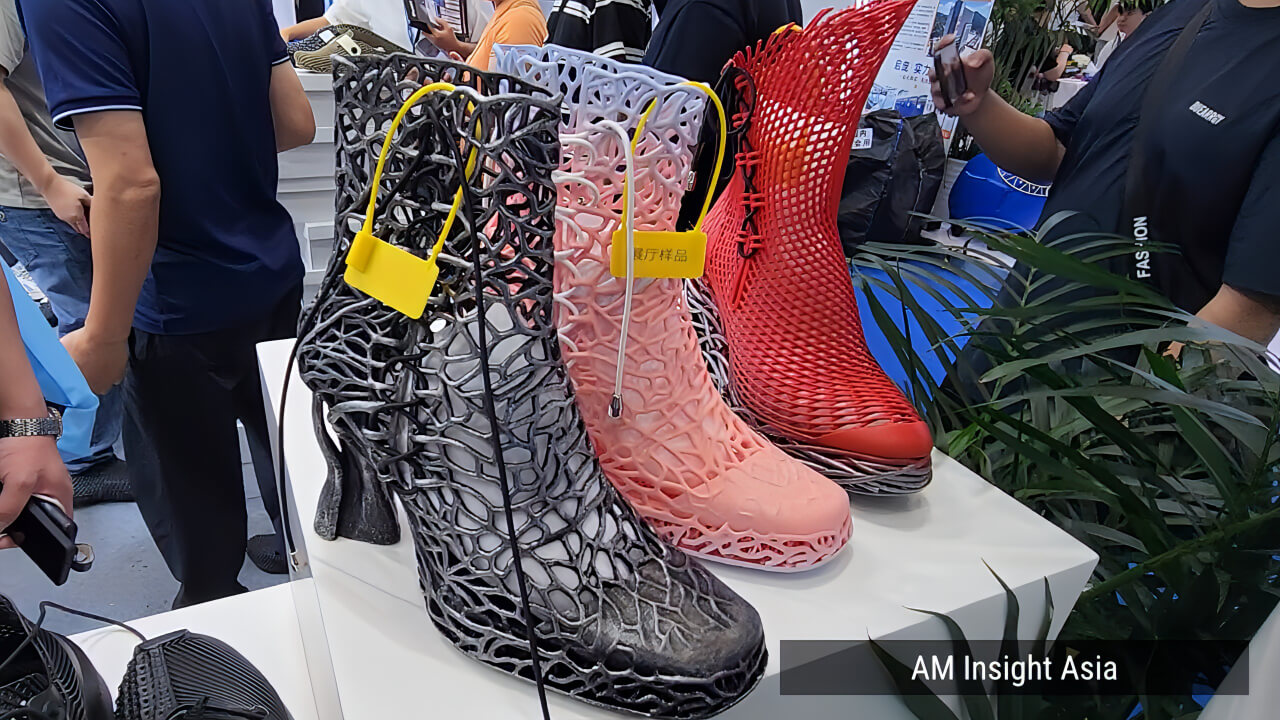
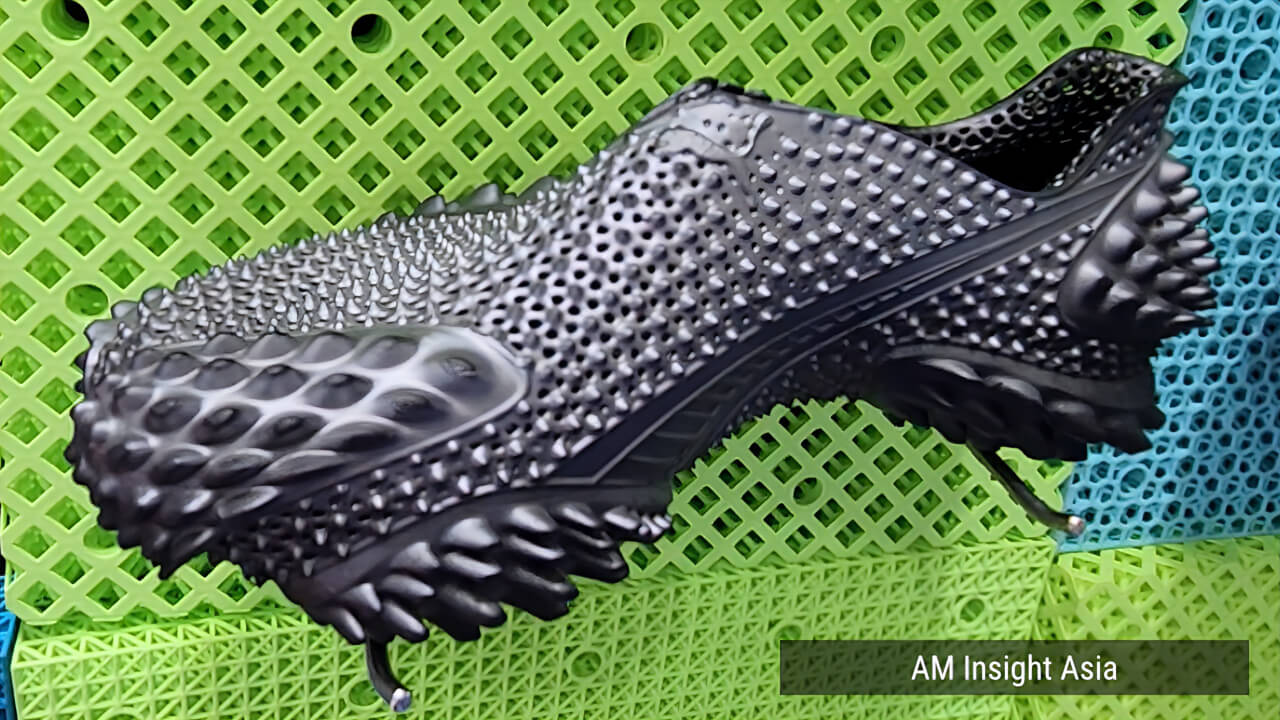
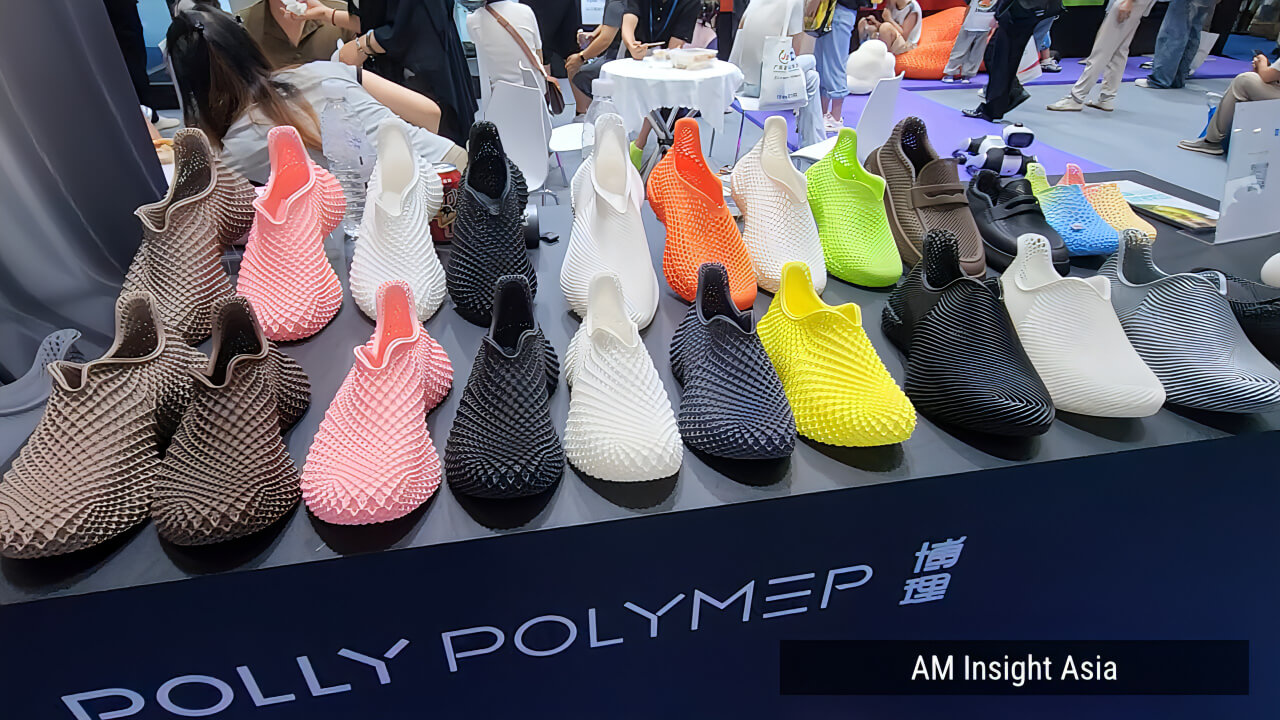
Walking the show floor, the sheer variety of colors and designs on display in 3D printed footwear was striking. Yet behind that variety, exhibits making a concrete case for function were hard to find. Over the course of the show, the author spent about an hour and a half riding Shenzhen’s subway and walked through the city’s shopping districts, and did not encounter a single person wearing 3D printed shoes.
A new award signals how much attention this space is getting
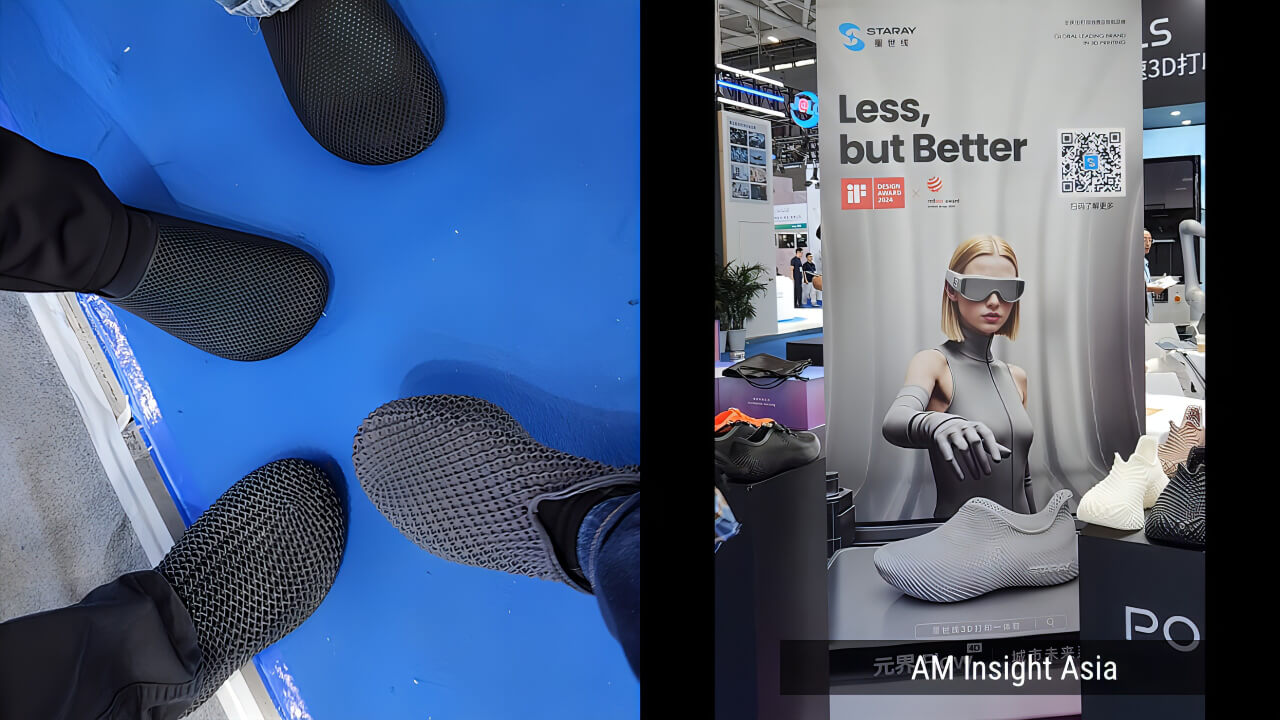
The newly established 1st International 3D Printed Footwear Design Awards drew more than 100 entries, with 30 awards handed out across design, brand, manufacturing equipment and materials categories. The jury was chaired by Nicoline van Enter, founder of Footwearology. Alongside process specific design awards for FDM, DLP/LCD and MJF/SLS, three brand awards were given out: the Pathfinder Award, for the brand that entered this space earliest, went to ANTA, a Chinese sportswear giant and the largest shareholder of Amer Sports, whose brands include Arc’teryx and Salomon; the Trusted Choice Award, for the most popular 3D printed shoe of the year, went to STARAY; and the Rising Star Award, for the most promising emerging brand, went to CALLNAK.
Booths that filled the floor
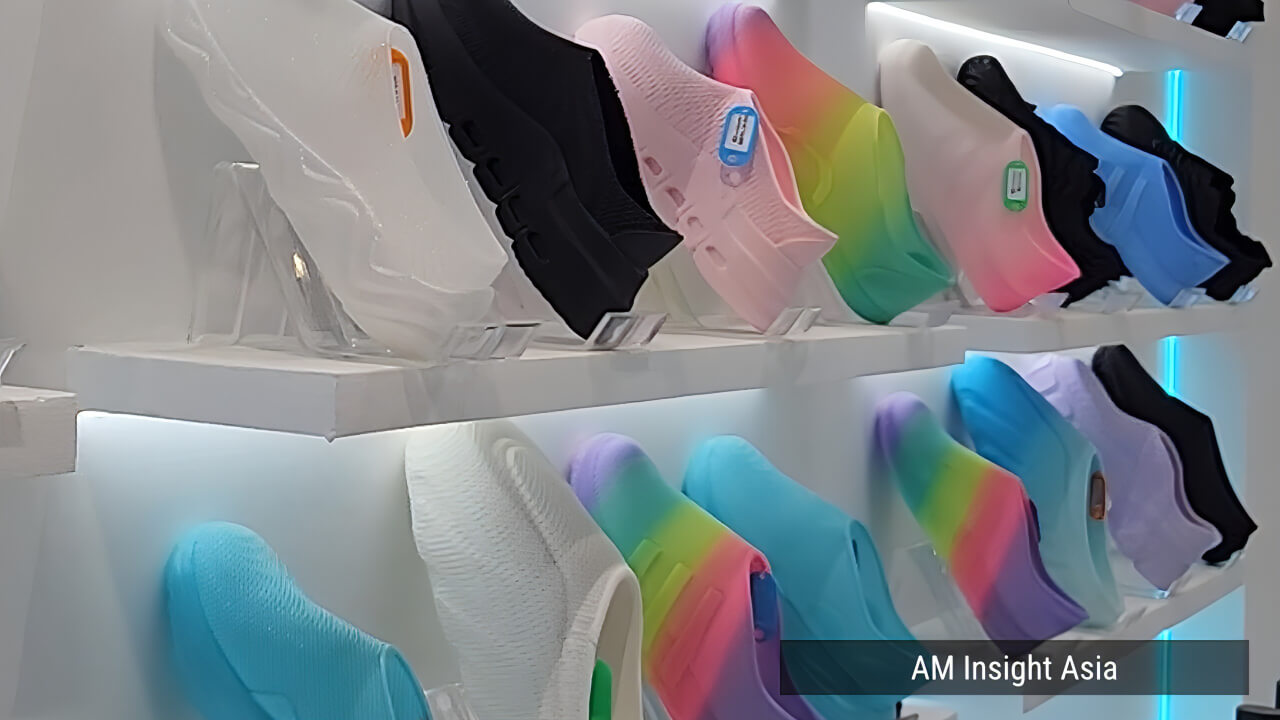
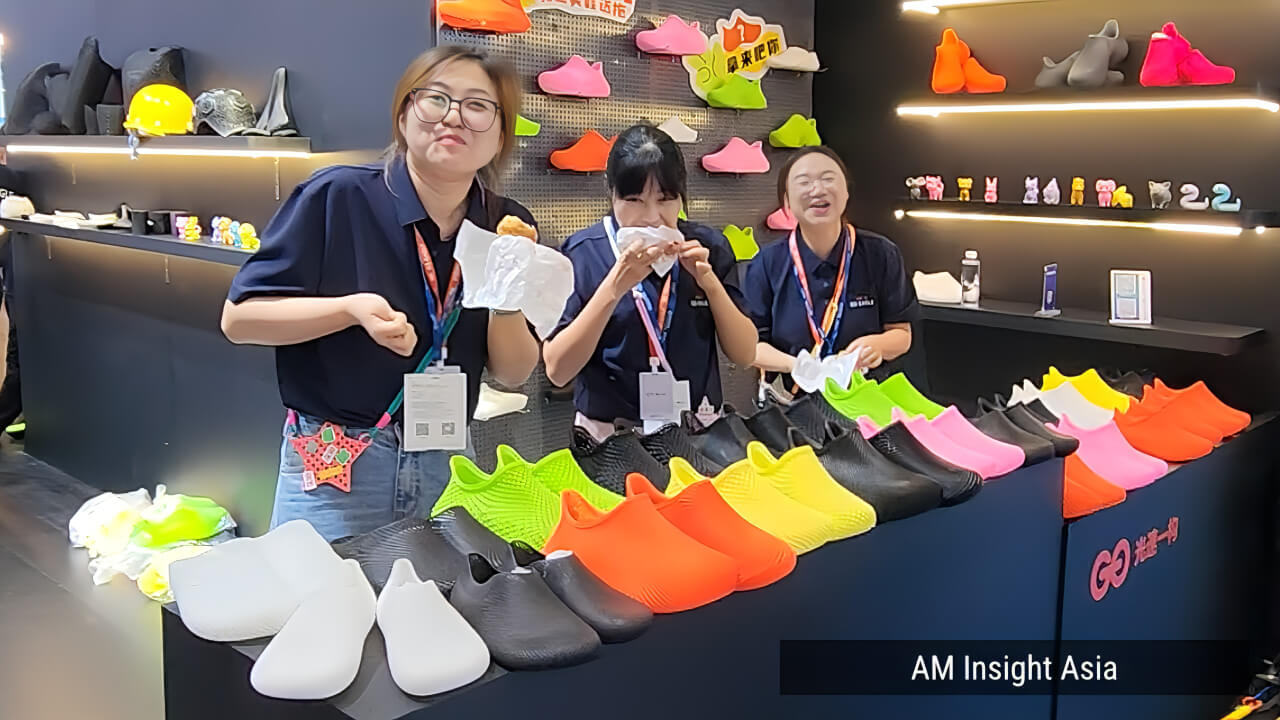
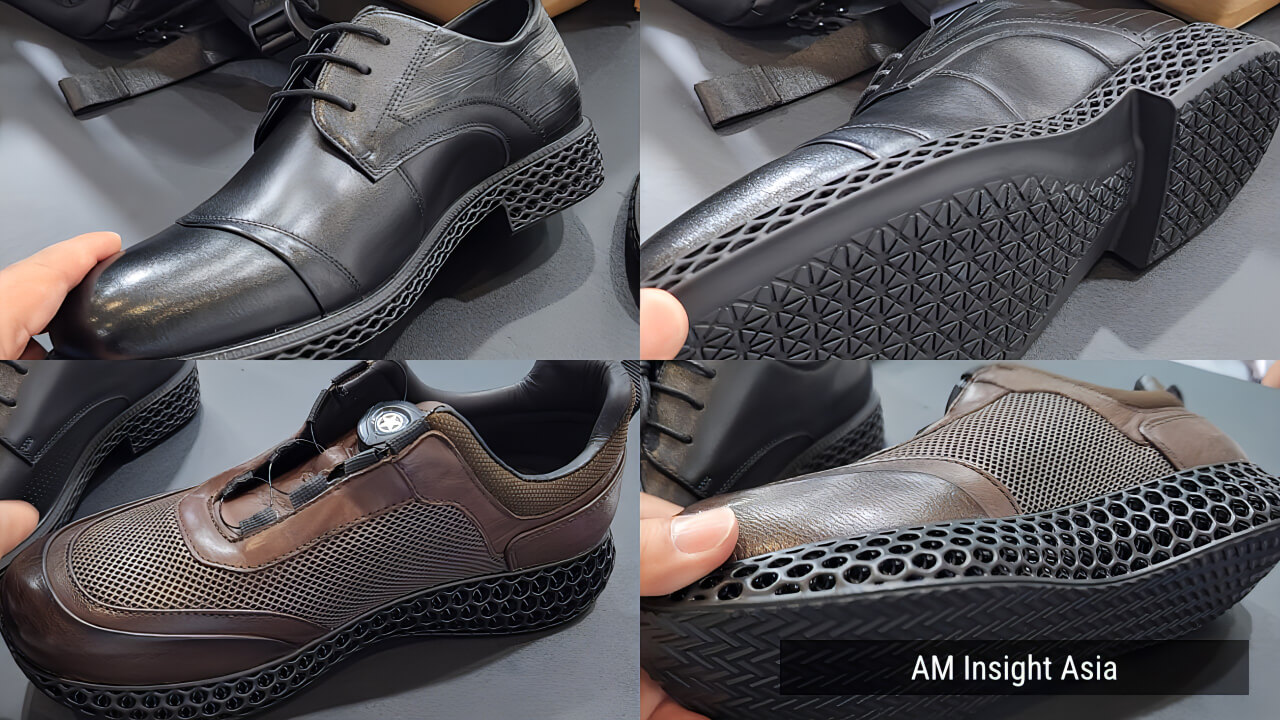
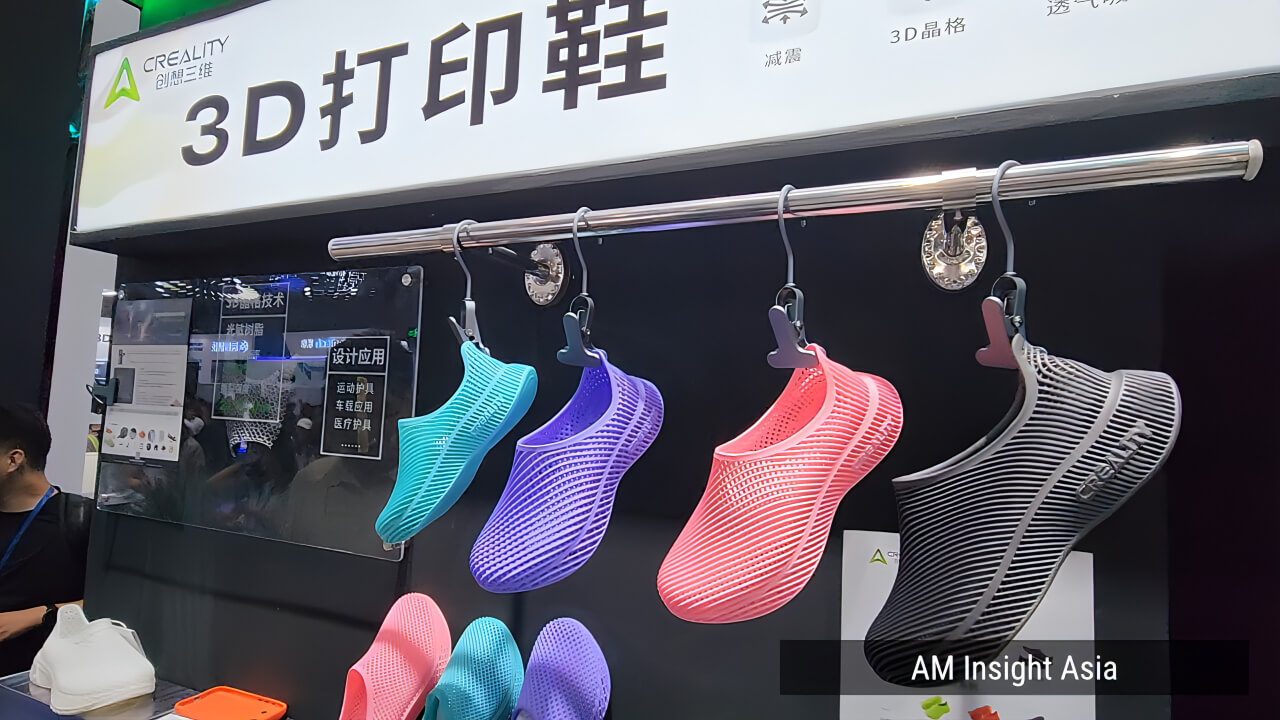
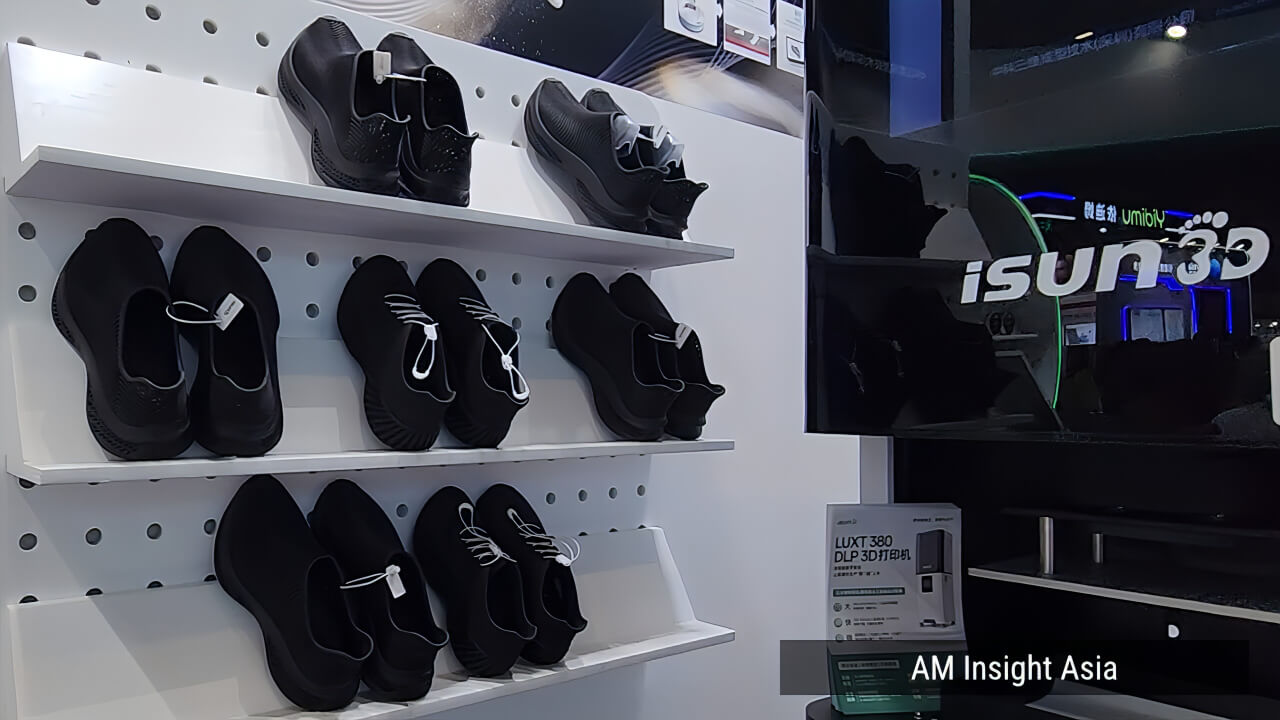
Beyond the award winning brands, booths built around 3D printed footwear turned up throughout the venue. Kongshi Zaowu, a Dongguan based company (English version name is a pinyin rendering, as no official English name exists), positioned itself around what it called an integrated solution for 3D printed shoes, showing elastomer and photopolymer materials for footwear. TPM3D, known for its industrial SLS machines, also had a technical display combining SLS with foaming technology aimed at footwear.
Design speaks loudly, function stays quiet
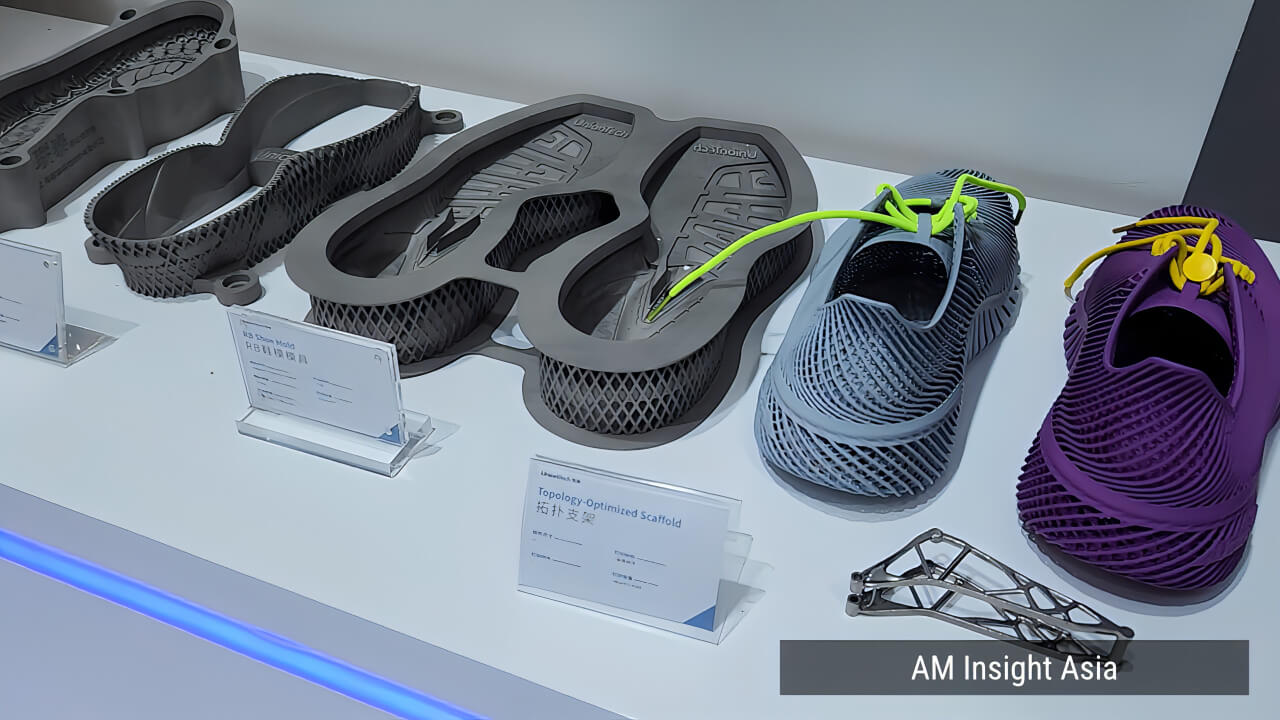
As far as could be observed, footwear related exhibits were almost uniformly built around color, form and design. Exhibits making a concrete, data backed case for durability, comfort or breathability were hard to find.
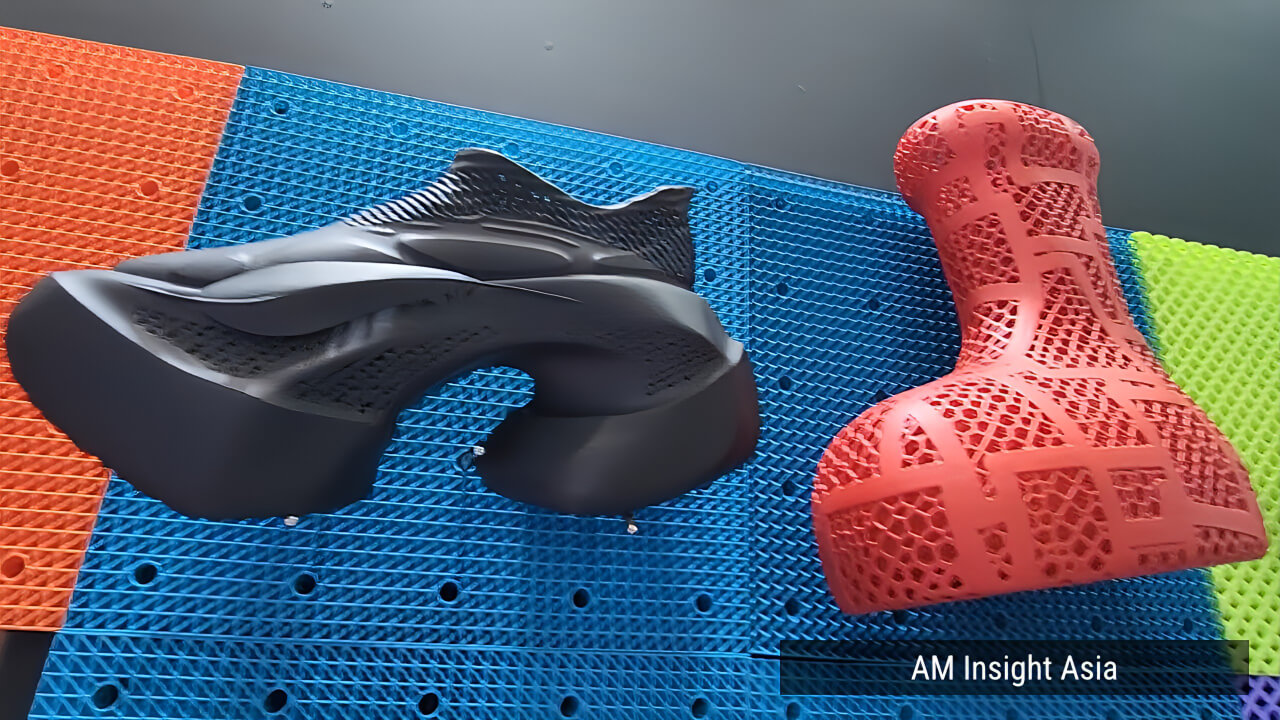
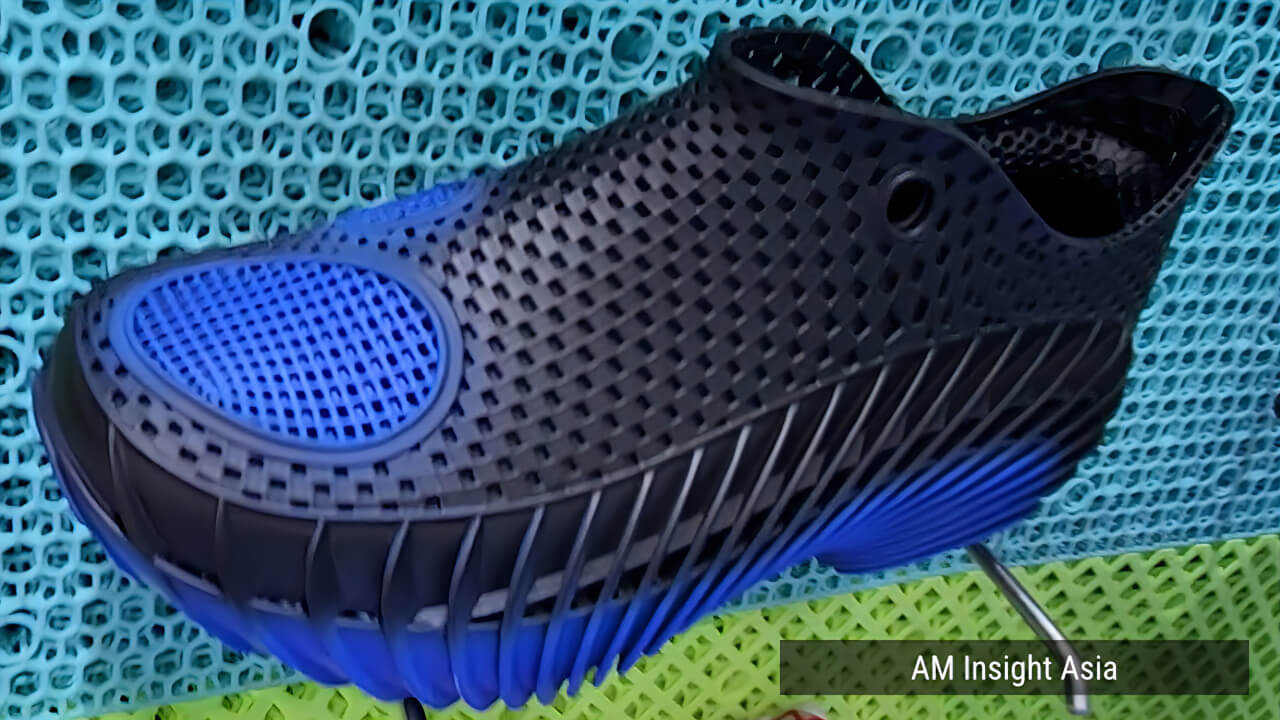
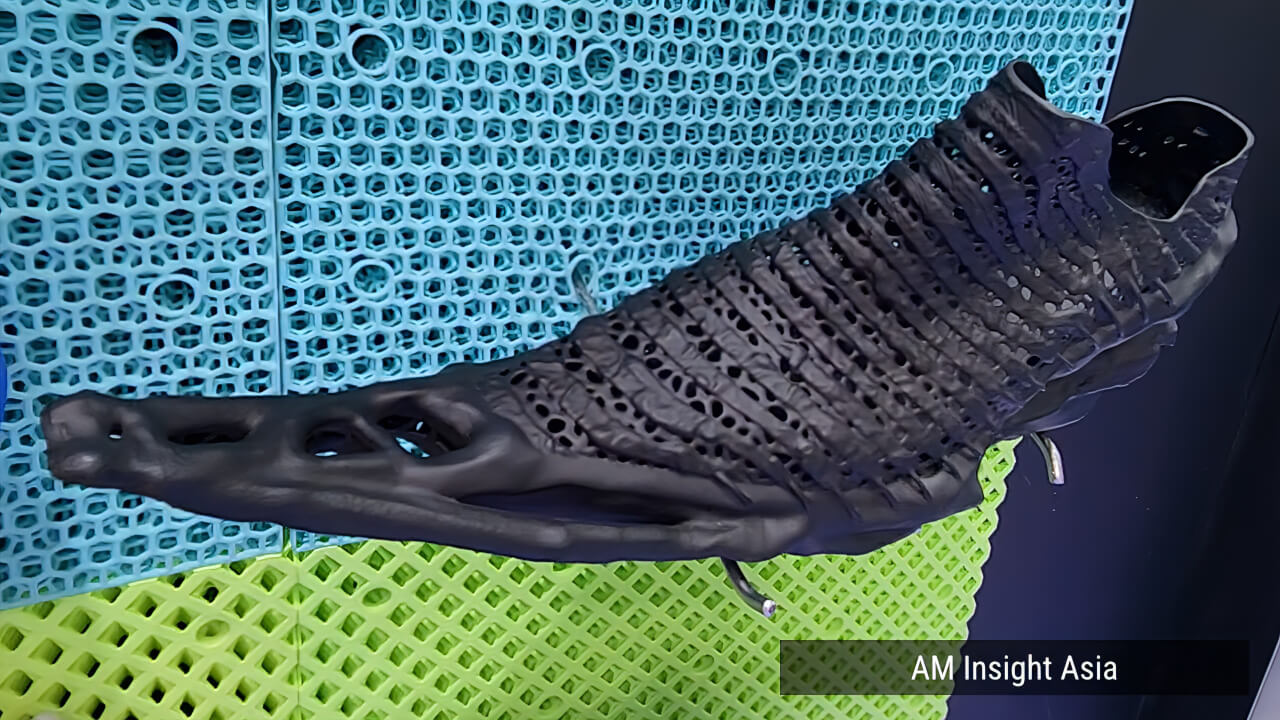
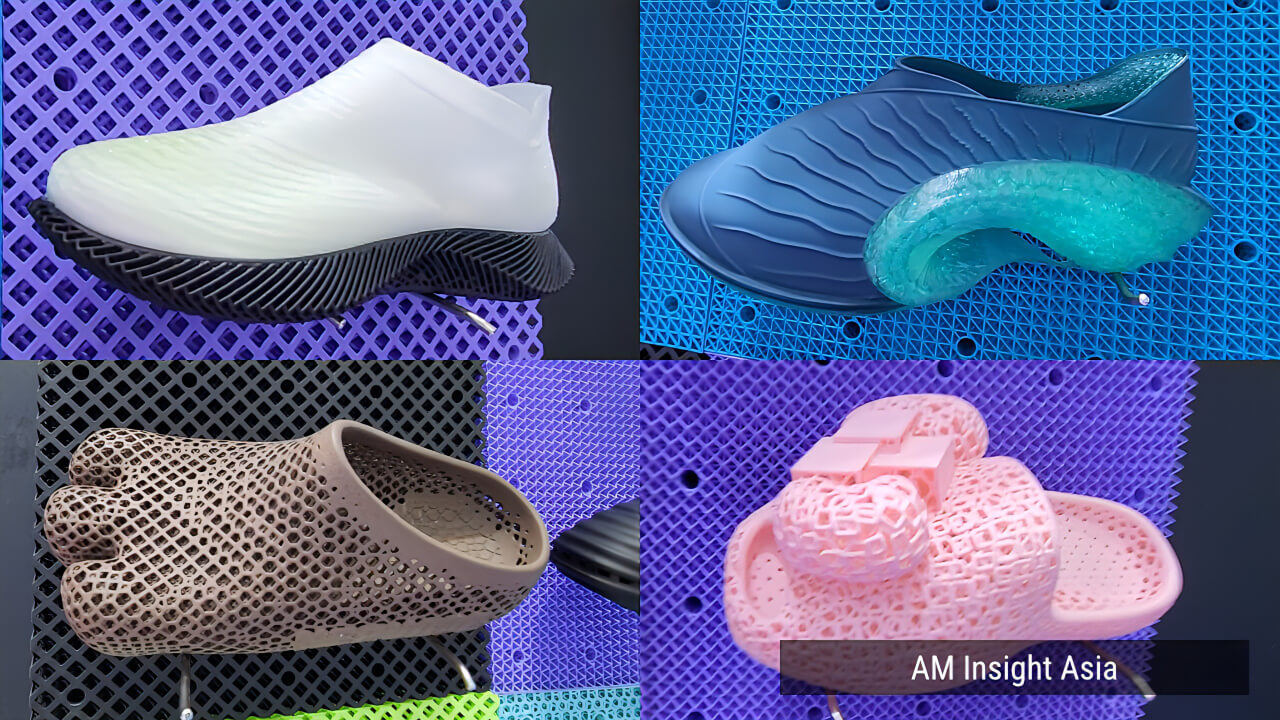
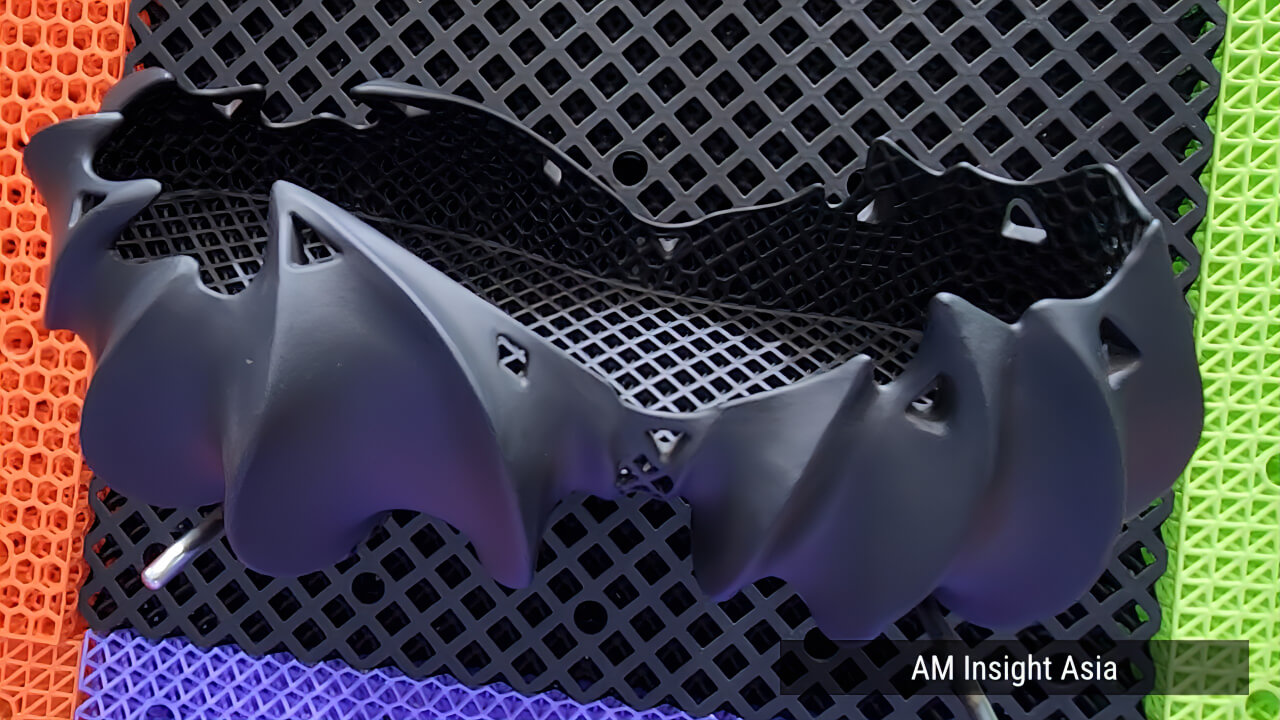
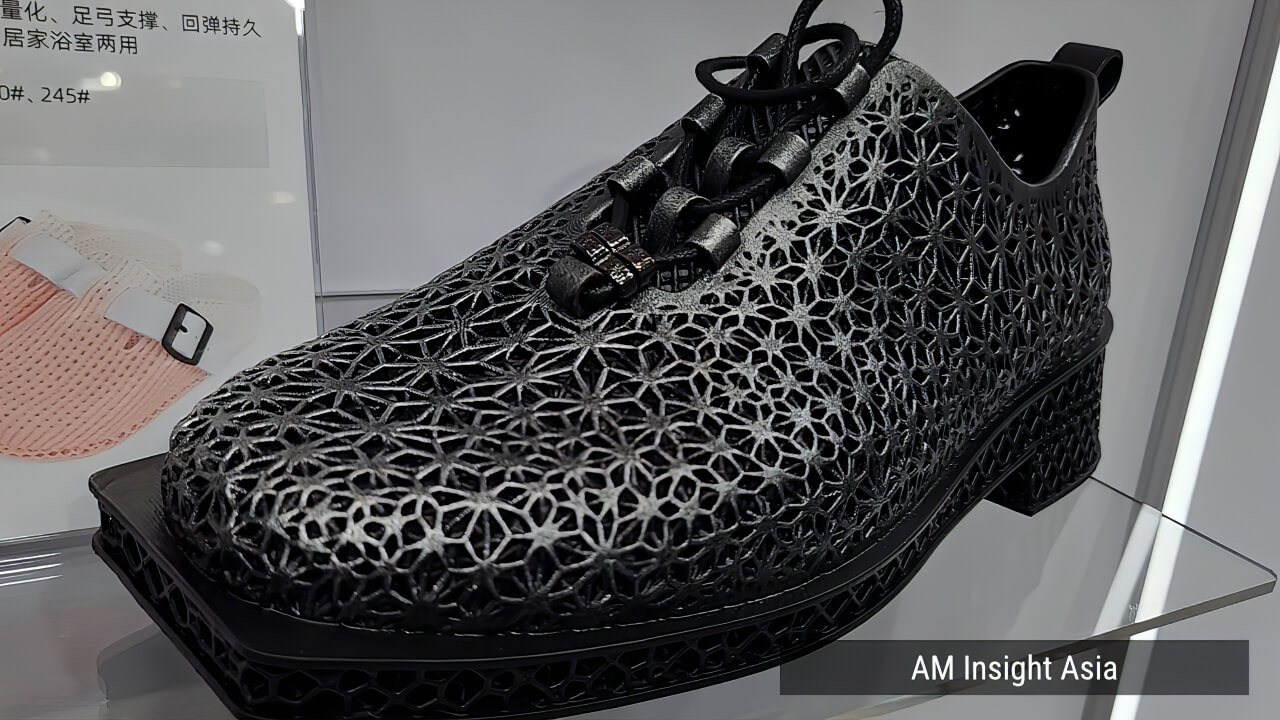
A search through Shenzhen turned up no shoes at all
What stood out against the energy on the show floor was the reality on the street. Over the course of the show, the author rode Shenzhen’s subway for about an hour and a half and walked through the city’s shopping districts, without encountering a single person wearing 3D printed shoes. This is only what the author personally observed, but it points to a sizable gap between the excitement inside the venue and actual adoption outside it.
Price is a high hurdle
Price is one factor working against adoption. The pair of STARAY 3D printed shoes the author bought in Japan cost around 26,000 yen. No-name, unbranded 3D printed shoes, by contrast, can often be found for around 10,000 yen. Ordinary sneakers found in everyday retail chains in Japan also mostly run in the low teens of thousands of yen, and even well known sportswear brands’ mainstay models tend to stay under 20,000 yen. Well known 3D printed shoe brands sit above all of these ranges. And with almost no exhibits making the case for comfort or durability on the show floor, there is little on offer to justify that gap to consumers.
AM Insight Asia Perspective
What the show floor revealed was progress on the “showing” side, in the form of more diverse colors and forms, sitting alongside a lag on the “getting people to actually wear it” side. That diversification shows 3D printed footwear moving from an experimental gadget into a category where brands compete on design choice. But to earn a real place among consumer goods, it needs an information infrastructure that can put words to experiences like comfort and durability, things a photo cannot convey, and use that to justify the price. A major brand like ANTA entering the space hints at future price drops through mass production, while the proliferation of lesser known, emerging booths like Kongshi Zaowu’s is also a sign that no one has yet found a winning formula. Right now, the main thing 3D printed shoes have going for them is a kind of form and design possible only with a 3D printer. But as long as design is the only selling point, the market these shoes reach may stay limited to a small group of enthusiasts chasing novelty. The gap between the excitement an award like this generates inside the venue and the indifference of people walking the streets outside it will not close until prices come down and information about function starts to accumulate.
About the Company
Formnext Asia Shenzhen is the Asian edition of Messe Frankfurt’s international Formnext exhibition brand, organized by Guangzhou Guangya Messe Frankfurt. Held at the Shenzhen World Exhibition & Convention Center, it covers AM technology across metal and polymer, along with related software, inspection equipment and post processing technology.