The Source of an Inexplicable Sense of Trust
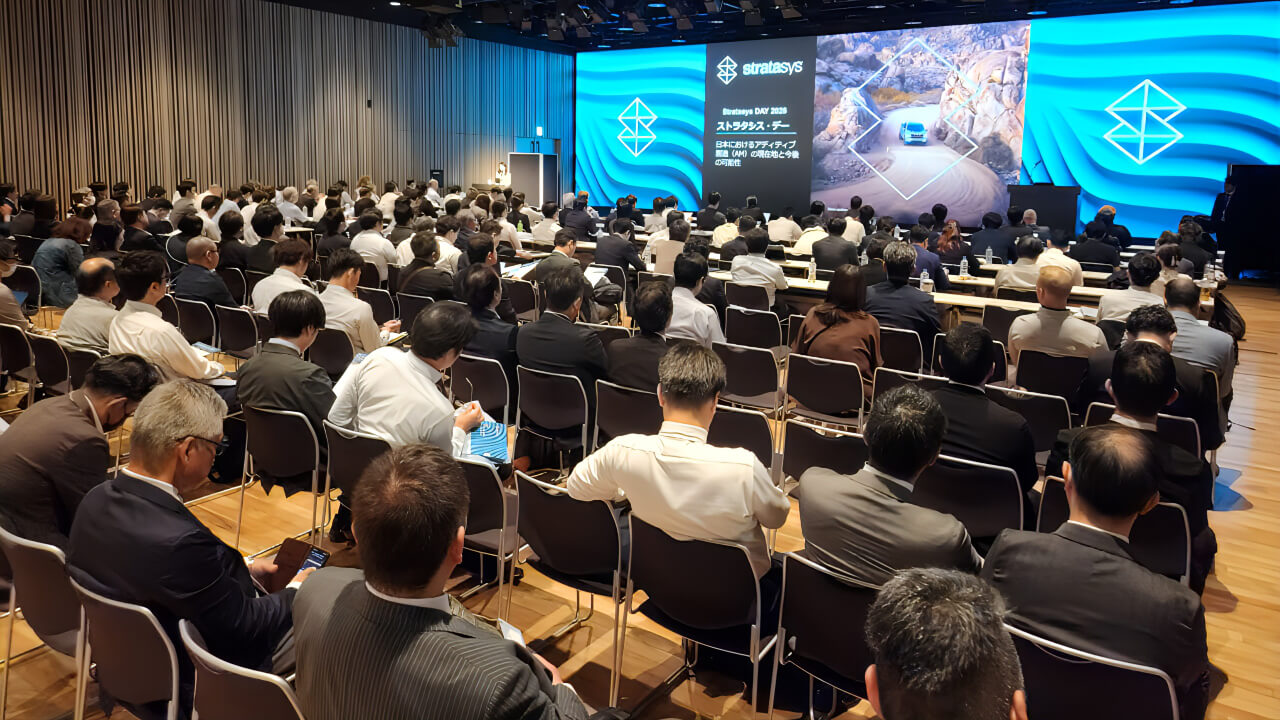
On June 10, 2026, Stratasys Japan hosted its annual private invitation-only event, Stratasys Day 2026, at Port Hall, Tokyo Portcity Takeshiba in Hamamatsucho, Tokyo.
More coverage will follow. Other media outlets will publish their usual event reports, carefully summarizing each presentation. I recorded every session and photographed every slide. But that was not why I came today.
For years, one question has stayed with me. Stratasys is expensive. The materials are expensive. The support is expensive. That may be just perception. And yet, why do Japan’s leading manufacturers keep choosing Stratasys? Every time I ask users, I get the same answer. “Sure, the price is high. But in the end, nothing else will do.” It makes no sense. It is not an answer. It sounds almost like a religion.
And yet, every time I visit a manufacturing facility, I feel it. That inexplicable sense of trust. Where does it come from? Today, I came looking for the answer.
Event Overview
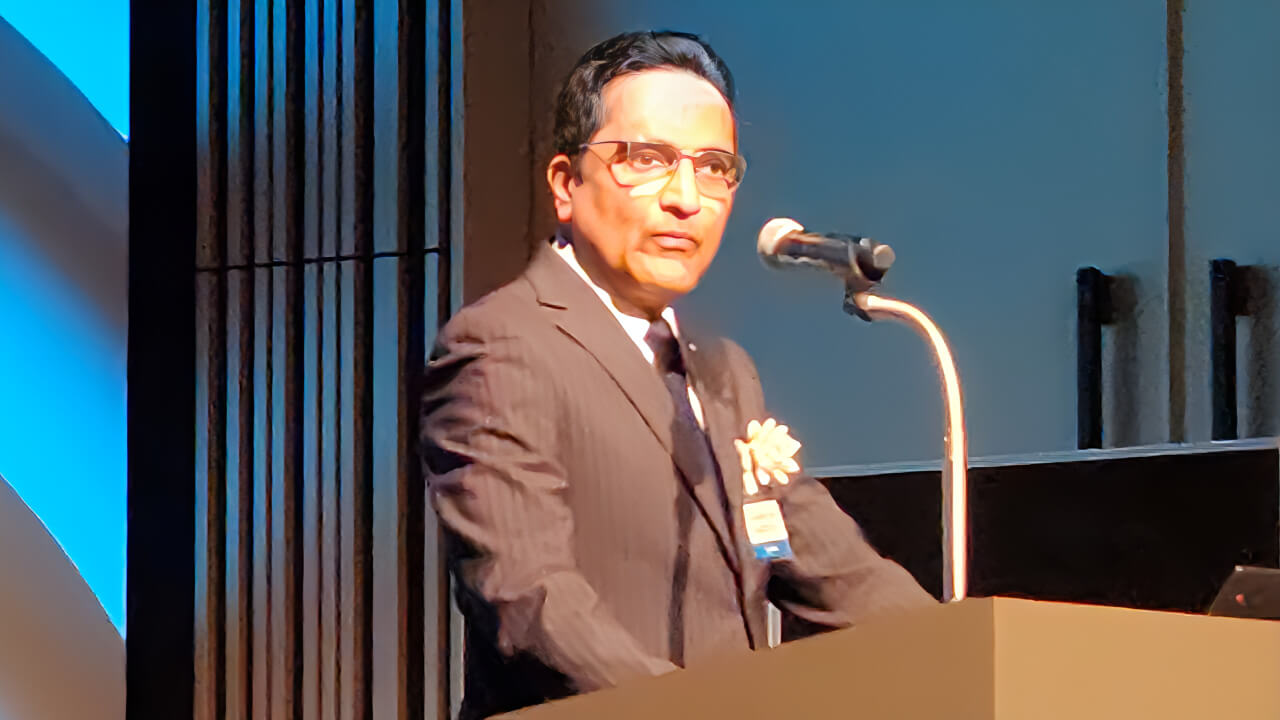
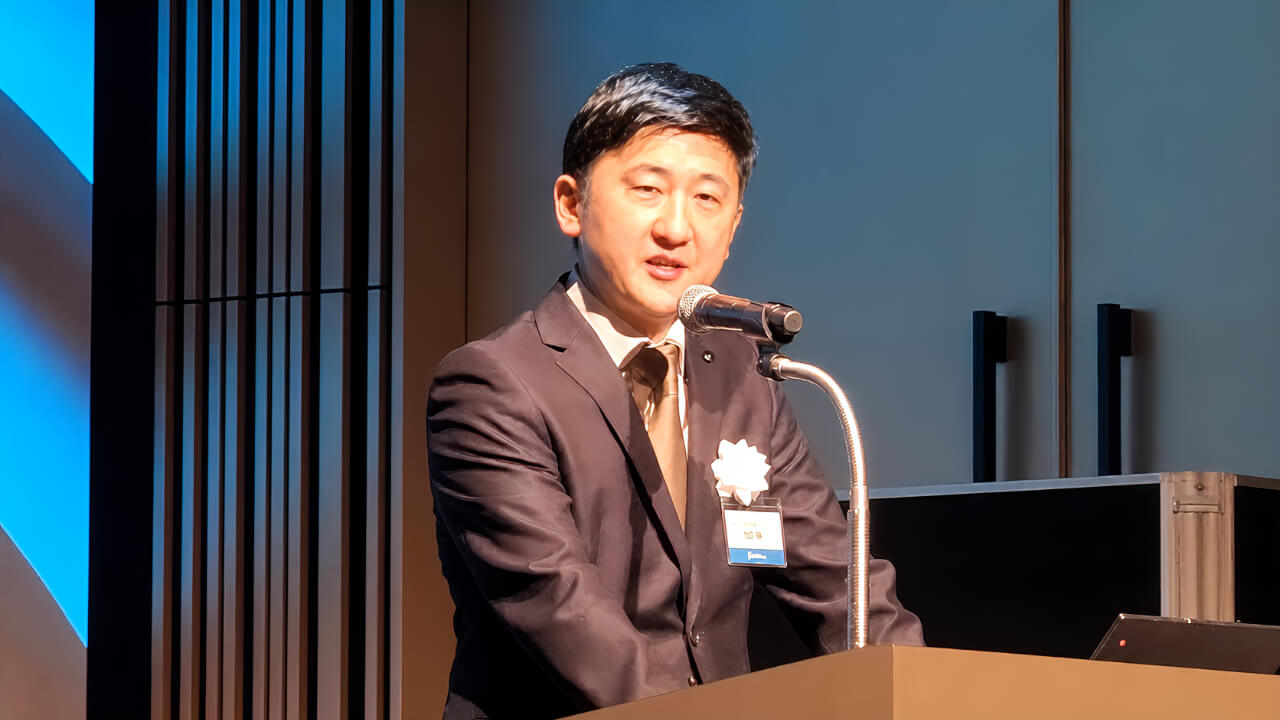
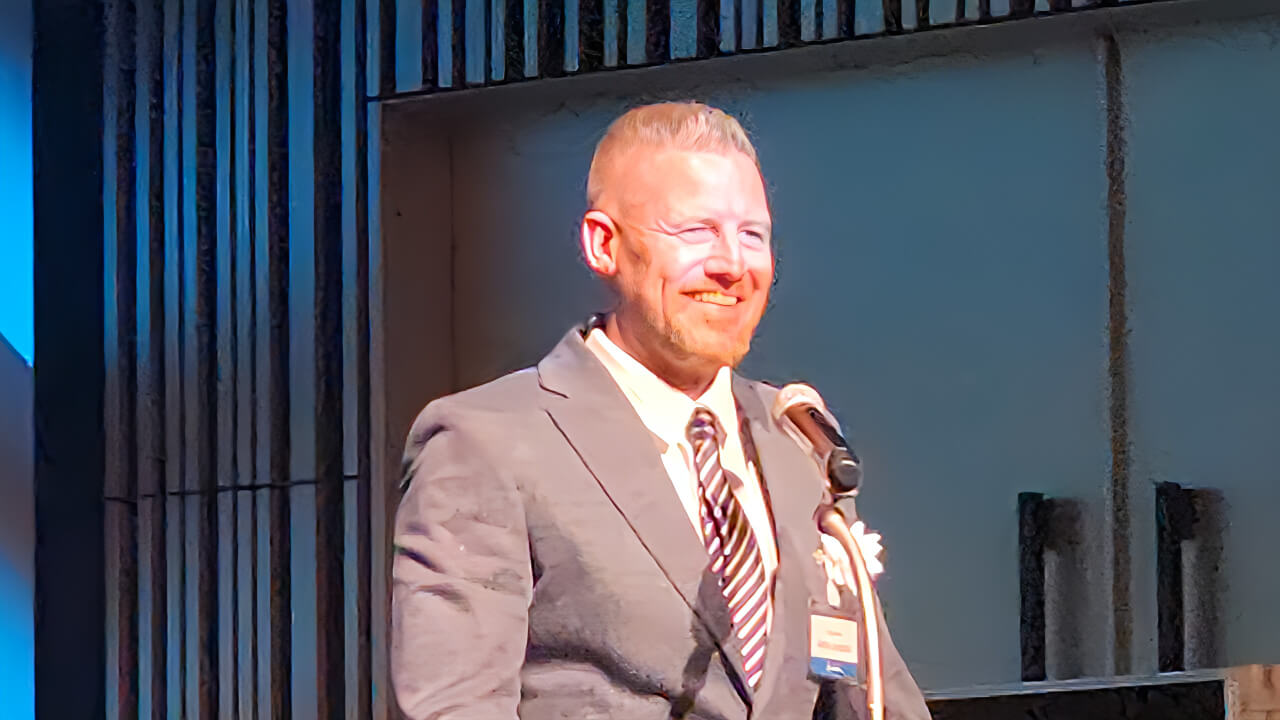
The event opened with remarks from Sunil Sharma, President and Representative Director of Stratasys Japan, followed by a product update from Shoichi Takeuchi, Manager of the Product Solutions Department.
Three presentations followed: William Dallas Martin, Sr. Engineer Additive Manufacturing at Toyota Motor North America, on additive manufacturing initiatives; Noriaki Matsumoto, Group Manager at Shin-Etsu Chemical, on silicone material development trends for 3D printing; and Futoshi Takahashi, Technical Director at Kata Gijutsu Jimusho Moto, on the use of 3D printing for automotive interior part molds.
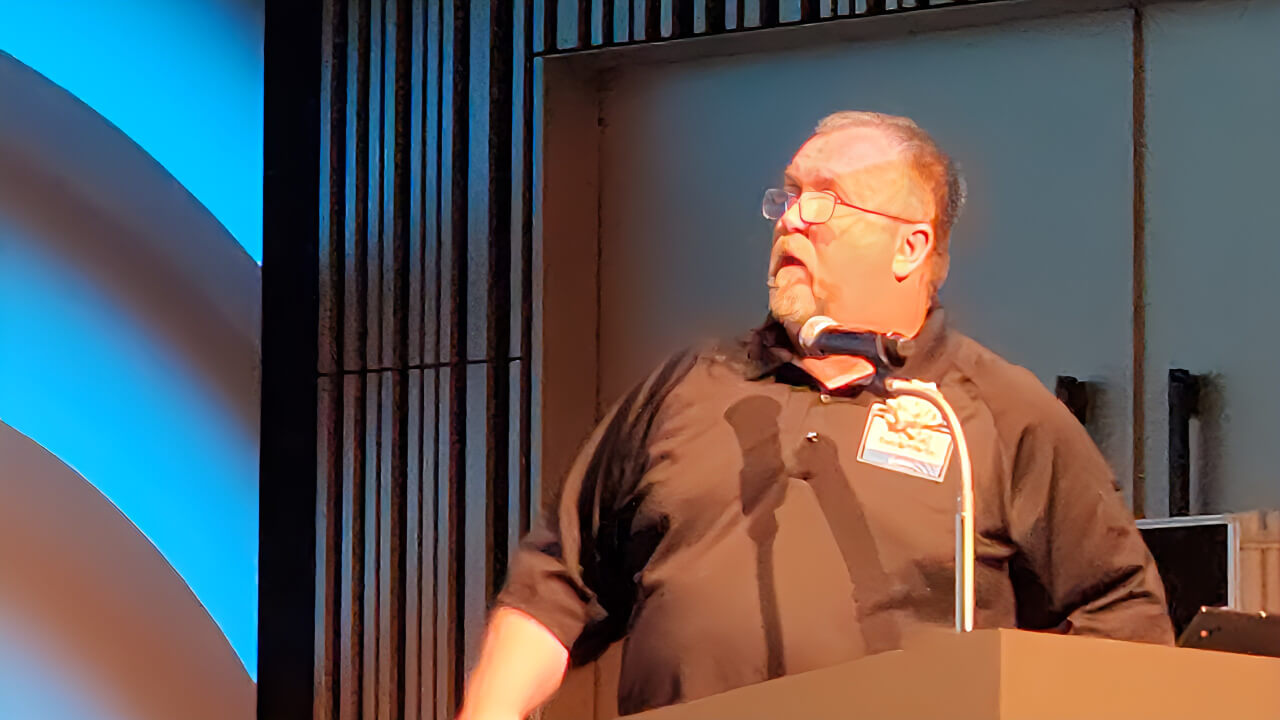
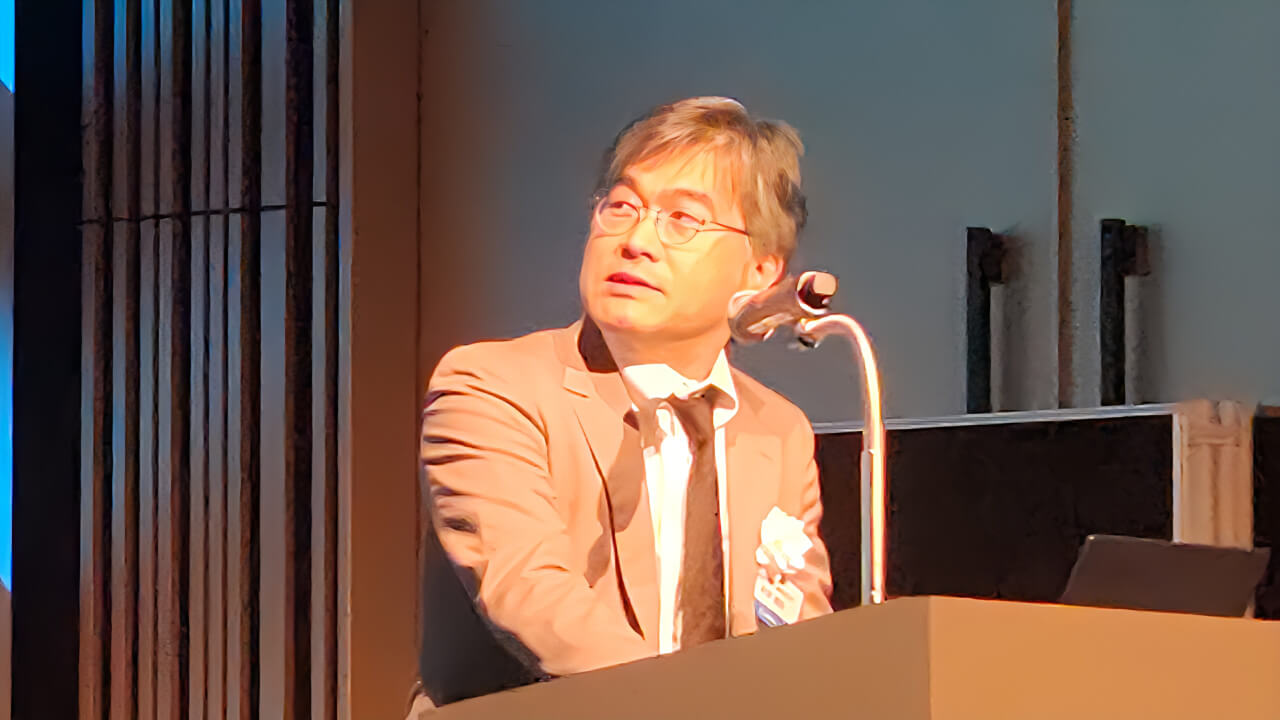
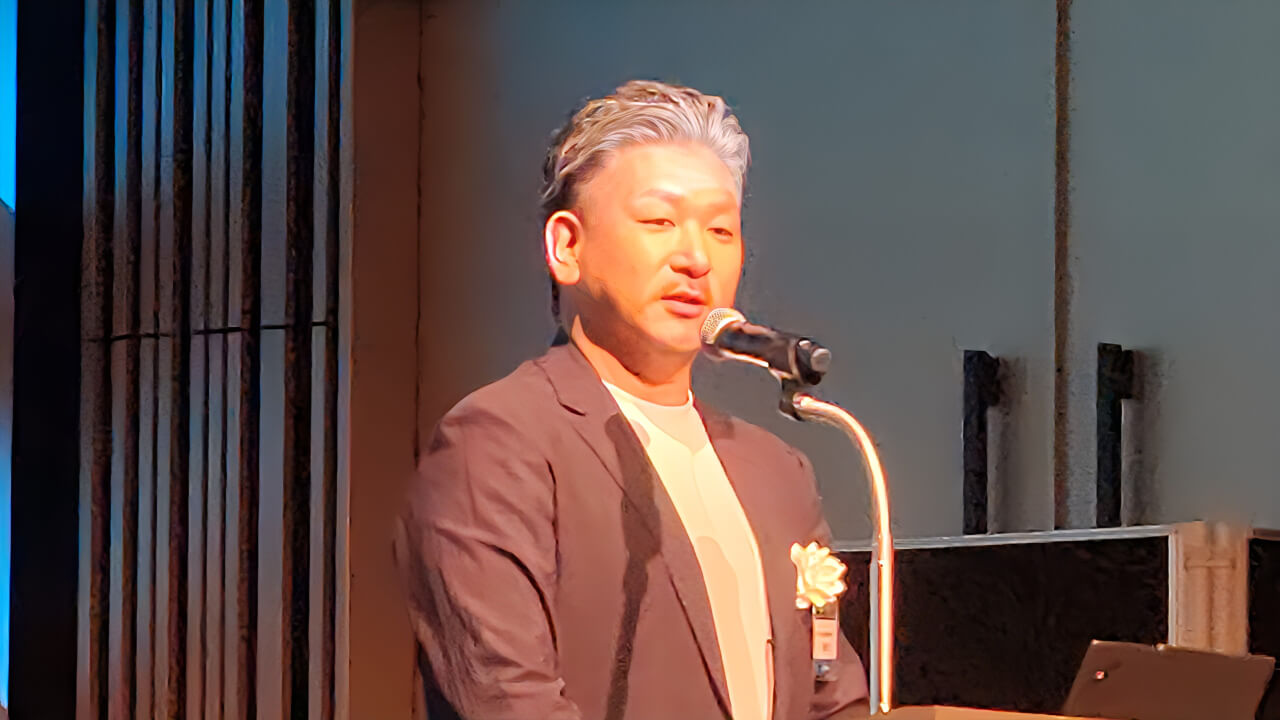
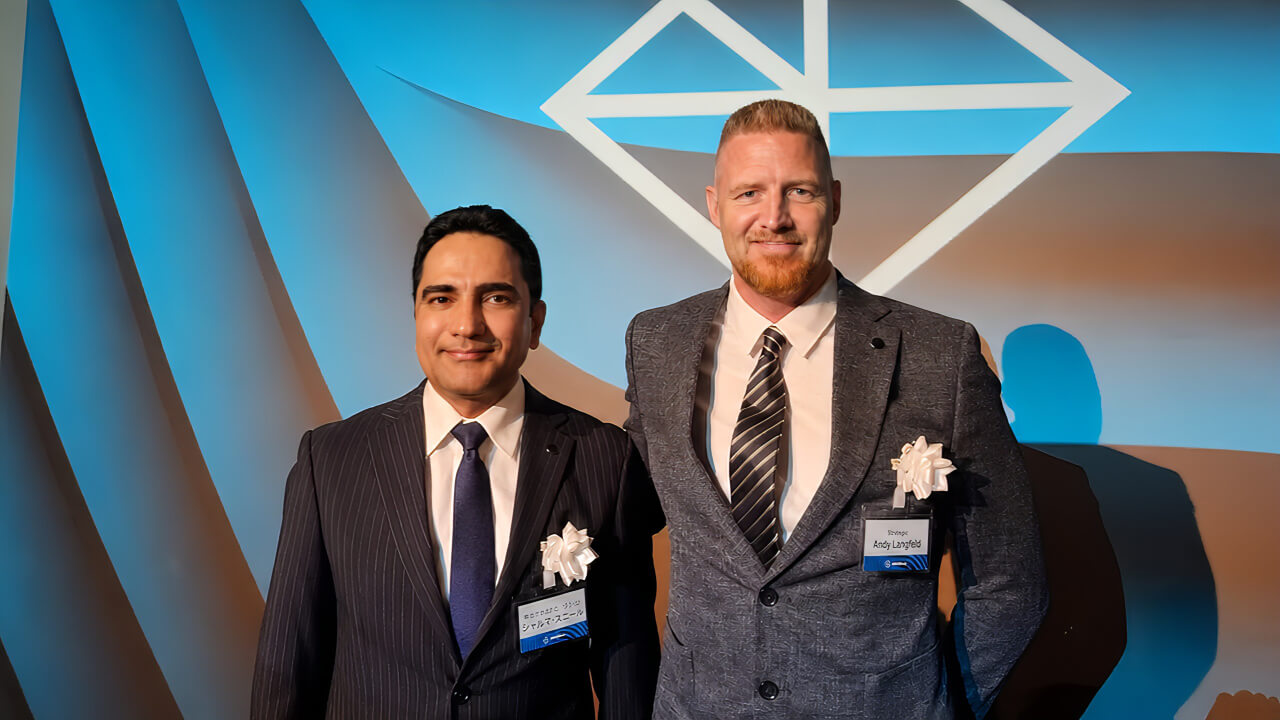
The poster session featured nine companies: Earth Denki Co., Ltd., Ogawamine Co., Ltd., Castem Co., Ltd., TOMS Co., Ltd., Tritech Co., Ltd., Nissan Motor Co., Ltd., Hotty Polymer Co., Ltd., Yasojima Proceed Co., Ltd., and Kata Gijutsu Jimusho Moto Co., Ltd. Andreas Langfeldt, Chief Revenue Officer of Stratasys Ltd., was also present at the event.
Stratasys Today
Just eight days before this event, on June 2, 2026, Stratasys celebrated the grand opening of its Americas Regional Corporate Headquarters, ARCH, a new 200,000-square-foot facility in Minnetonka, Minnesota. Scott Crump, inventor of Fused Deposition Modeling and co-founder of Stratasys, attended the ceremony.
The company currently holds approximately 25% share of the global resin 3D printer market for systems priced above $20,000, making it the world’s No.1 in that segment and the only publicly listed AM company to consistently generate profit. Its portfolio spans five core additive technologies (FDM, PolyJet, SAF, DLP, and SLA) and more than 180 materials, covering everything from prototyping to end-use part production.
In 2026, the company also announced the acquisition of Markforged, Inc., a company with strong capabilities in defense and aerospace. The shift toward production-grade manufacturing is accelerating.
Looking at these moves together, it becomes clear that Stratasys is no longer positioning itself as a 3D printer manufacturer. It is positioning itself as infrastructure for the manufacturing industry.
Stratasys Day 2026: Machines Always Break. What Matters Is What Comes Next.
The presentation that stayed with me most today was from William Dallas Martin of Toyota Motor North America.
Martin opened his talk by borrowing a famous line from Apollo 13. “Houston, we have a problem…!”
He was describing a real issue with the J850/J750: heads clogging after 250 to 450 hours of use. Stratasys responded by engaging a segment leader, bringing in application engineers to work alongside the Toyota team, looping in the R&D team in Israel for root cause analysis, and working through the problem together on a whiteboard. Within two weeks, the first solution was installed on the machine.
Machines will always break down or develop problems. But what really matters is what happens after that. Anyone who has been through it knows: the pressure from all sides, the urgency, the fear of being alone with the problem. In that moment, what matters most is who is standing next to you.
When asked to share advice for companies looking to adopt additive manufacturing, Martin listed his priorities. First on the list: “Customer first mindset.” Not the machine. Not the technology. First, look at the customer. And it is hard to miss the irony: the advice Martin gives to others is exactly what Stratasys practices with him. In his facility, nine out of ten machines running on the floor are Stratasys. His words and his actions are perfectly aligned.
The Goal Is Not to Run a 3D Printer
I asked Sharma directly during a break. Why do people keep choosing Stratasys? What makes the difference?
His answer was simple. “Because we genuinely look at our customers.”
I asked whether he meant overseas customers or Japanese customers. Both, he said. But Japan is different. The requirements here are more detailed, more demanding. It is harder. But if you can make it work in Japan, he believes it will work anywhere in the world.
A senior engineer at Toyota Motor North America said “Customer first mindset.” The president of Stratasys Japan said “We genuinely look at our customers.” The two never compared notes. But they gave the same answer.
What manufacturers in the field need from a 3D printer goes beyond print specifications. Their real job is to develop new products, keep production lines running, and move their business forward. The printer is a tool. The question is: when that tool breaks down, who is going to work through the problem alongside you? That is what is really being asked.
AM Insight Asia Perspective
Attending Stratasys Day 2026 brought something into focus. What does real user experience actually mean?
Having the specifications to do what you need to do is obviously necessary. Without that, you cannot even begin to solve the problem. But it is not just about the machine. As Takeuchi’s presentation made clear, software matters. Materials matter.
But that is still not the whole story. Those are the baseline. There is a reason Stratasys is chosen at this scale. There are many systems on the market with comparable specifications, some at far lower prices. In the heat of real manufacturing, where the stakes are high and the pressure is constant, what users seem to need, beyond all the obvious things, is a partner who will get into it with them. A company that functions as part of the team, not a vendor on the other side of a contract. They find real value in having a partner they can truly trust.
Users do not want to run a 3D printer. They want to reach goals that are difficult to reach. Additive manufacturing is simply part of how they get there.