Visitors and exhibitors hit record highs, with fast churn underneath
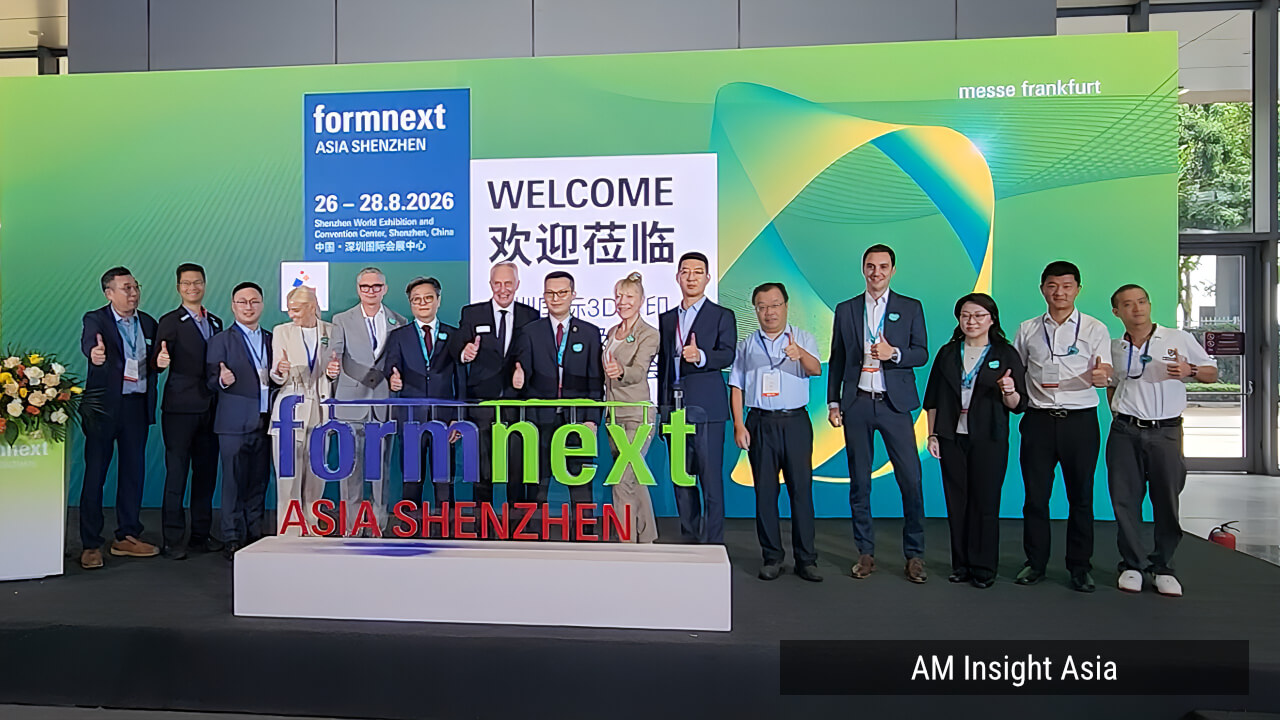
Formnext Asia Shenzhen 2026, which ran from August 26 to 28, closed at the Shenzhen World Exhibition and Convention Center with record numbers for both visitors and exhibitors. Having also attended last year’s edition, I found the mood on the floor noticeably different from 2025. But breaking the numbers down reveals something more complicated than simple growth: internationalization outpaced overall growth by a wide margin, and roughly half of last year’s exhibitors appear to have been replaced by newcomers this year. Part 1 lays out that picture in numbers.
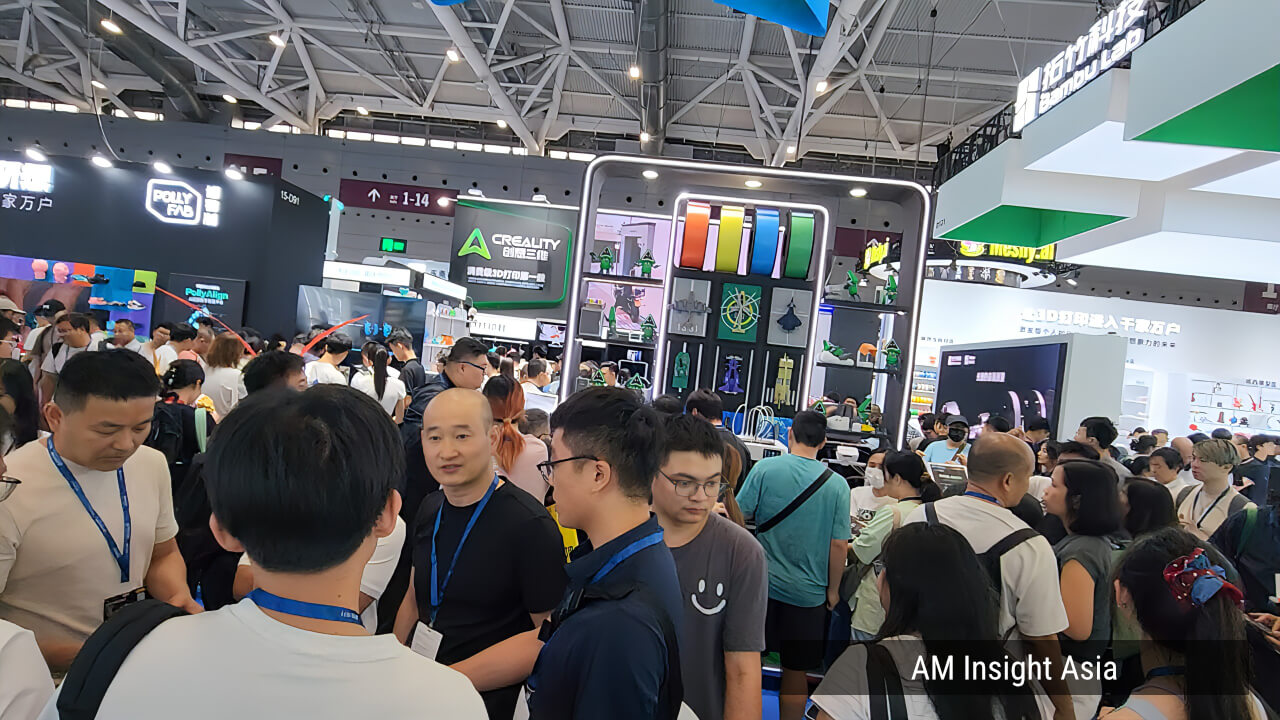
Visitors reach 34,202, overseas attendance up 157%
Formnext Asia Shenzhen 2026 drew 34,202 visitors (41,986 total visits), up 65% year on year. Of these, 1,887 came from overseas, up 157%, with visitors arriving from 113 countries and regions including mainland China. Malaysia and Thailand were the top two international markets, followed by Russia, Singapore, the United States, Indonesia, Japan, South Korea, Brazil and Vietnam; seven of the top ten international markets were in Asia.
The newly launched Global AM Channel Partner & Dealer Matching Meeting was designed to help Chinese AM companies build sales and service networks abroad, matching them one-on-one with overseas distributors, dealers and service providers. This year’s edition brought together 27 international channel buyers with 16 Chinese and Korean AM suppliers. Participating distributors and dealers came from countries including Burkina Faso, France, Iran, Mexico, Nepal, the Philippines, Romania, Saudi Arabia, Senegal, Spain and Zimbabwe, a notable showing from African and Middle Eastern markets that haven’t traditionally had much presence in the AM industry.
330 exhibitors, more than 60% first-timers
Exhibitor numbers reached 330, and floor space grew 60.5% year on year to 20,000 square meters. Of the 330, more than 210, or over 63.5%, were exhibiting for the first time.
By AMIA’s calculation, this points to a fast turnover among exhibitors. In 2025, the show had 265 exhibitors, of which 131 (about 49%) were first-timers. Assuming this year’s roughly 120 returning exhibitors (330 minus 210 new) all came from last year’s lineup, around 145 of 2025’s 265 exhibitors, or about 55%, did not return this year. This is a simplified calculation that assumes every returning exhibitor came from the 2025 roster, and it doesn’t tell us who left (machine makers, materials companies, or others) or why. Still, the sheer number of companies cycling in and out is itself a sign of a market heating up.
Media tour
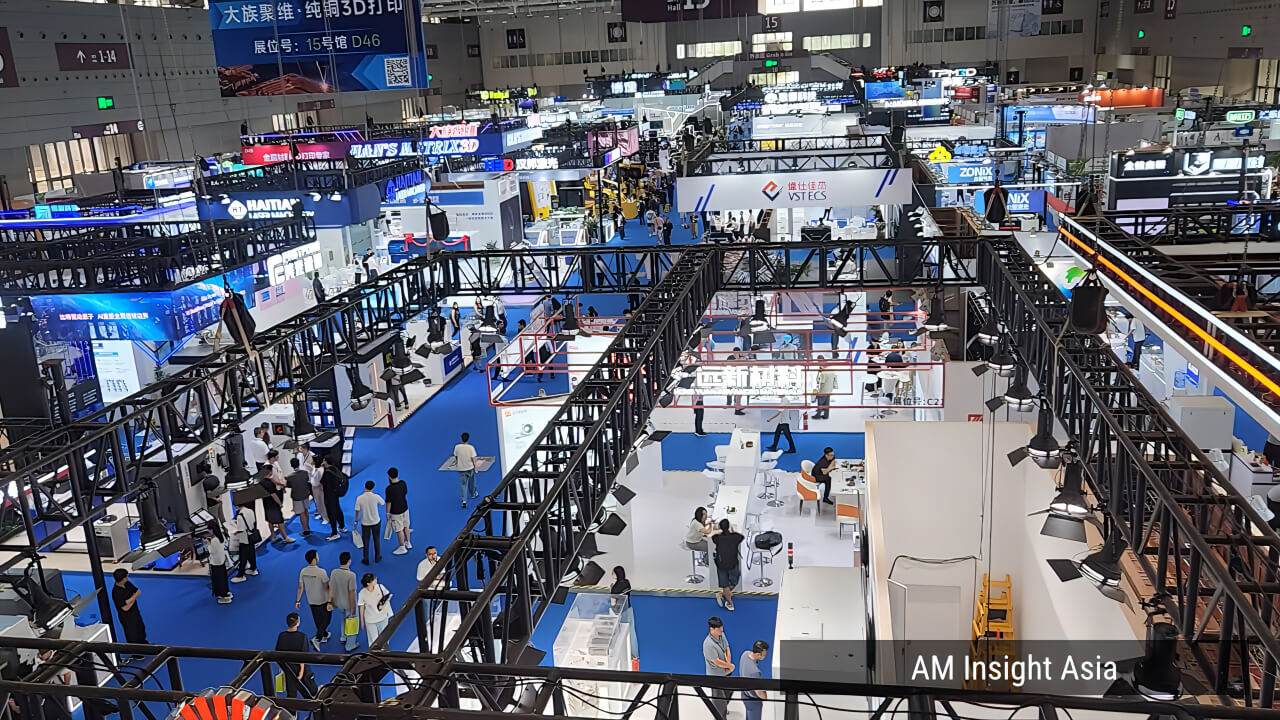
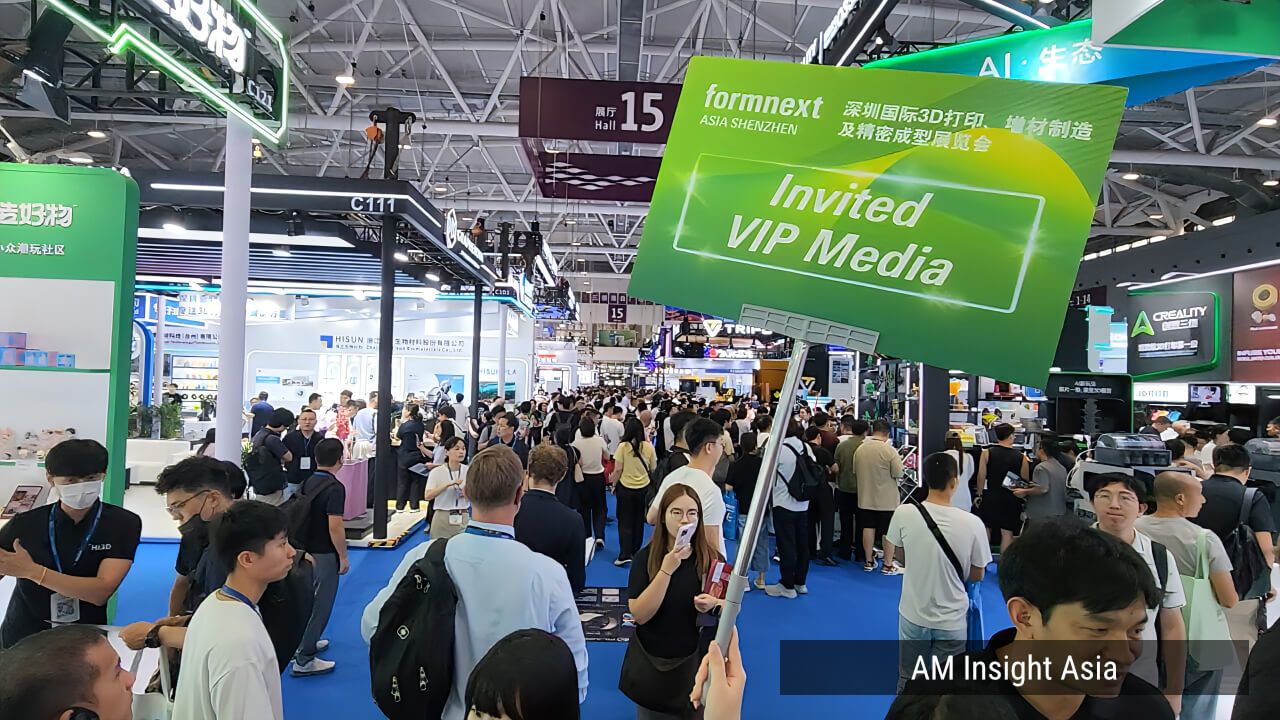
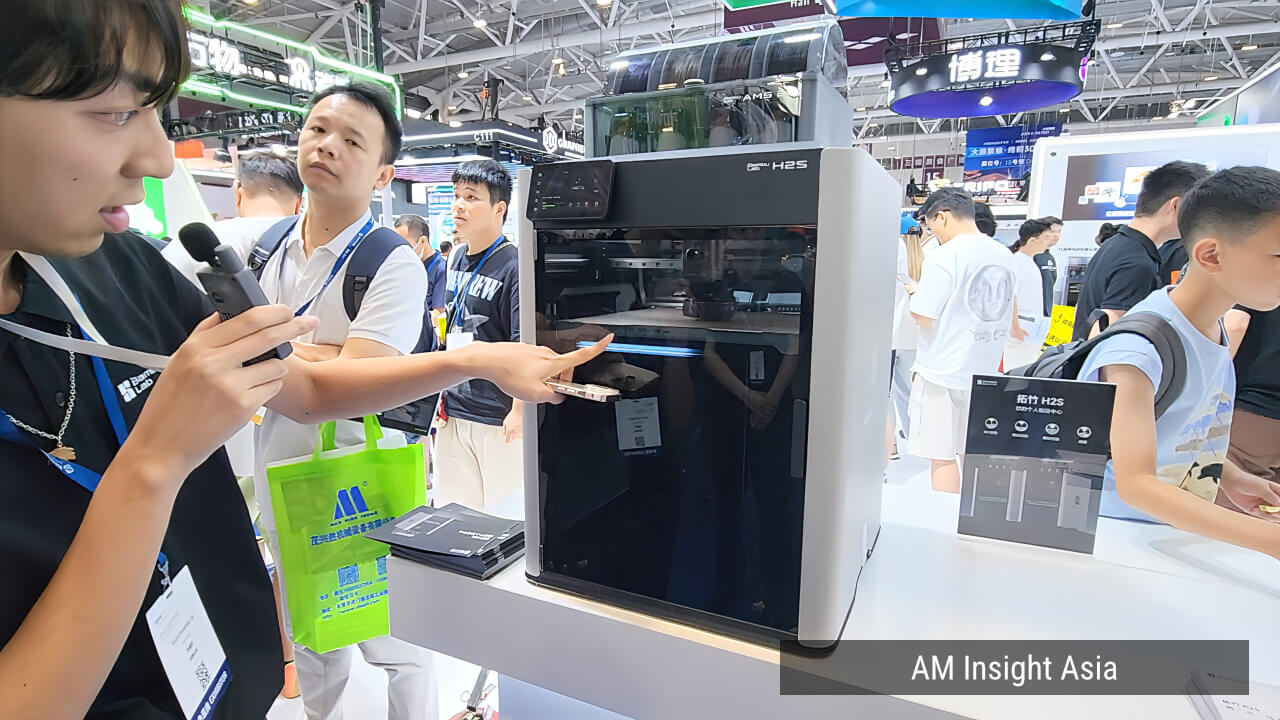
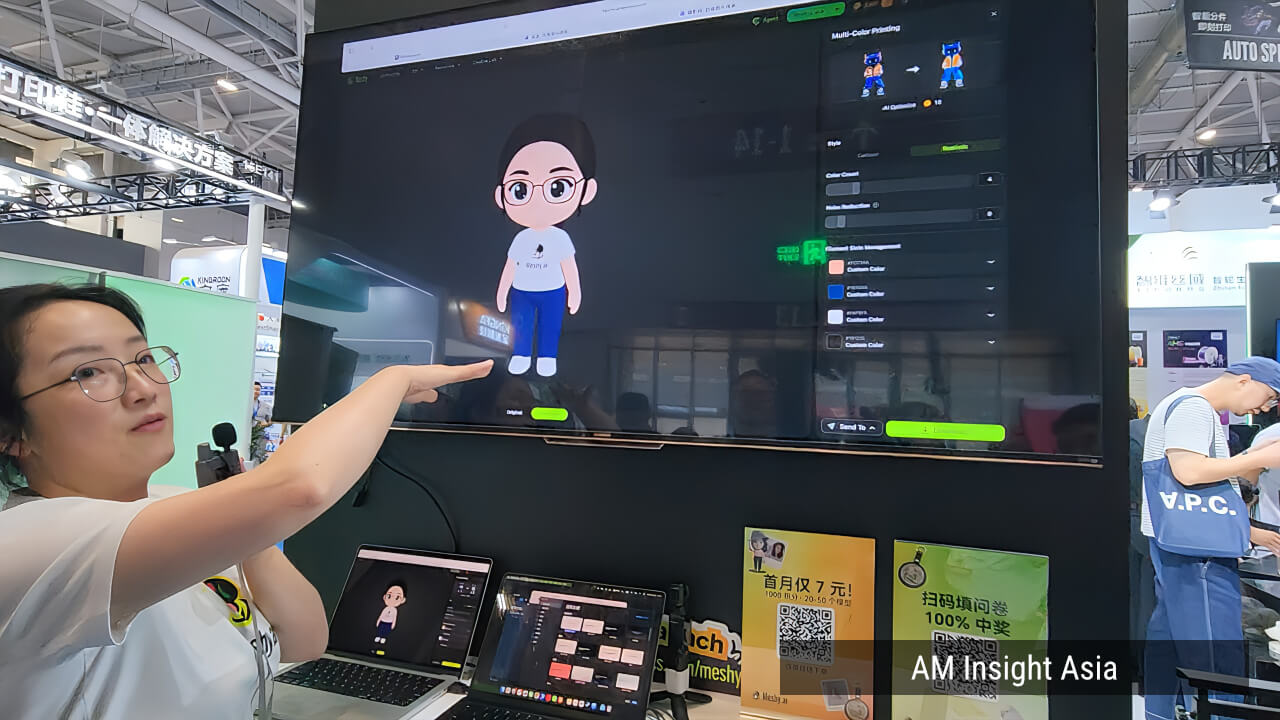
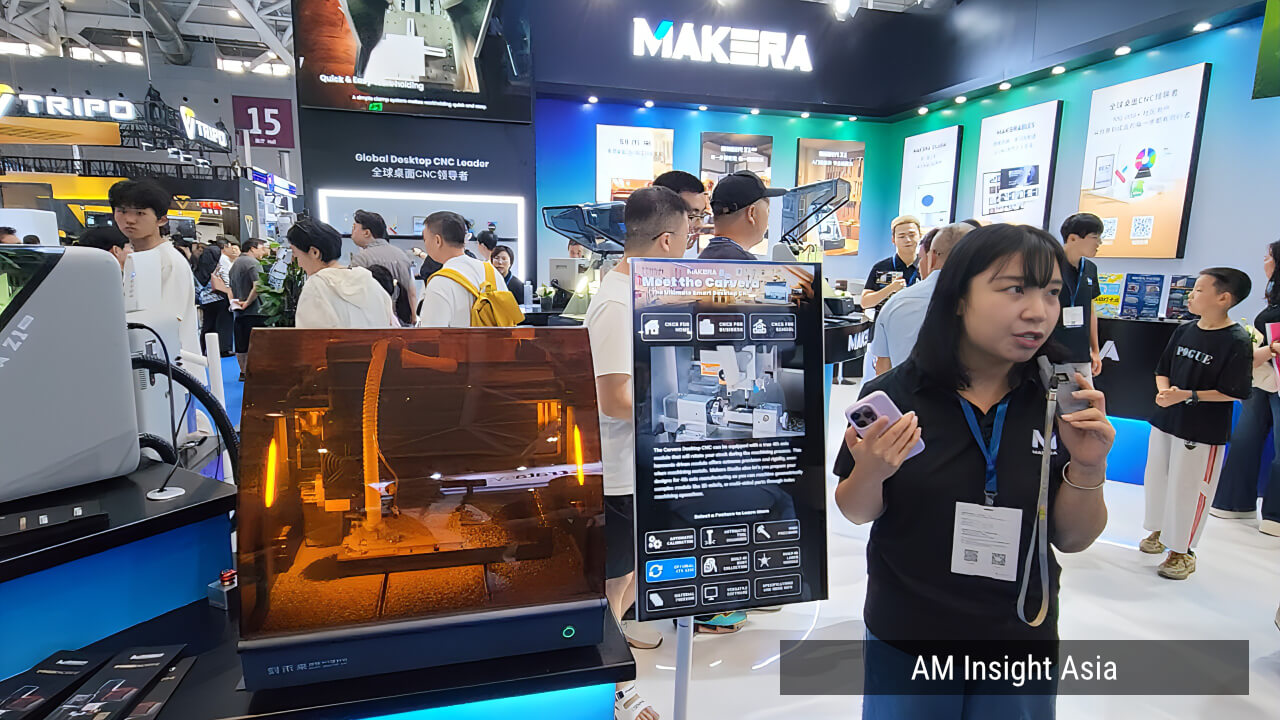
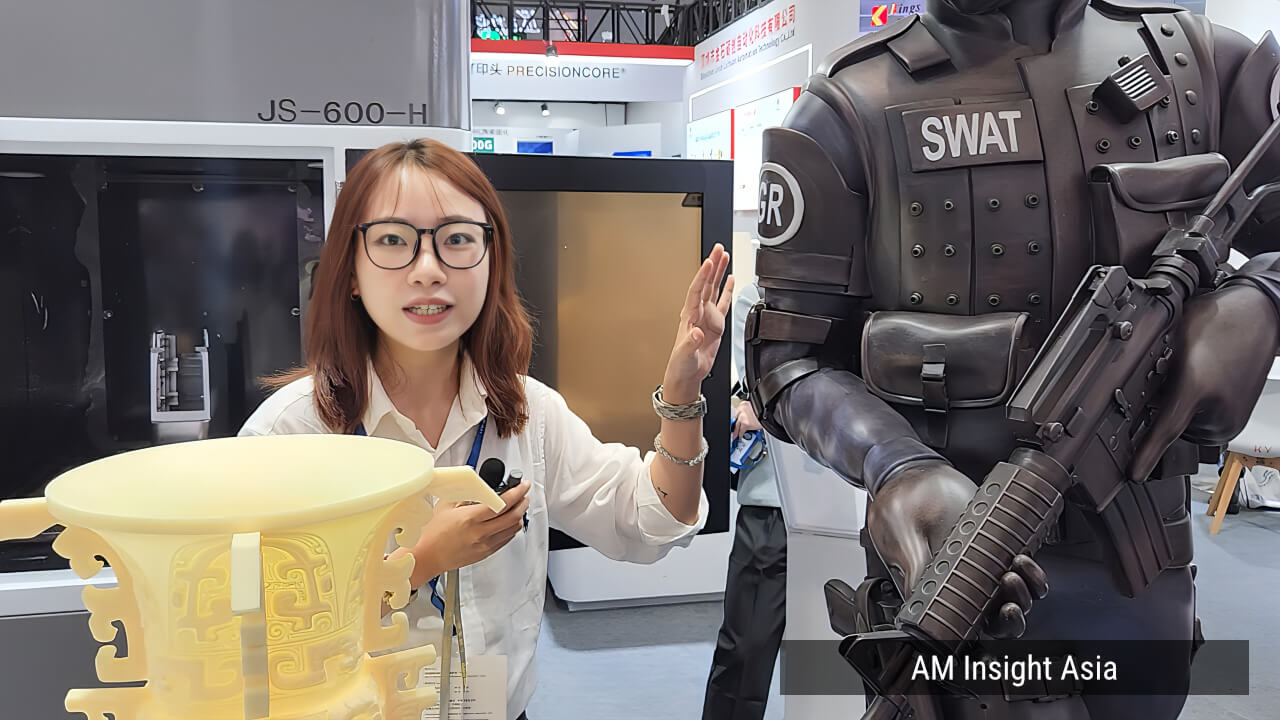
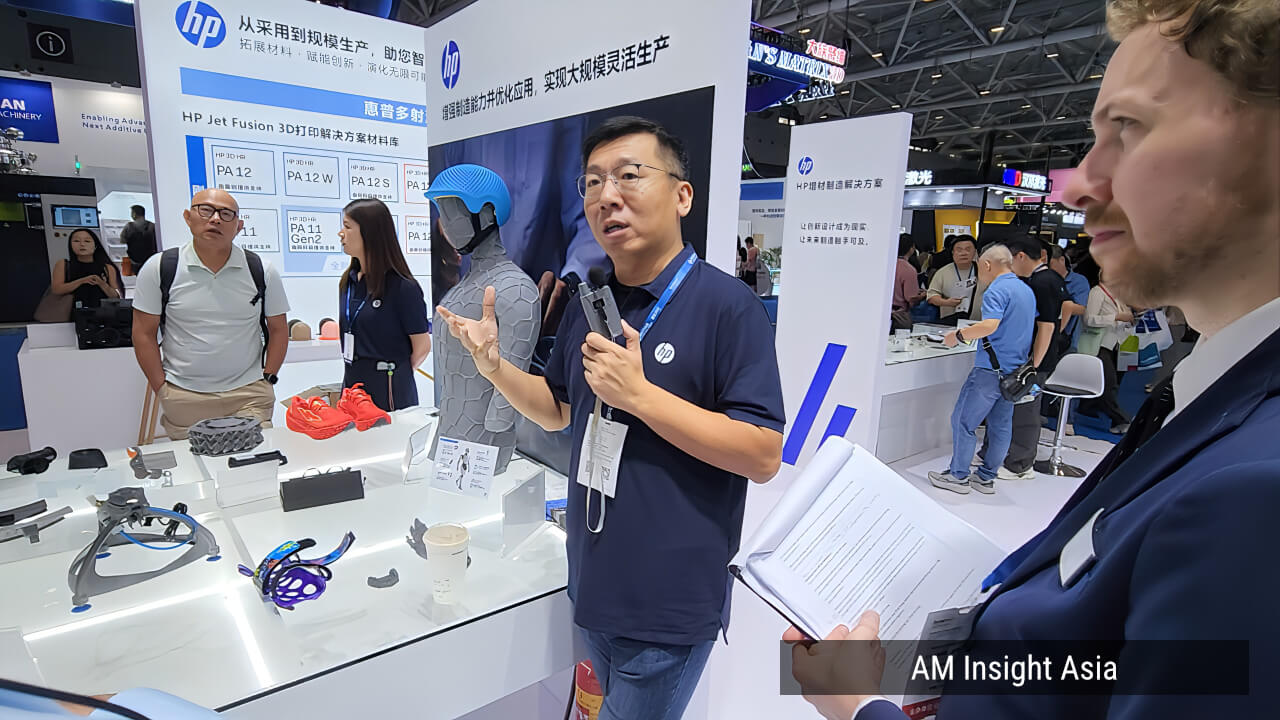
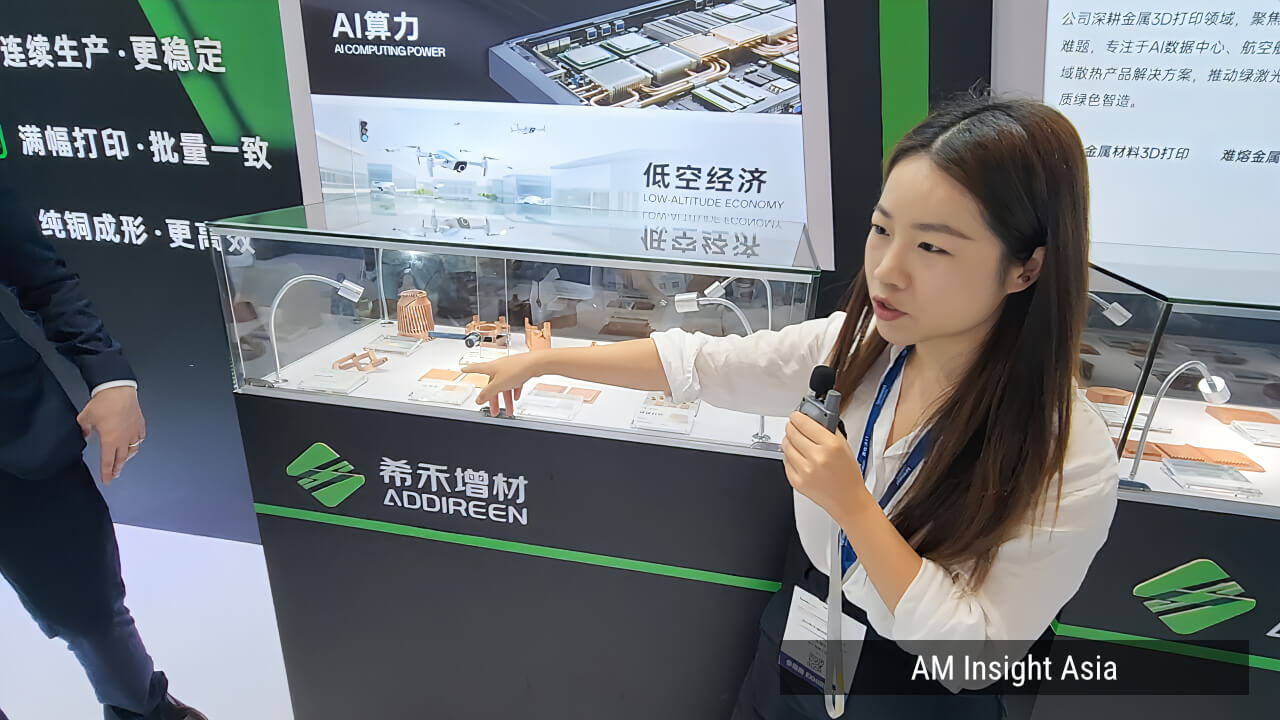
The show floor was packed, and getting face time with key people at any given booth wasn’t easy. One thing Formnext does well is arrange for exhibitors’ key people to be available in advance, so press can be guided through several companies at once on a media tour. This year’s tour covered notable companies across metal AM, polymer AM and AI.
Materials keep expanding
The materials category grew a striking 76% year on year in 2025. Walking the floor, the sheer number of filament makers and resellers stood out. On the metal powder side, companies like Avimetal, which makes titanium, nickel, aluminum and other alloy powders, were also present, though polymer, materials included, had a bigger presence overall than metal, possibly because Shenzhen and the wider Greater Bay Area concentrate so many consumer-facing companies and print farms. Chinese 3D printer exports reaching 3.62 million units, worth $1.43 billion, in the first half of 2026 alone is likely a factor too: as machines proliferate, so does demand for the materials that go into them. More on this in a separate piece on polymer AM.
The 1st International 3D Printed Footwear Design Awards
The newly launched 1st International 3D Printed Footwear Design Awards drew more than 100 entries, with 30 awards given across design, brands, manufacturing equipment and materials. Footwearology founder Nicoline van Enter chaired the jury. Printed shoes were on display throughout the show, and the fact that organizers created an award specifically for 3D printed footwear says something about how much attention the category is drawing.
Alongside process-specific design awards for FDM, DLP/LCD and MJF/SLS, several brand-level special awards were introduced. The Pathfinder Award, for the brand that moved earliest into this space, went to ANTA; the Trusted Choice Award, for the most popular 3D-printed footwear of the year, went to STARAY; and the Rising Star Award, for an emerging brand with strong growth potential, went to CALLNAK. That ANTA, the Chinese sportswear giant and the largest shareholder of Amer Sports (whose brands include Arc’teryx and Salomon), won a footwear-AM award is one sign that 3D printed shoes are moving out of niche experimentation and into the mainstream interest of major brands.
Metal, polymer, and AI: three different stories
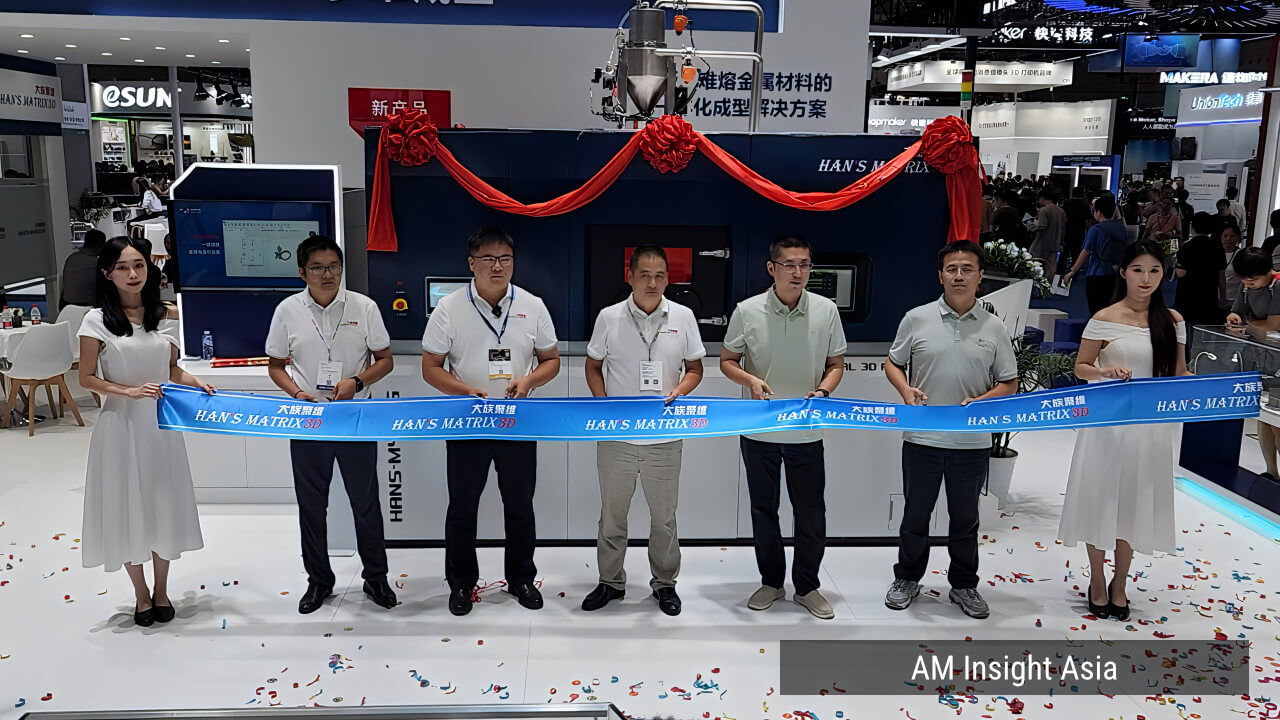
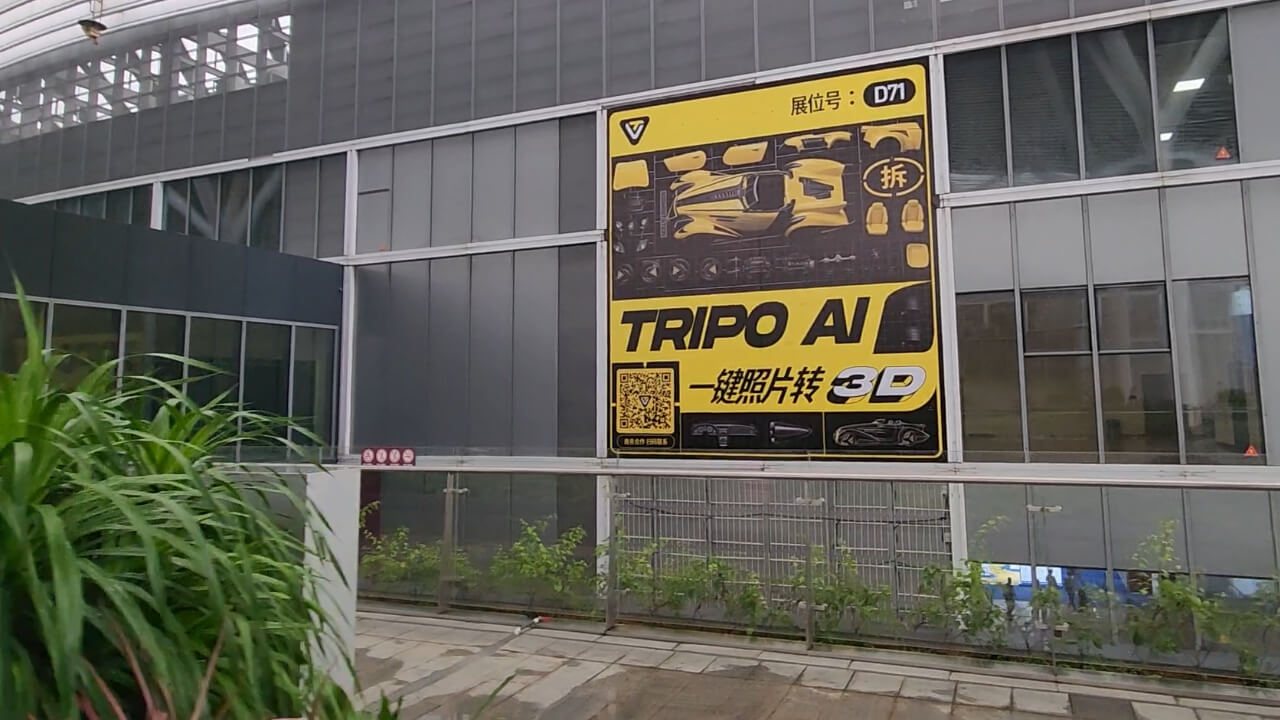
The show floor told three different stories depending on where you looked. In metal AM, established players like BLT, Farsoon and HBD shared floor space with a strong presence from Kings 3D, while companies like Addireen and Han’s Matrix3D introduced new products centered on thermal-management parts for AI servers, such as copper cold plates. Han’s Matrix3D unveiled its dual-laser M420G, aimed at volume production of copper and thermal-management components. On the desktop side, alongside booths from Bambu Lab and Elegoo, Creality gave the domestic debut of its new K3, equipped with an automatic nozzle-swap system called KliTek, while Snapmaker showed off prints made with its proprietary Full Spectrum color technology. On the industrial polymer side, HP gave the Asia-Pacific debut of its new MJF 1200, and TPM 3D Printing Technology unveiled its new CF-250 SLS machine, a reminder that large-format industrial players were part of the mix too. One surprise: Epson, known mainly for consumer and office printers, exhibited at Formnext Asia Shenzhen for the first time. On the AI side, booths from Meshy AI and Tripo AI drew crowds of their own; Tripo AI in particular had put up a large billboard on the road to the venue, a sign of how much it’s investing in visibility. More on each of these areas, metal, polymer, and AI, in separate pieces.
Forums drew strong crowds too
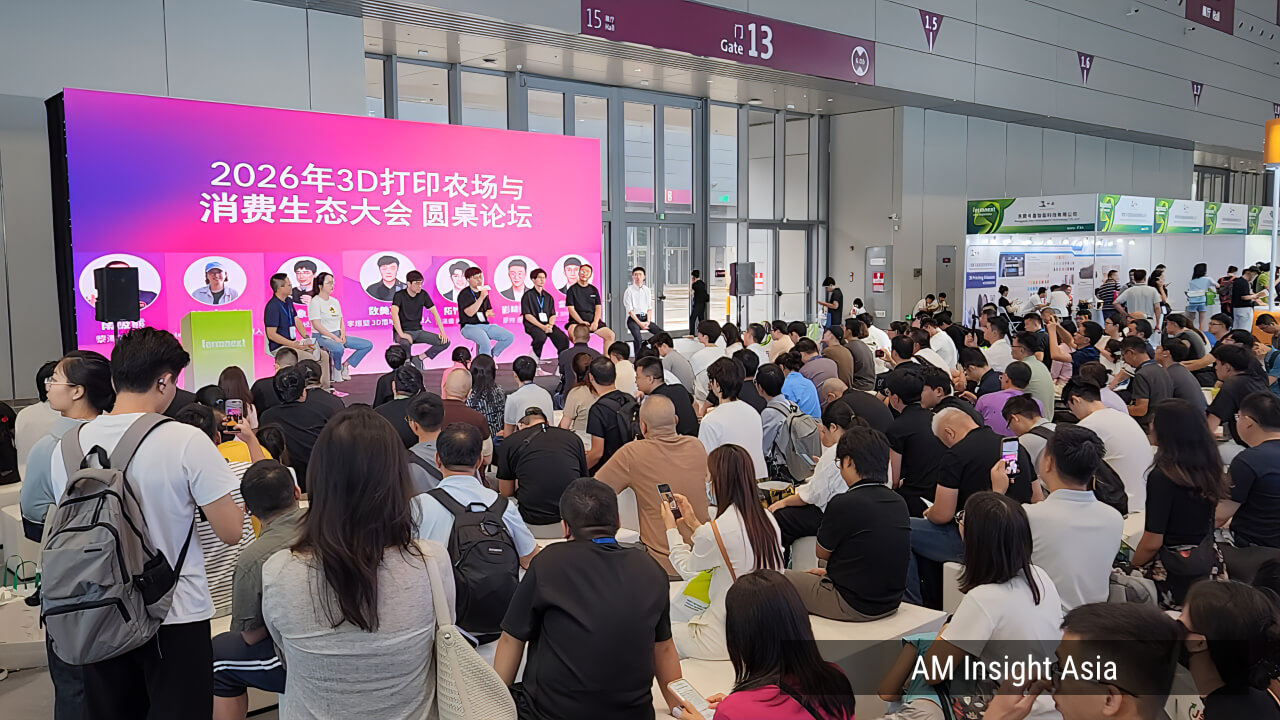
he show ran 13 forum sessions with more than 100 presentations in total, organized around feature themes including AI and data center thermal management; robotics and embodied intelligence; 3C electronics and smartphones; and mold making, binder jetting and laser AM. The roundtable for the China 3D Print Farm and Consumer-Grade AM Ecosystem Conference drew a standing-room crowd.
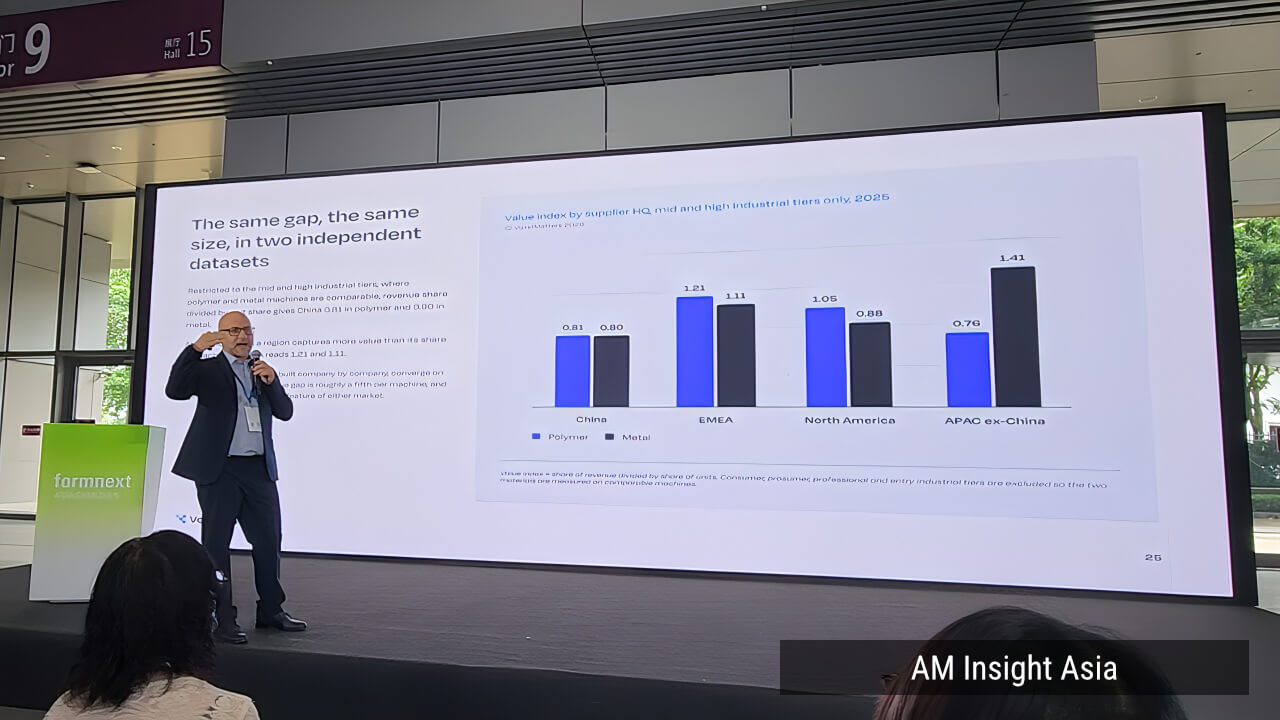
Davide Sher, co-founder and CEO of VoxelMatters, spoke at the Overseas Market Opportunities for Chinese 3D Printing Companies Seminar, delivering a talk titled “From Mass Adoption to High-end Value: The Chinese AM Playbook for Europe.” Using the expansion of Chinese carmakers into Europe as a model, he argued that Chinese AM companies could use their manufacturing efficiency and volume in lower-price segments as a stepping stone into higher-value industrial AM markets in Europe.
AM alone isn’t enough: hybrid approaches are spreading
The show floor also revealed the limits of AM on its own. Alongside companies offering post-processing for polymer parts meant for outdoor use, such as weather-resistant coatings, desktop CNC makers like Makera and Infimaker, which showed off its five-axis desktop CNC machine, the K1, also had a strong presence.
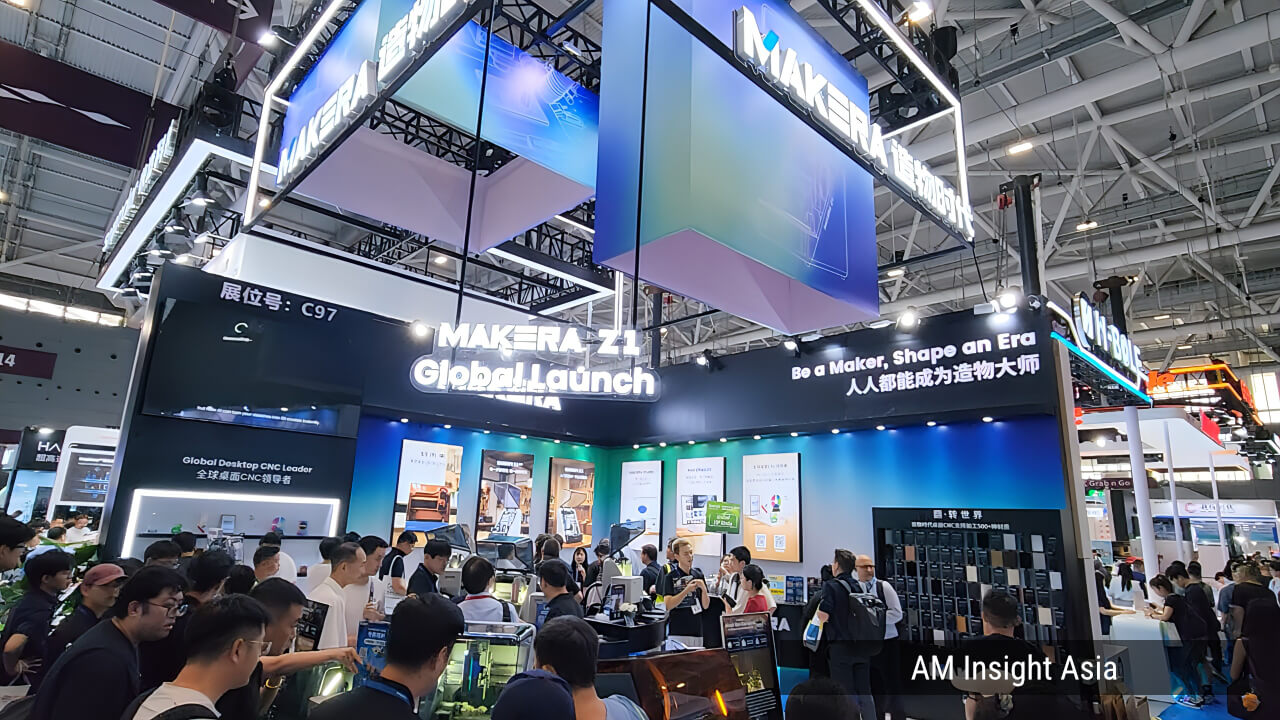
What users actually want isn’t “something made by AM,” it’s simply the thing they need. When AM alone can’t deliver the strength, weather resistance or precision required, it has to be paired with CNC machining or finished with post-processing like coatings. The volume of CNC and post-processing exhibitors on the floor, in AMIA’s view, points to a hybridization trend taking hold, where AM is treated as one tool among several rather than a standalone manufacturing method.
Behind the growth, a fast-changing lineup
Comparing the share of first-time exhibitors year over year, it rose from about 49% in 2025 to 63.5% in 2026, meaning the turnover itself is intensifying. That shift in exhibitor churn is arguably more striking than the 60.5% growth in floor space, and it suggests supply is struggling to keep pace with a rapidly expanding market, with companies entering and exiting as everyone searches for equilibrium.
On the demand side, the co-located PCIM Asia Shenzhen recorded 25,313 visits, and the official photo livestream drew more than 360,000 views. Visitor numbers and online interest are both climbing steadily, even as exhibitors churn through rapid turnover trying to keep up. Growth and turnover aren’t contradictory here; they’re two sides of the same fast-growing market.
AM Insight Asia Perspective
Shenzhen’s AM market is in the middle of a rapid growth phase, and in AMIA’s view, any real sorting-out is still ahead. Chinese 3D printer exports have reached the scale of millions of units, and as machine adoption has settled into a steadier pattern, demand has shifted toward materials and consumables. New entrants have poured in to chase that demand, and the result is a level of exhibitor turnover high enough to reshuffle the lineup significantly within a single year. Walking the floor, what struck me was how many booths were pushing similar products, leaving little basis for deciding which companies deserved closer attention. Put another way, this is still a stage where a large number of companies are crowding in around similar offerings. What matters now is how established players respond to the constant stream of new entrants, and how those newcomers make up for weak name recognition and trust through marketing and branding. This dynamic is sharpest in materials and filament, which we’ll cover in a separate piece on polymer AM.
It’s also worth noting that some exhibits at the show appeared to clearly infringe on copyrights or character IP. AMIA’s coverage doesn’t feature these exhibitors, including in photographs.
About the Company
The Messe Frankfurt Group is one of the world’s largest trade fair, congress and event organizers with its own exhibition grounds, employing around 2,700 people at its Frankfurt am Main headquarters and across 29 subsidiaries worldwide. Group sales for fiscal year 2025 were about €766 million. Formnext Asia Shenzhen is organized by Guangzhou Guangya Messe Frankfurt Co Ltd as part of the international Formnext family, the world’s largest trade fair for additive manufacturing. The next edition of Formnext in Frankfurt runs November 17-20, 2026.