Can a desktop metal 3D printer really do this much? From parts to jewelry, the print samples we saw at the show, plus copper alloy support
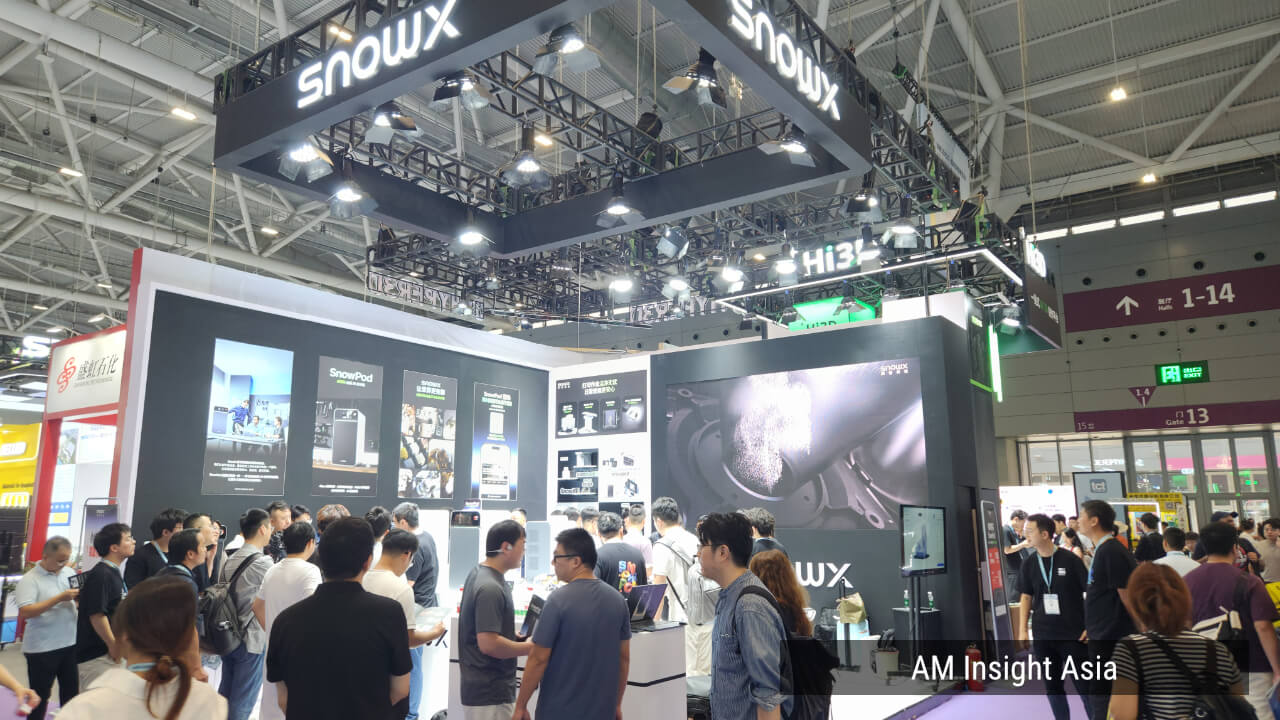
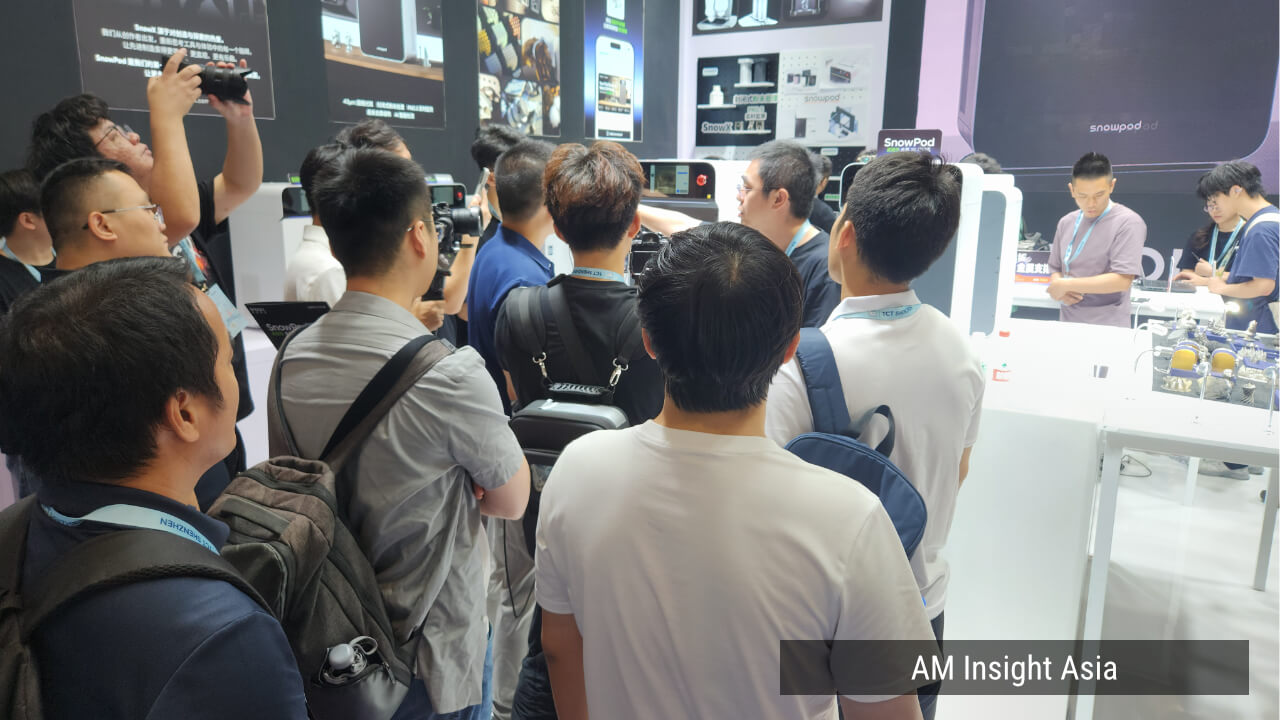
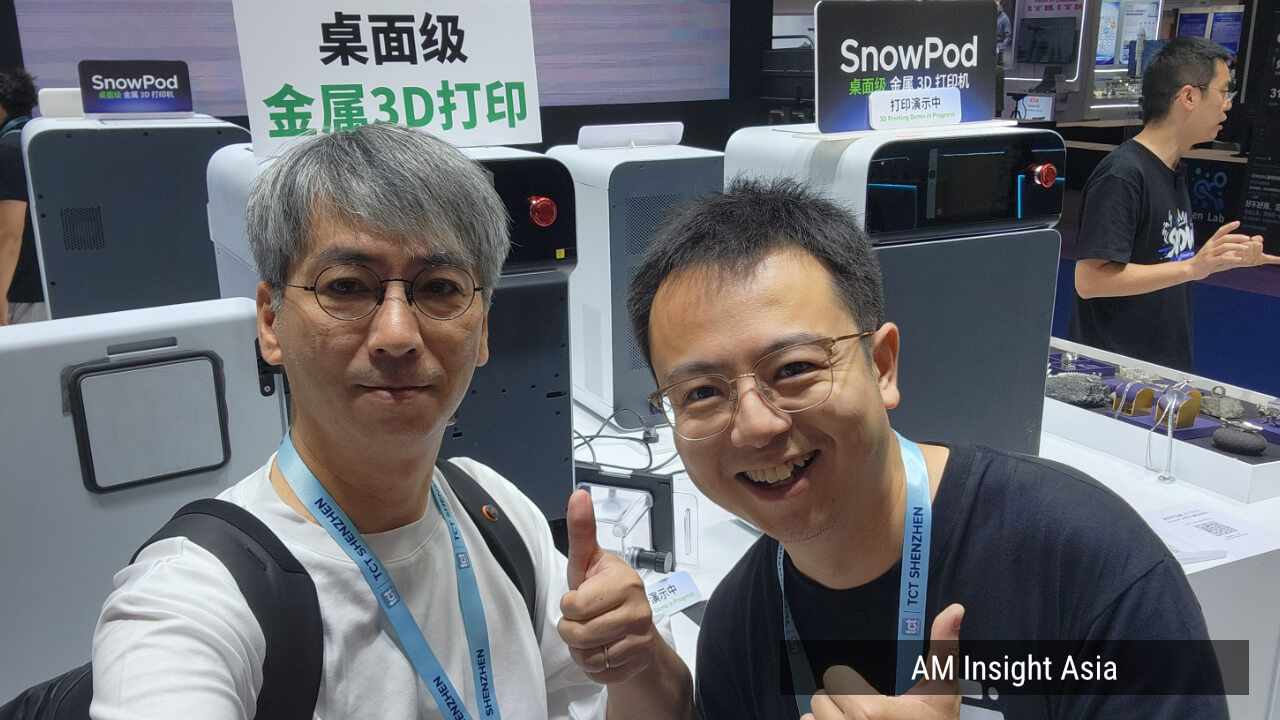
We covered the specs of SnowPod, the desktop SLM metal 3D printer from China’s SnowX, when we published its press release in September (previous article). At TCT Shenzhen 2026, held in Shenzhen from October 14 to 16, the company’s booth never emptied, and camera crews kept filming throughout the show. It was one of the busiest booths at the event. Since we had already reported what is known so far, we hesitated over whether to write another piece. In the end, we wanted readers to see the quality we saw at the show for themselves, so this article is built around photos.
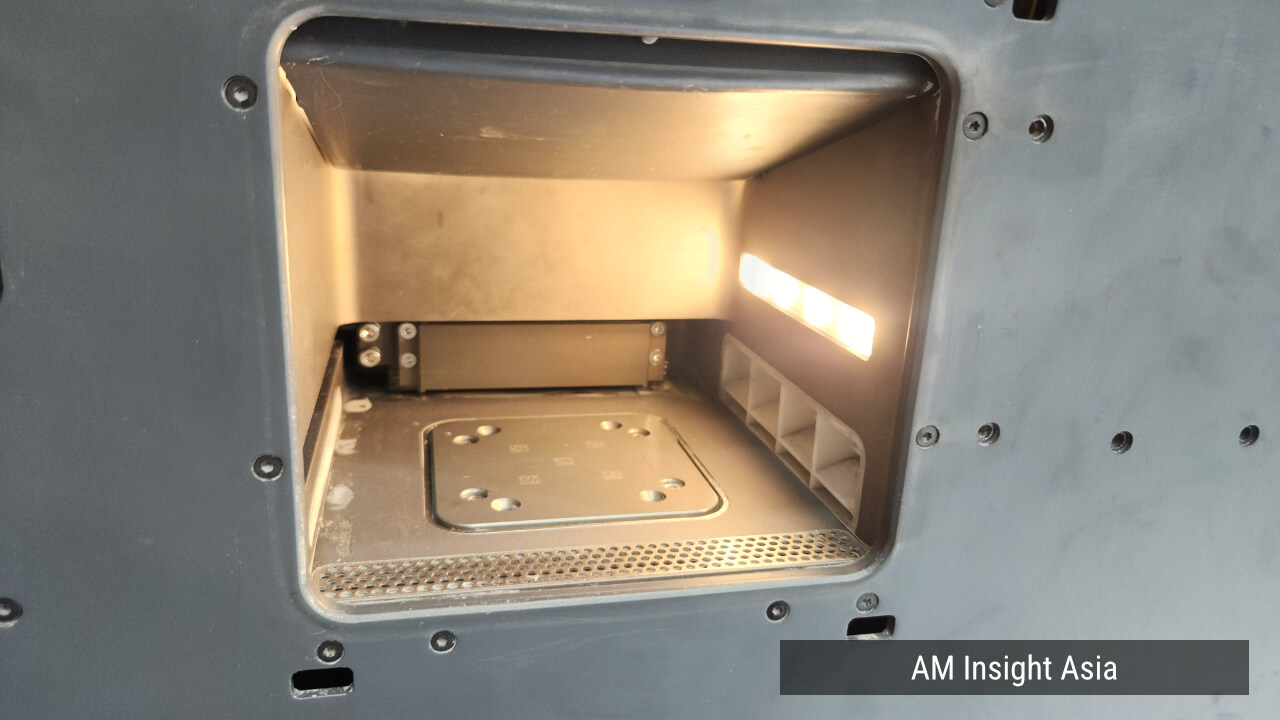
The Build Chamber and Cartridge-Based Powder
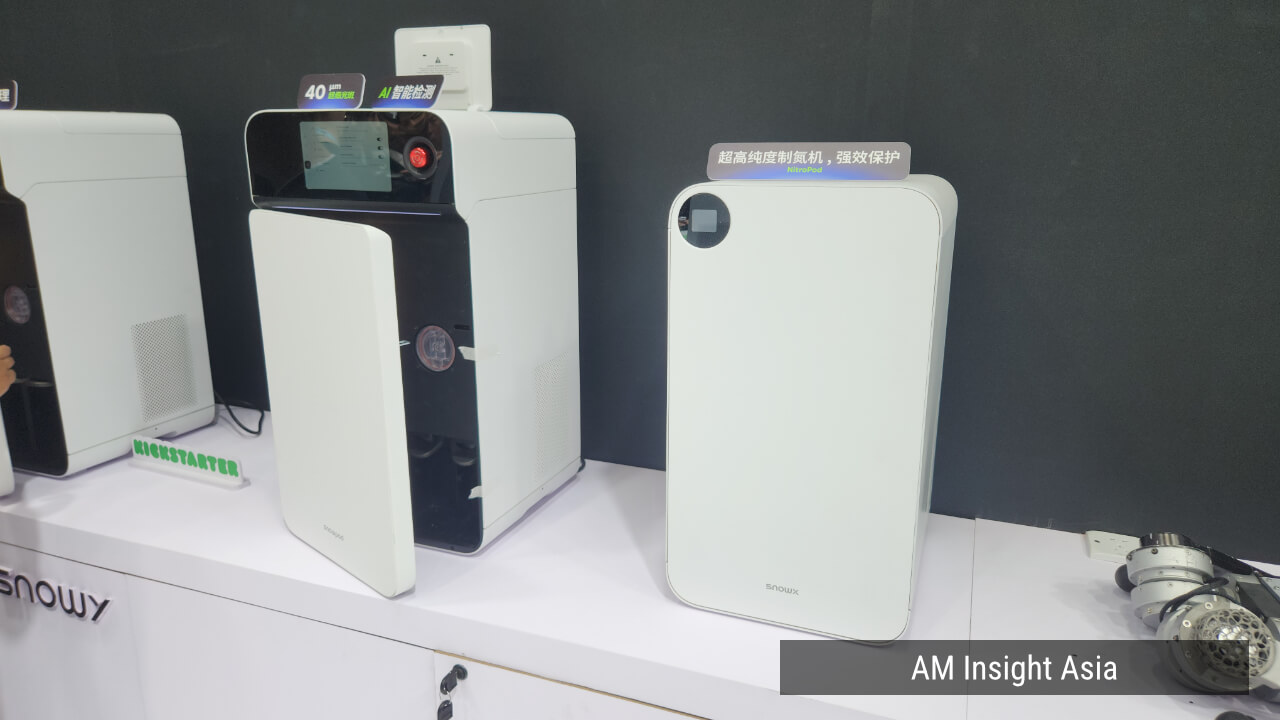
SnowPod’s build volume is 80 × 80 × 100 mm, and the build chamber behind the door is sized to match.
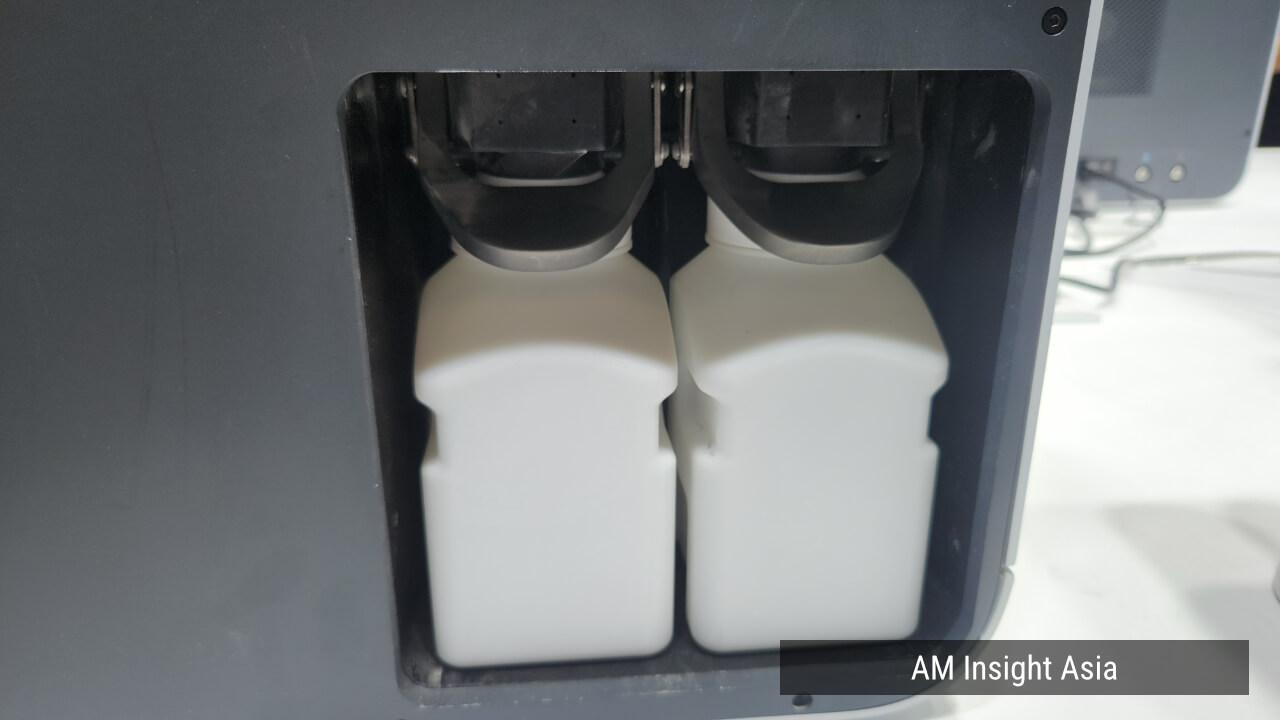
Metal powder is sold in cartridges that load into the machine. Swapping them is easy, and users have fewer occasions to handle powder directly.
The inert atmosphere needed for printing comes from NitroPod, a dedicated nitrogen generator, which was displayed next to SnowPod at the booth.
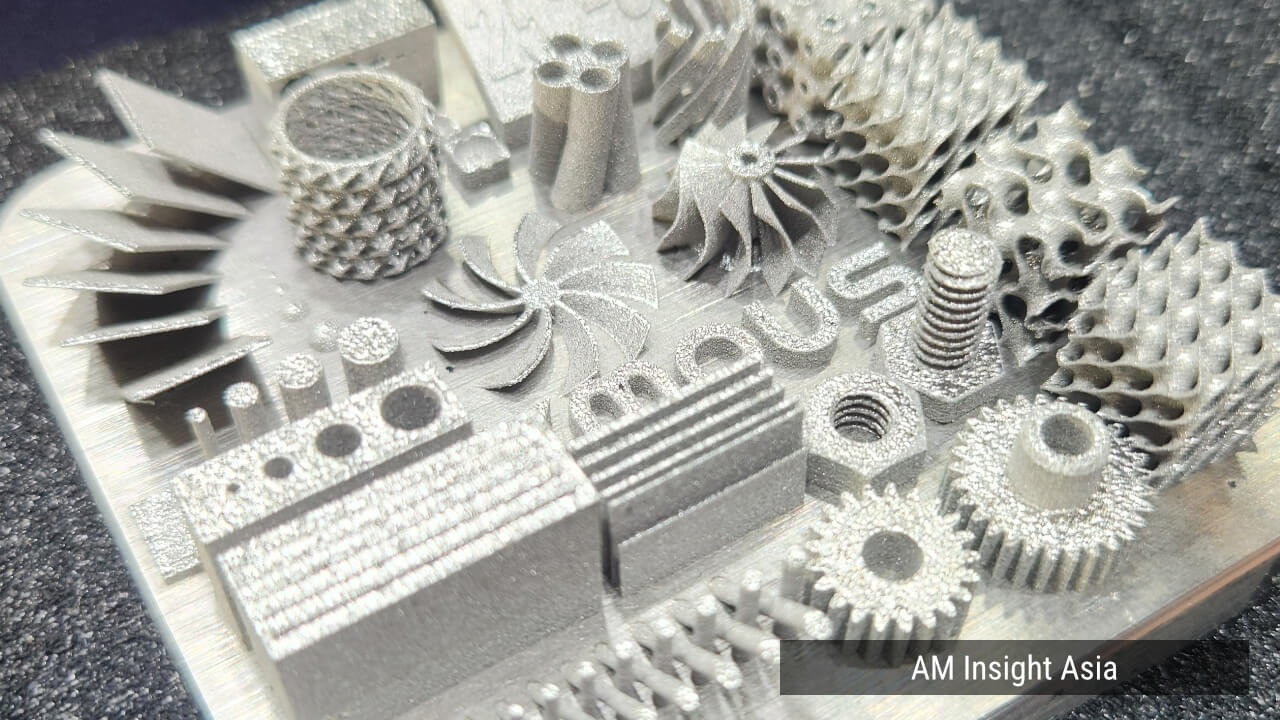
Many Shapes Packed onto a Single Build Plate
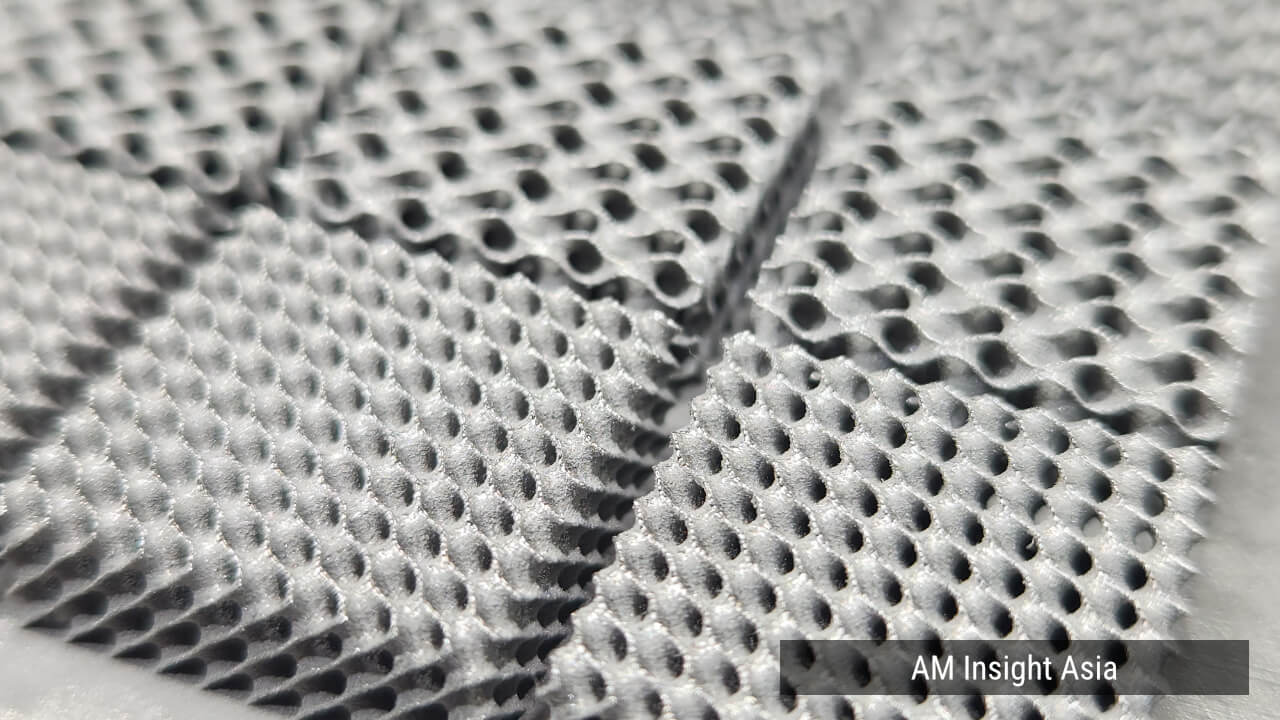
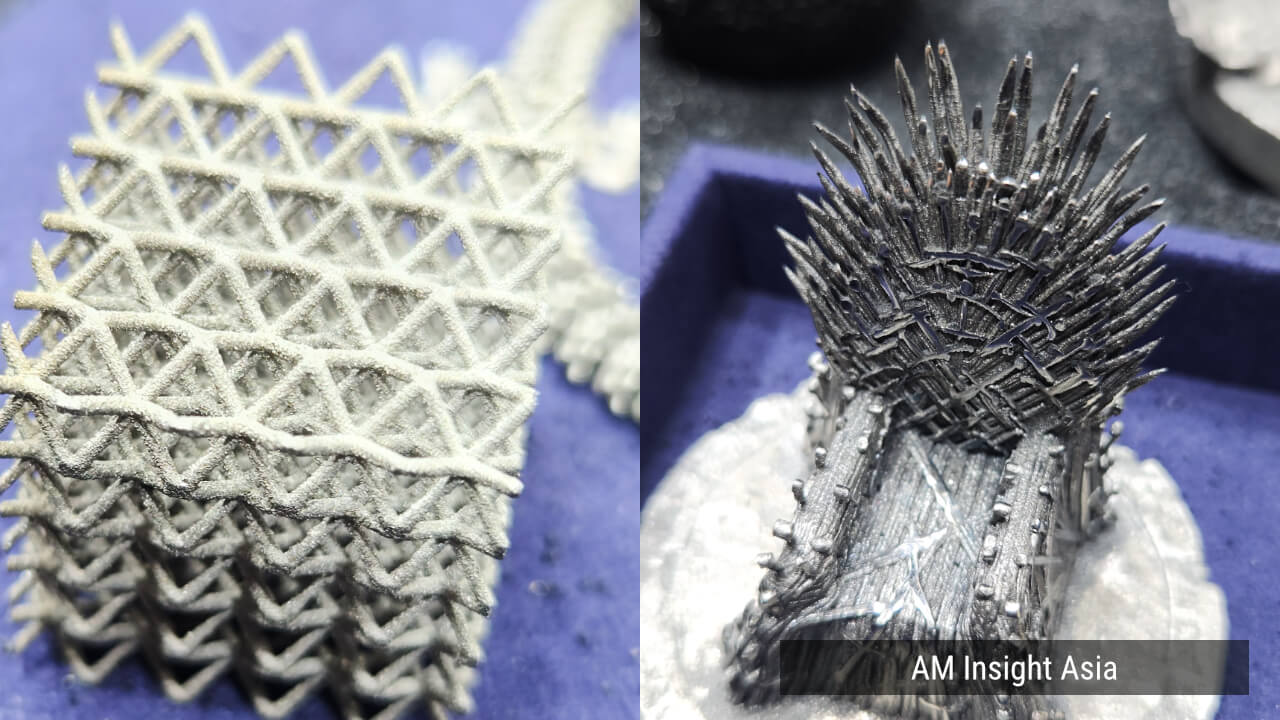
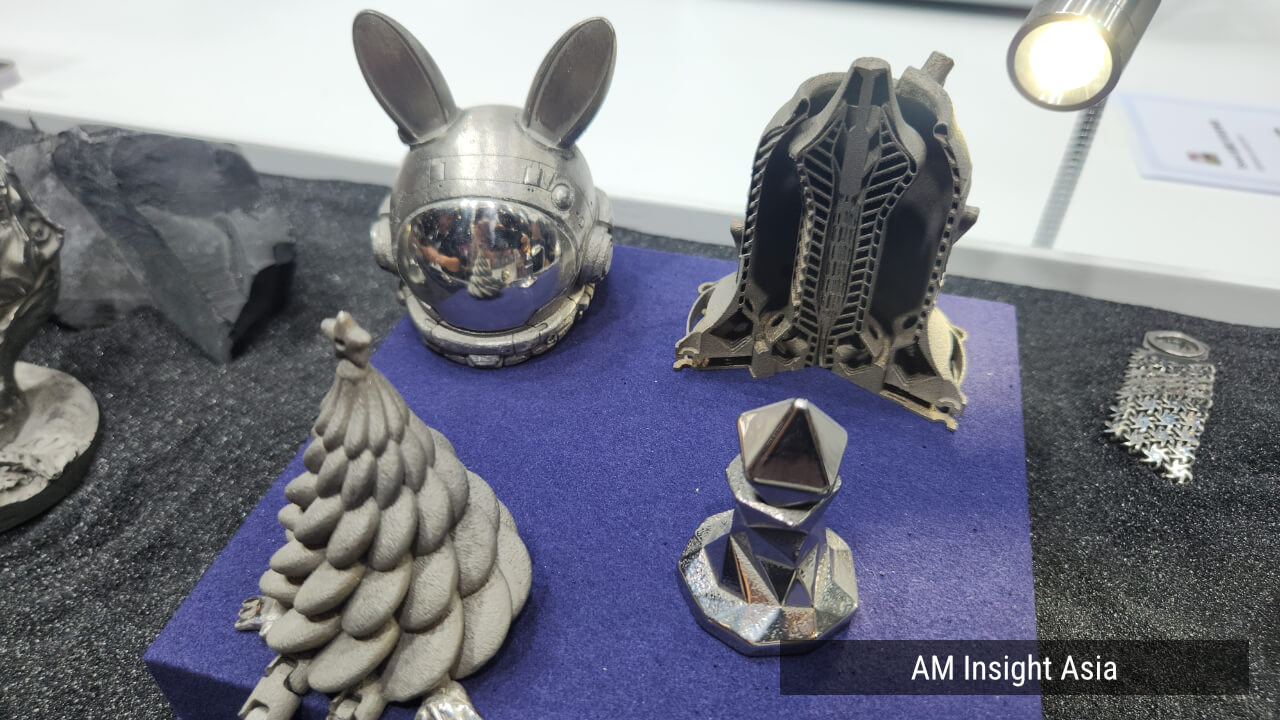
On an as-printed build plate, gears, an impeller, threaded parts, lattices and thin fins sit packed side by side.
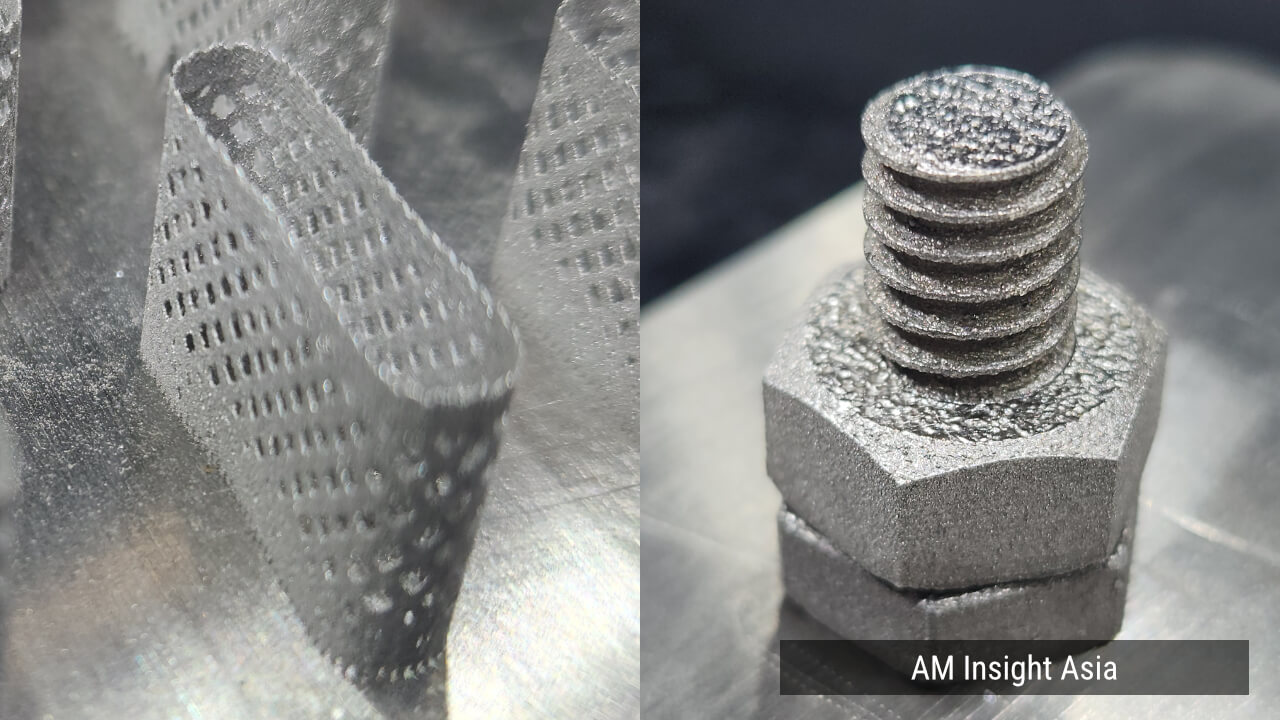
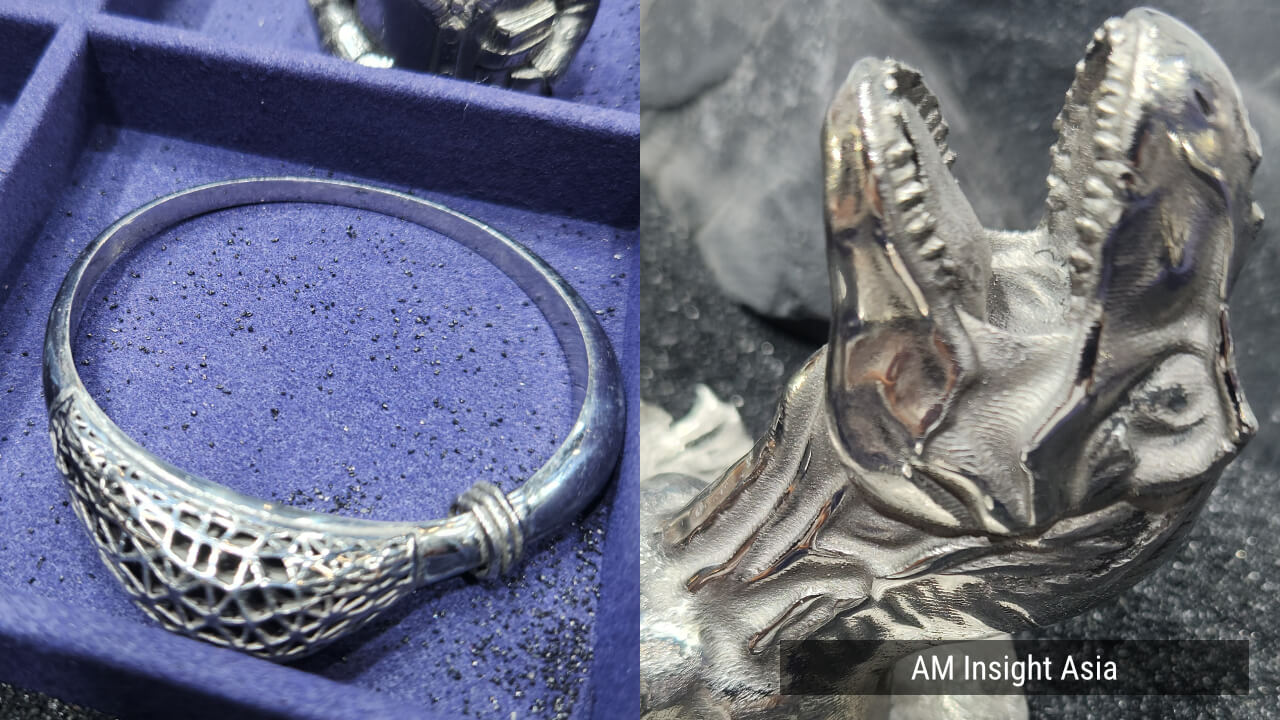
Bolt threads, thin perforated walls, the slender struts of a lattice. The fine detail a 40 μm laser spot is designed for comes into view in close-up.
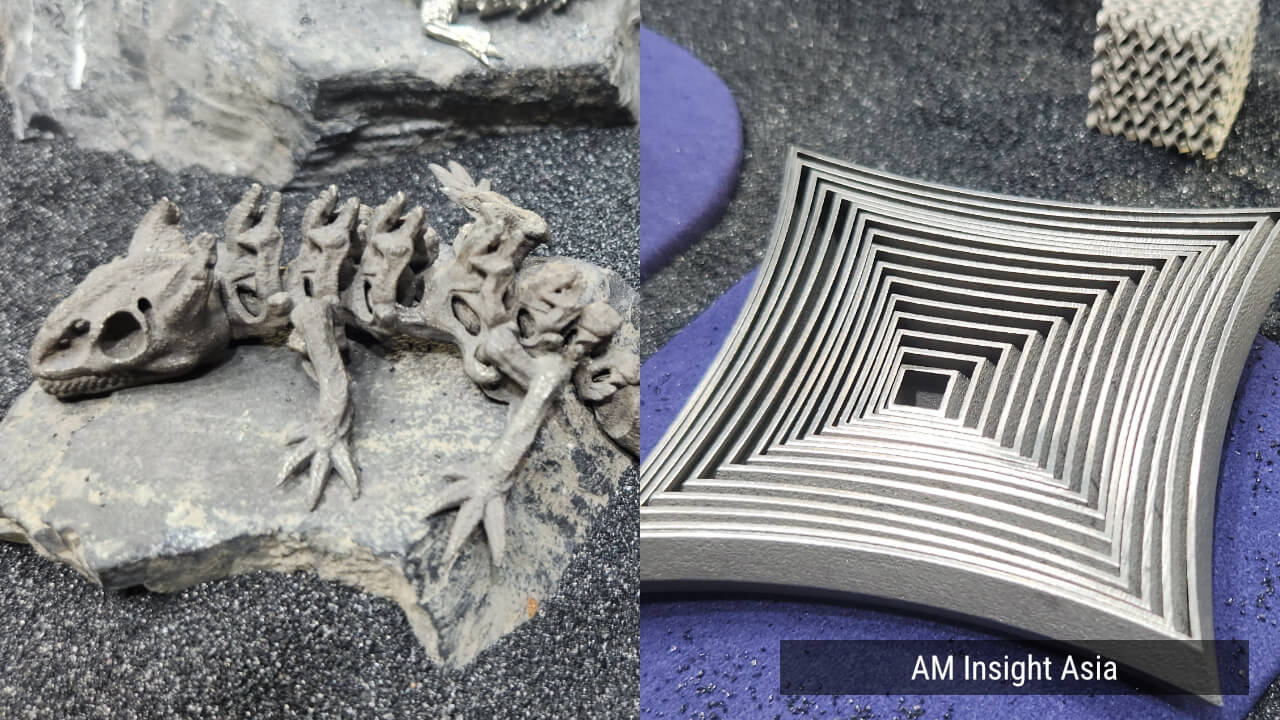
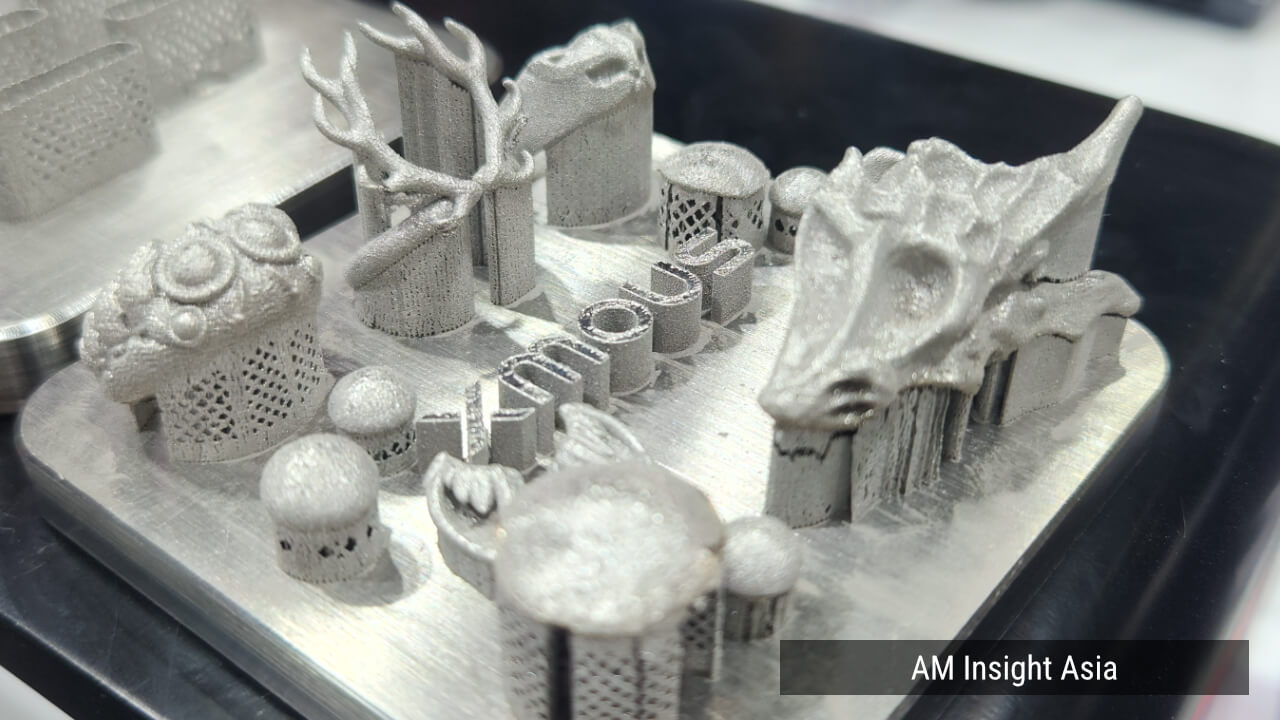
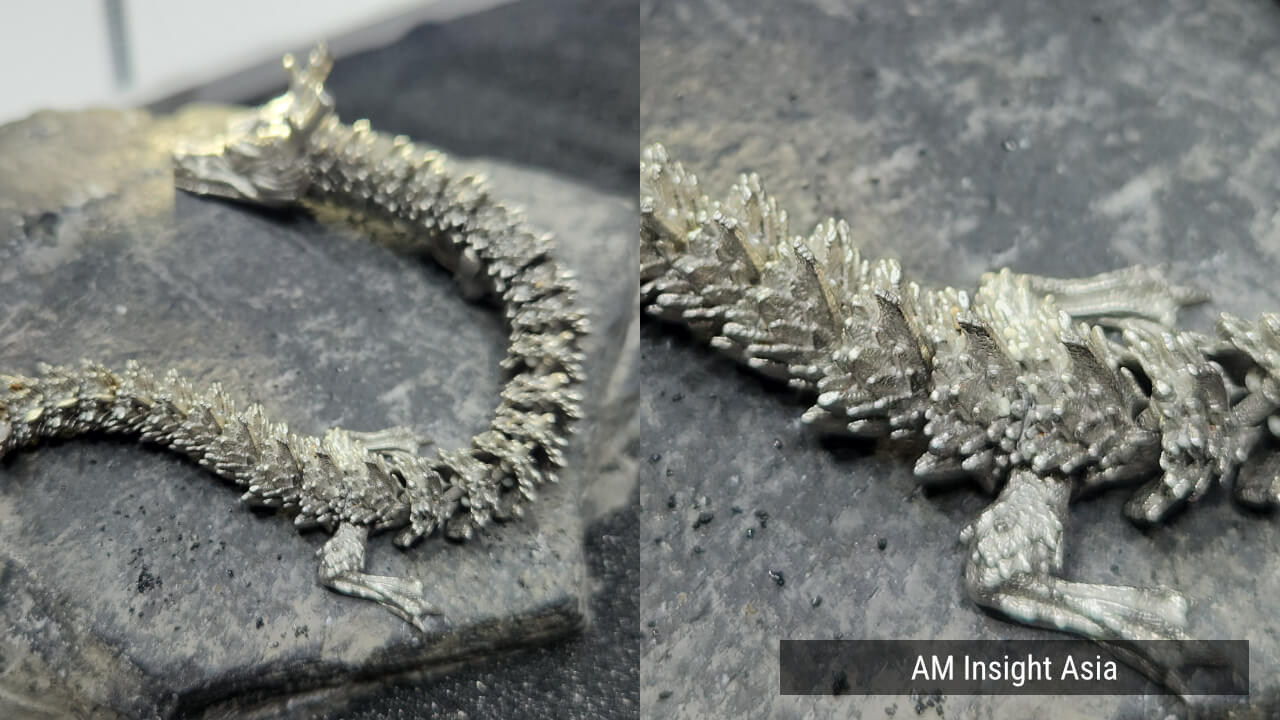
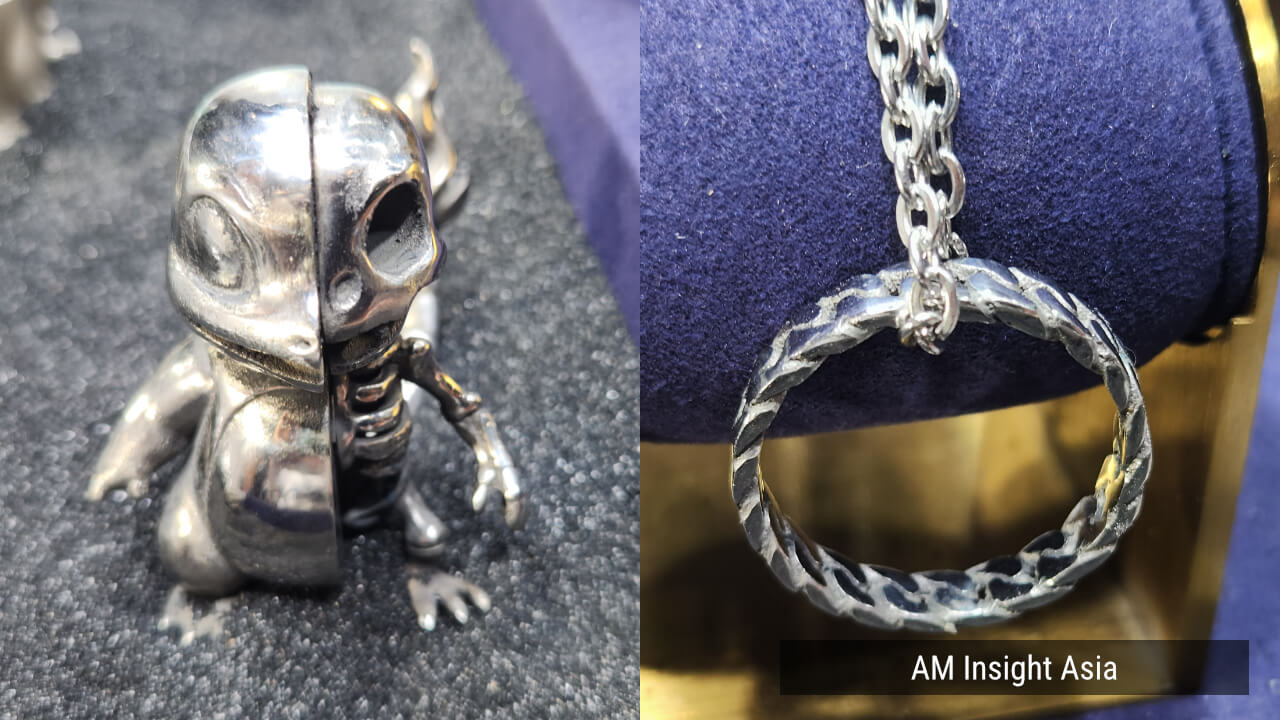
Printed in one piece with its joints in place, the dragon moves without any assembly.
Jewelry and Figures Transformed by Polishing
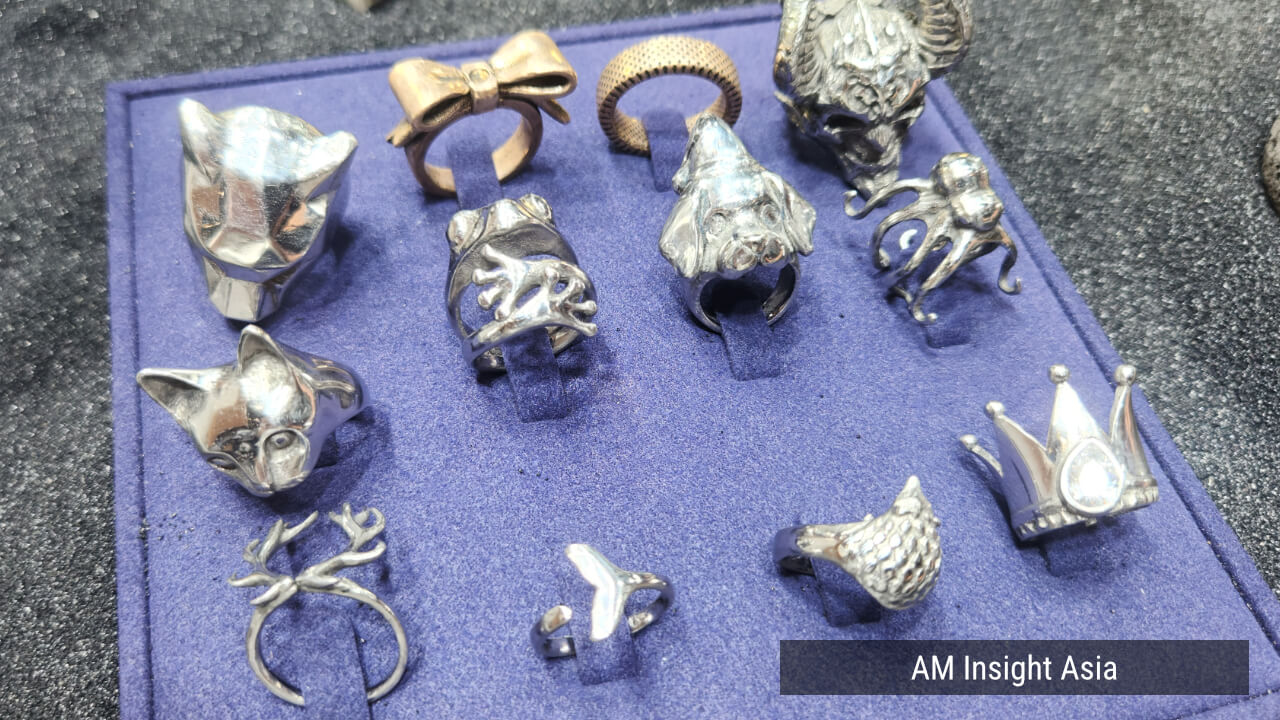
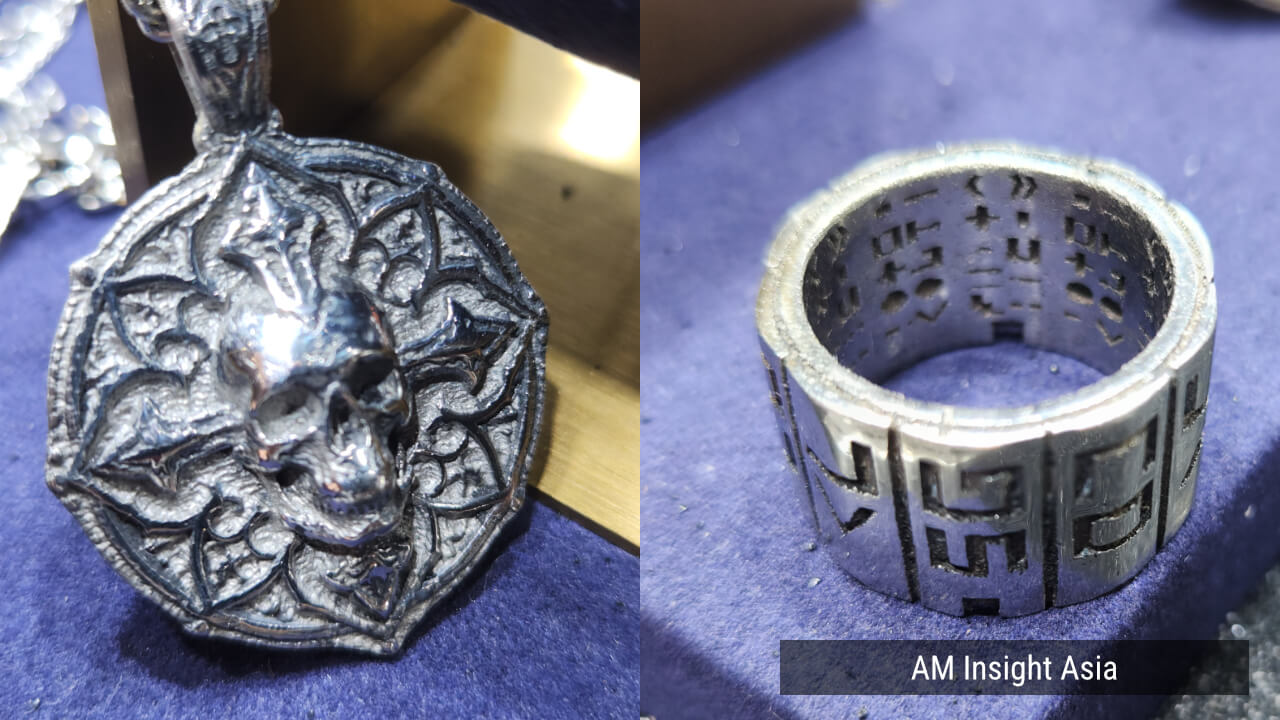
Among the rings, pendants and figures on display, as-printed pieces sat beside ones polished to a mirror finish, making it easy to compare how much post-processing changes the result.
Copper Alloys Alongside Stainless Steel
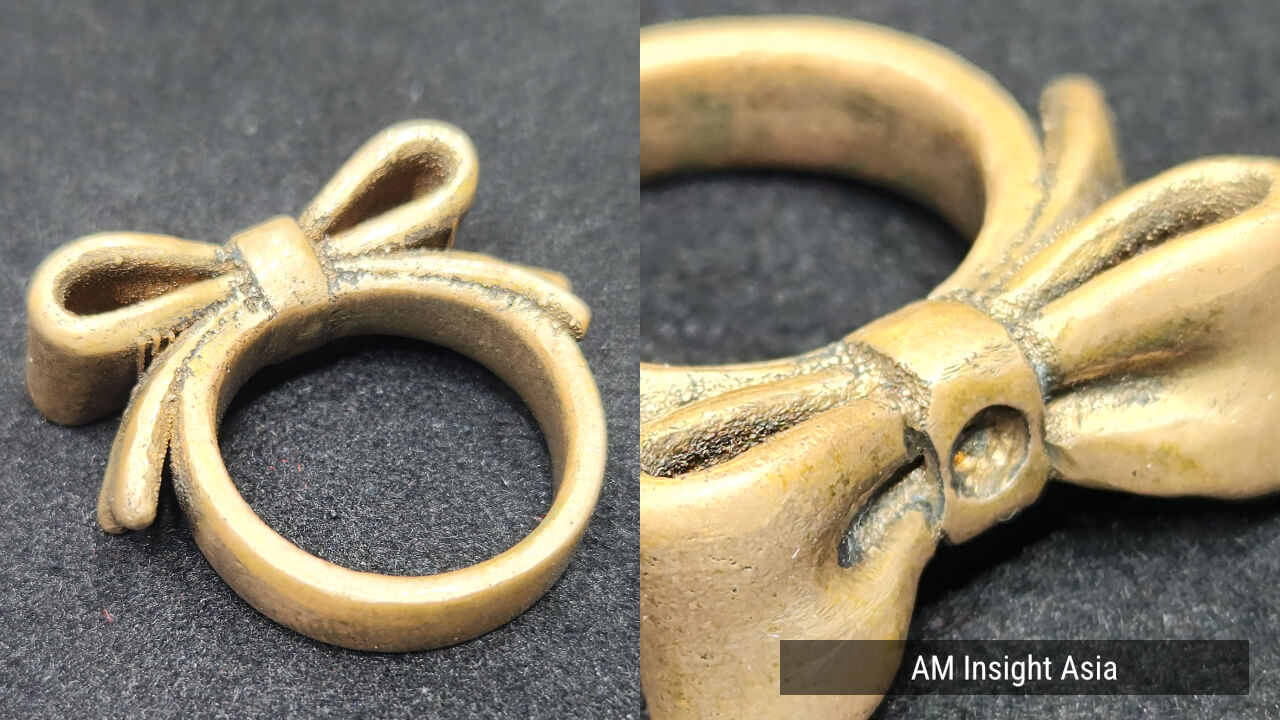
The press release listed 316L stainless steel as the supported material, but according to explanations at the booth, SnowPod also works with copper alloys. The gold-colored bow-shaped ring was printed in copper alloy.
Support Generation in SnowPath
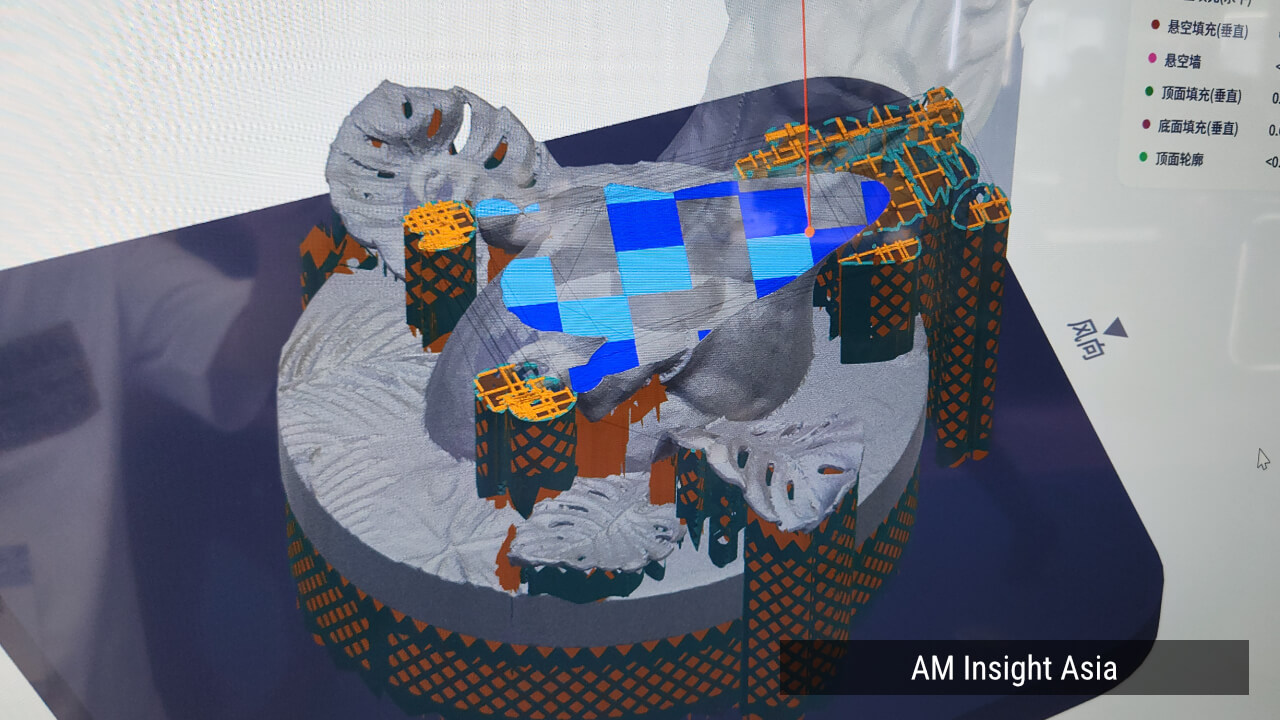
On screen, SnowPath, SnowX’s in-house slicing software, showed supports generated to fit the shape of the model.
AM Insight Asia Perspective
The booth displayed everything from industrial test parts to jewelry and figures, showing the range of users SnowPod is meant for. SnowX lists jewelry and artwork among its applications and is building a community partly aimed at artists and designers. Copper alloy support widens that range further.
In jewelry making, the usual route is to print a master in resin and send it out for lost-wax casting to turn it into metal. Printing metal directly on a desktop lets creators skip that outsourced step. In jewelry, SnowPod competes less with industrial SLM makers than with the combination of resin printers and casting services.
We can also see creators who have relied mainly on polymer 3D printers beginning to work in metal, and that shift has only just started. Creators around the world struggle to make a living from their work, and turning an idea or design into a real product to sell has long meant clearing a high bar. Being able to finish a metal product on their own desk lowers one of those barriers.
Industrial use is in view as well. Specialized metal parts that cannot be bought off the shelf, such as jigs and components for robots, robotic arms and drones, may become easier to put to use. SnowX itself lists mechanical and robotics components among SnowPod’s applications.
Selling powder in cartridges is an attempt to remove the hassle of handling powder, and it also creates a structure that keeps earning revenue from consumables after the machine is sold. What to watch next is the machine price on Kickstarter, along with the price of each cartridge and how much it can print. Whether that total comes in below outsourcing for creators will decide how fast SnowPod spreads. There is no official pricing yet, but information has started to circulate on X that the Kickstarter campaign price will be under US$6,000. We will wait for the official announcement.
About the Company
SnowX is based in Suzhou, Jiangsu Province, China, and develops SnowPod, a desktop SLM metal 3D printer, along with NitroPod, a dedicated nitrogen generator, and SnowPath, its slicing software. SnowPod is scheduled to launch on Kickstarter in Q4 2026. Website: snowx.com