From Single-Function Performance Races to Feature-Fusion Competition
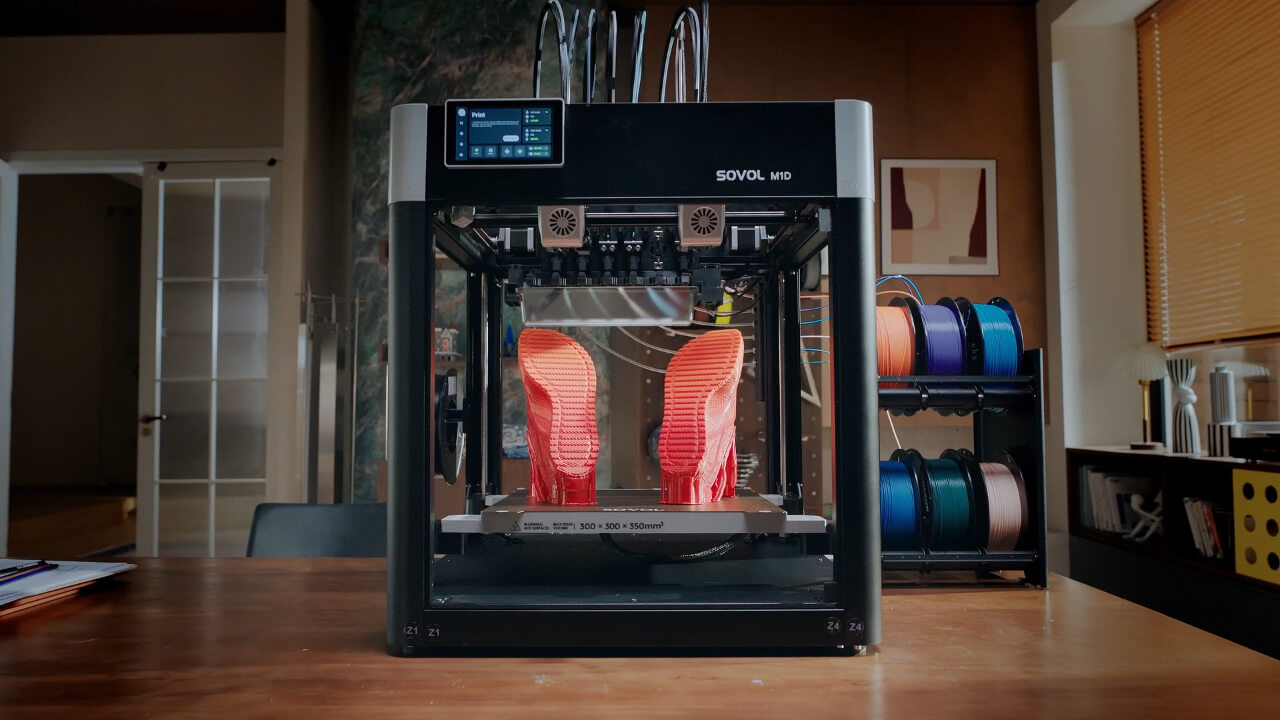
Shenzhen-based Sovol announced the global launch of its new desktop 3D printer, the M1D, on July 24, 2026. The machine’s “DualX System” combines an Independent Dual Extruder (IDEX) with a tool changer, allowing up to seven colors or materials in a single print and simultaneous printing of two parts on one machine. For print farm operators who have long wrestled with material waste and production efficiency, this is a launch worth weighing when choosing equipment.
DualX System Specs and Features
The M1D has a build volume of 300x300x350mm. At the core is the DualX System, which pairs one fixed extruder with six swappable toolheads, allowing up to seven colors or materials within a single print. Sovol describes the M1D as its first printer to combine IDEX with a tool changer.
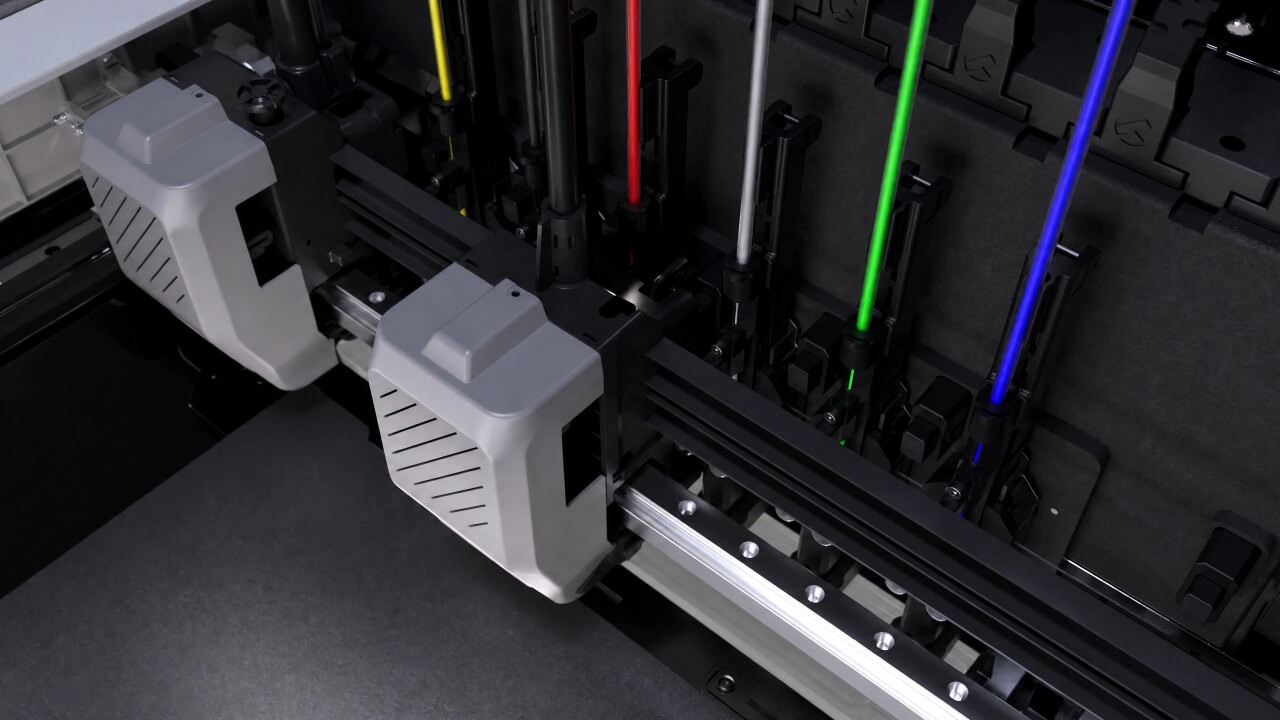
Toolhead swaps take under five seconds, and Sovol says the system cuts material waste by more than 90% compared with conventional single-nozzle multi-color systems such as AMS. Each toolhead has its own independent heating, cooling, and sealed filament pathway, along with an all-metal extruder assembly and hardened steel nozzle built for high-temperature materials. Specific figures for maximum temperature or supported materials had not been disclosed at the time of writing.
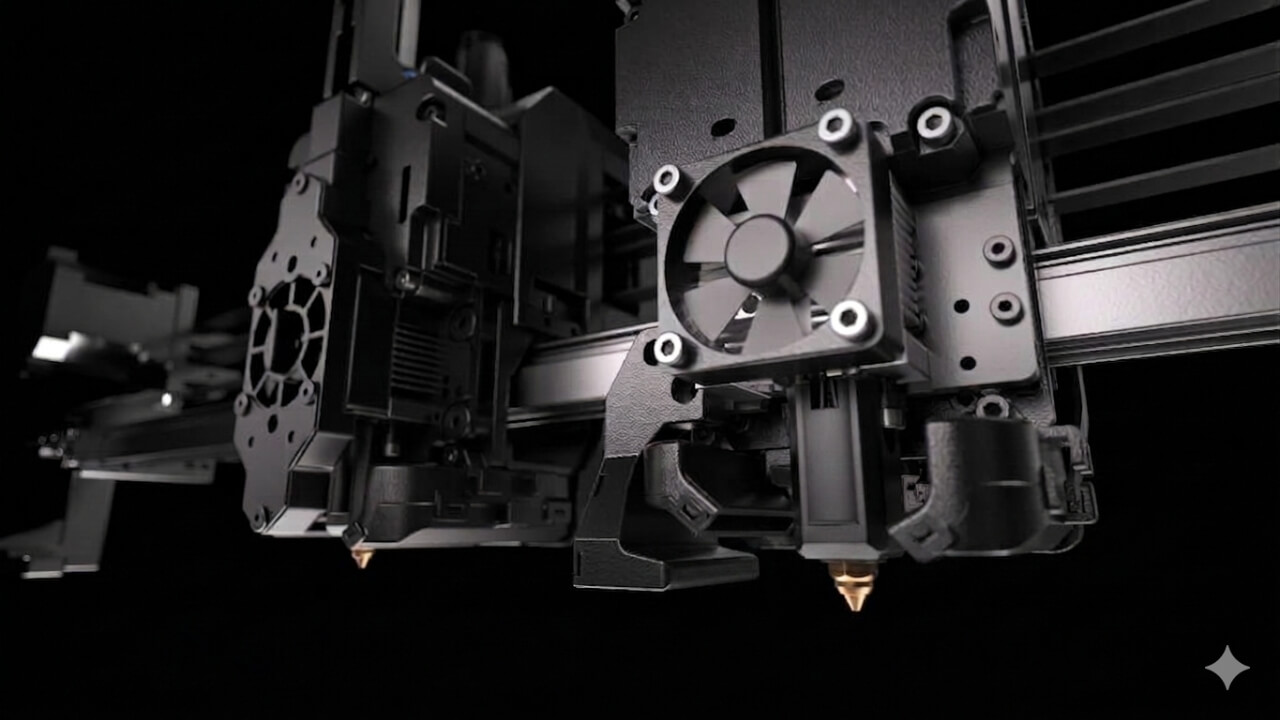
The printer offers four modes: Multi, Mirror, Single, and Copy. Multi mode combines colors, materials, and support filament within a single print. Mirror mode prints two symmetrical parts simultaneously, while Copy mode prints two identical parts at once, a feature Sovol positions for small-batch production and print farms. Neither mode lets you print two arbitrary, unrelated parts at the same time; both are limited to symmetrical or identical pairs. Single mode uses just one nozzle for standard prints that don’t require multiple heads.
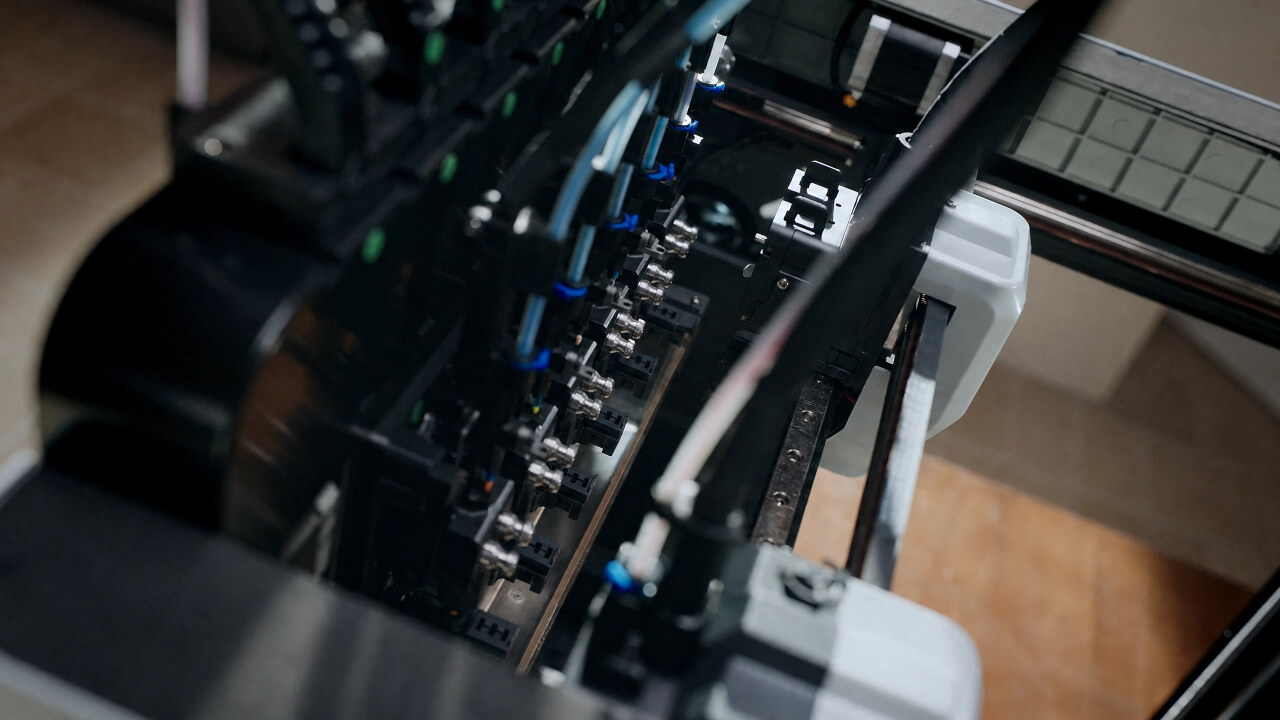
On calibration, the M1D uses camera-based automatic XY offset adjustment, said to be 2.5 times faster than probe-based methods. Its automatic Z-lift mechanism isn’t about drift over time. It continuously corrects for the height difference that can arise each time a toolhead is swapped in, keeping the swappable head level with the fixed nozzle throughout printing, for consistent extrusion and stable multi-toolhead operation. The printer also uses eddy-current contactless bed leveling.
The firmware runs on Klipper, and Sovol has said it will open-source the firmware configurations along with customization documentation.
The M1D launched as a Kickstarter crowdfunding campaign on July 28, 2026. Two models are available: the open-frame M1D Essential and the enclosed M1D Advanced, which adds a heated chamber reaching up to 60°C. Super Early Bird pricing is $1,299 for the Essential and $1,599 for the Advanced, dropping to $1,199 and $1,499 respectively with a refundable $20 deposit. Deliveries are expected to begin in November 2026. As of this writing (August 1), the campaign has raised more than $3 million from close to 2,000 backers (Kickstarter page).
Feature Fusion as the Next Stage After IDEX Commoditization
IDEX itself isn’t new. BCN3D, Raise3D, and Snapmaker already offer IDEX machines, and Sovol has used the architecture before in earlier models like the SV04. Bambu Lab’s H2D also has two independent nozzles, but both are mounted on the same toolhead rather than on independently moving carriages, so it can’t run true IDEX functions like simultaneous mirror or copy printing across two separate zones. What’s new about the M1D is combining this now-commoditized IDEX architecture with a tool changer, a feature that had largely belonged to single-nozzle multi-color systems.
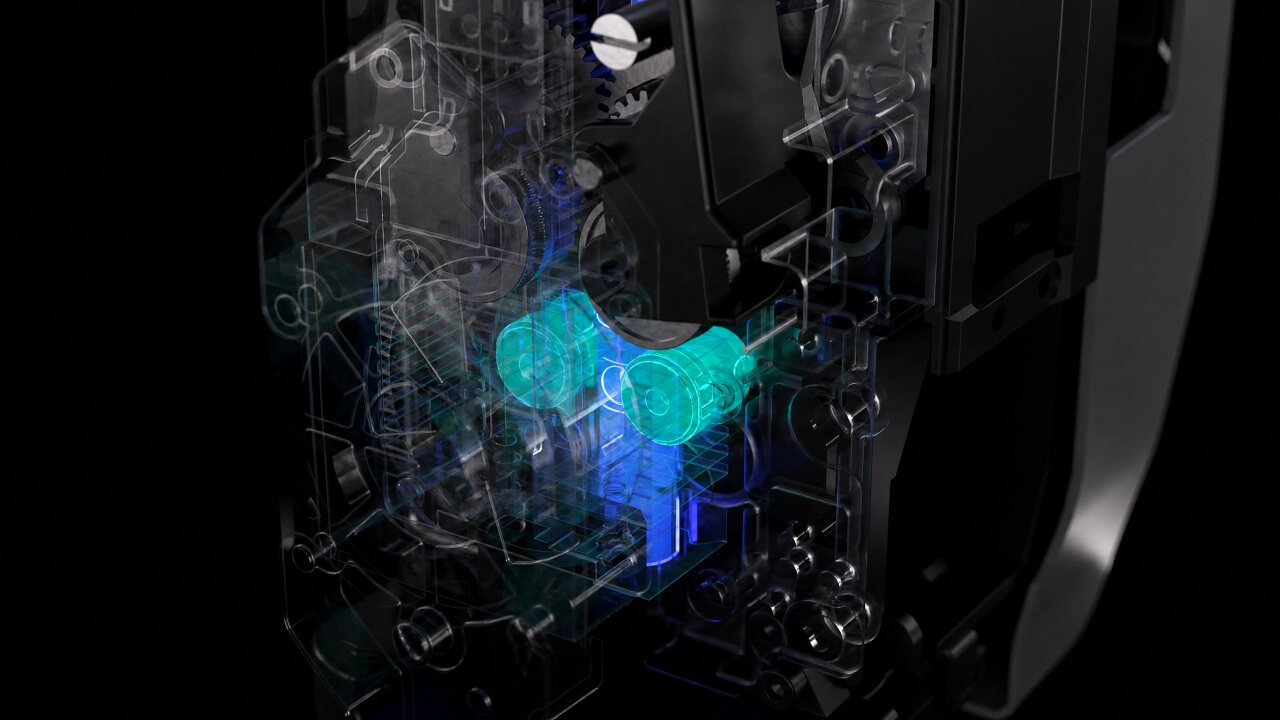
The efficiency gains this combination delivers split into two distinct axes. One is reduced material waste when switching colors or materials, addressing the purge-cycle problem that has dogged single-nozzle systems like Bambu Lab’s AMS. The other is IDEX’s contribution: simply getting more parts done per print run through Mirror and Copy modes, separate from color count. Finishing two parts at once makes it a better fit for small-batch and volume production. The M1D is positioned as a machine that brings both of these axes together in one unit. With some caveats, it’s not far from having two machines’ worth of output in the footprint of one. Put another way, it delivers more output per square foot of floor space.
One more point: the “open source” language in the announcement refers specifically to Klipper-based firmware configurations. Whether the DualX mechanical design itself will be disclosed or kept closed hasn’t been addressed either way as of this writing.
AM Insight Asia Perspective
With IDEX now commoditized, AMIA sees the competitive axis among Chinese manufacturers shifting from single-function performance races toward how well a company can integrate multiple functions into one machine without compromise. Community-building on the software side and how easily the hardware could be copied are, for now, separate questions. Sovol’s open-source, community-driven positioning also overlaps with Snapmaker, which offers its own IDEX machines. How the two companies differentiate from here is a point worth watching.
The implications for print farm operators are concrete, too. Lower material waste and higher utilization from simultaneous multi-part printing both feed directly into payback periods and the per-square-foot output mentioned above, making this a real factor in purchasing decisions. As the functional gap between hobbyist and production-grade machines narrows, price alone becomes a weaker basis for choosing a printer. Competition among mid-priced desktop machines going forward is likely to be judged less on any single new feature and more on how well such features are combined and executed.
AMIA sees this as more than an extension of hobbyist hardware. It reflects Chinese manufacturers beginning to tackle a factory-floor problem: how to raise output and cut labor within a fixed footprint. What used to be a print farm is starting to look more like a factory. The term “print farm” itself may no longer capture what’s actually happening on the floor. “3D print factory” might be the more accurate label for where this is heading.
That said, more integration means more moving parts and more control points that need to stay in sync. A mechanism that must continuously align the position, temperature, and clearances of a fixed nozzle and six swappable heads has inherently more failure points than a single-function machine. The race toward feature fusion carries a reliability risk running alongside it. Whether integration becomes a lasting trend rather than a passing talking point will likely come down to how well that reliability gets engineered in.
About the Company
Sovol is a desktop 3D printer maker founded in 2018 in Shenzhen, China (legal name: Shenzhen Zhongchuang Three-dimensional Technology Co., Ltd.), led by CEO Season Guo. Open-source from the start, the company has centered its philosophy on an open architecture, upgrade-friendly designs, and community-driven development aimed at lowering the barrier to high-precision 3D printing. Its lineup has included the budget IDEX machine SV04 (now discontinued) and the 2024 SV08, modeled on the community-built Voron 2.4, reflecting a pattern of bringing high-end features to lower price points. The current lineup spans the high-speed CoreXY SV08, the compact CoreXY Sovol Zero, the budget SV06 ACE, and the large-format SV08 MAX, covering a wide range of uses and price points. Through its partnership with the open-source community Voron Design, Sovol also runs a donation program supporting the Voron ecosystem’s development and maintenance, alongside a Facebook-based “Sovolers” community where users share information and support each other. The company says it has sold in more than 30 countries to several hundred thousand users worldwide.
Source:
- Sovol Introduces M1D, Combining Multi-Color, Multi-Material Printing and Dual-Extruder Productivity in an Open-Source Platform (via PR Newswire, July 24, 2026)
- Sovol M1D hybrid IDEX 3D printer features 6 interchangeable toolheads for multi-color and multi-material prints (via CNX Software, July 29, 2026)