On incorporation, what RepRap means today, and what the maker community still lacks
Japan RepRap Festival 2026 opens next weekend, May 30–31, at Tokyo Ryutsu Center. 113 general booths, 50 sponsor booths, 163 total. Double the scale of the first event held just one year ago.
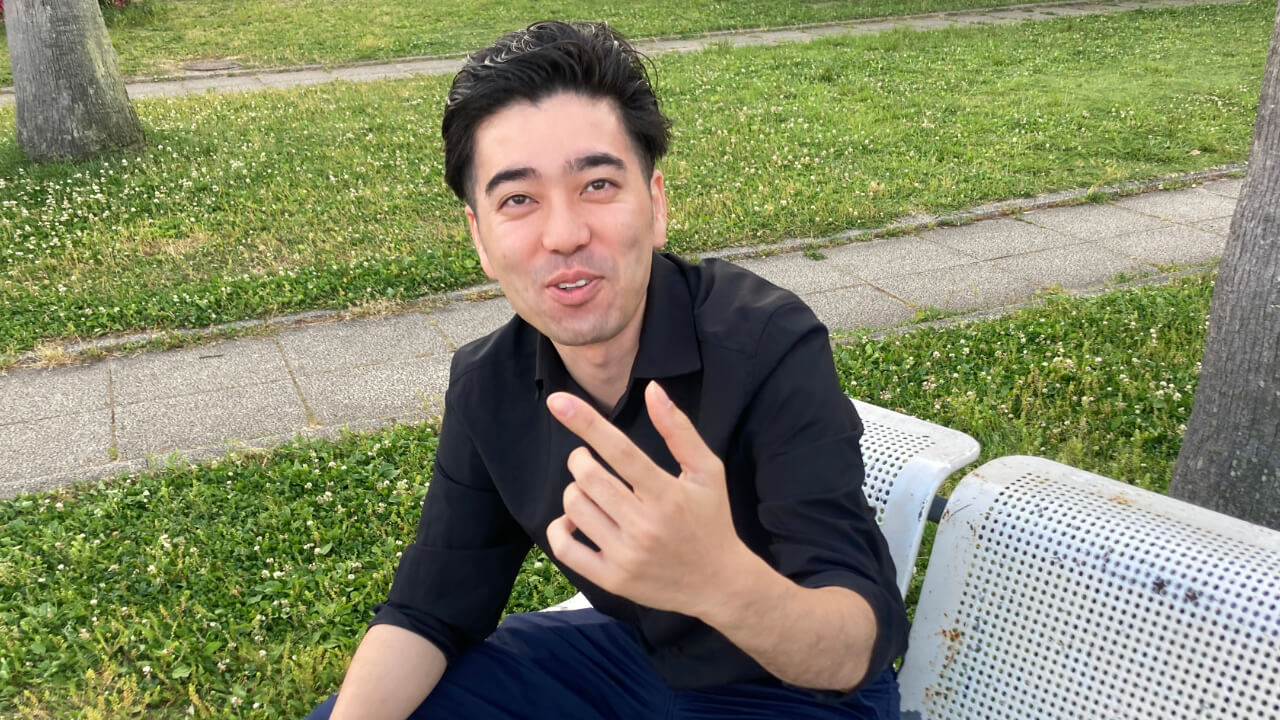
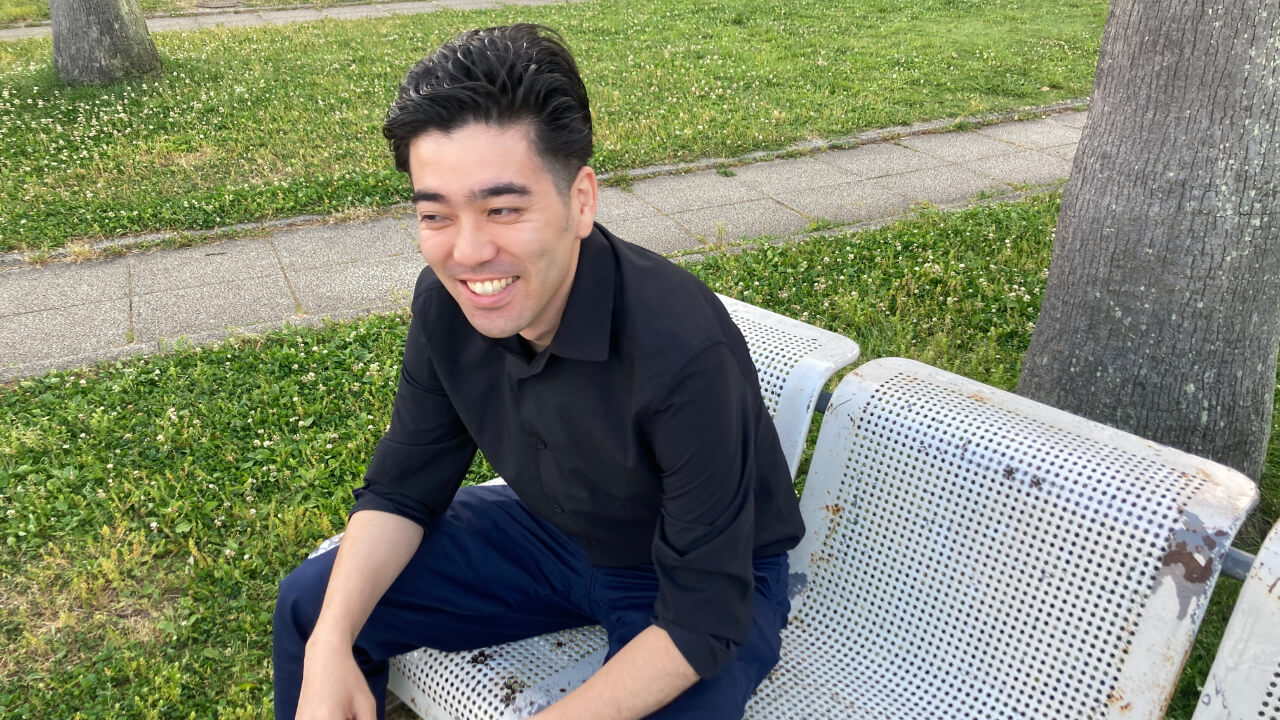
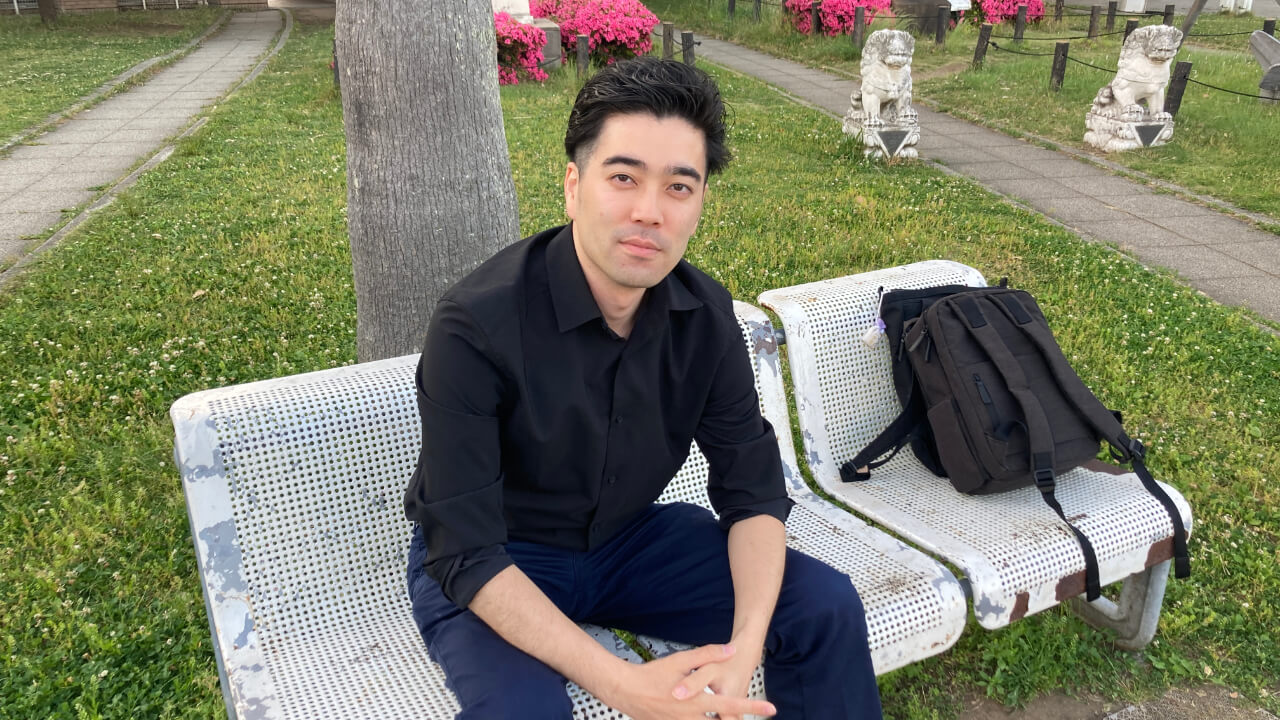
For Yuto Horiuchi, the founder of JRRF, the numbers are almost beside the point. Ahead of the opening, he sat down with AM Insight Asia to talk about the decision to incorporate, what has not gone to plan, and what he believes the maker community in Japan still fundamentally lacks.
Why Japan RepRap Festival Became an Incorporated Association
The first JRRF, held in June 2025, was built in roughly three months with the support of many volunteers. It drew 1,500 visitors over two days — a turnout that surprised everyone, including the organizers and exhibitors themselves. But that success immediately surfaced a problem.
“The scale became too large to run as an individual,” Horiuchi says. “And there was another reason. If a single company organizes this, it creates conflicts of interest. Some companies would come, others would stay away. I wanted a more neutral structure.”
The solution was to establish an incorporated association (一般社団法人), with Horiuchi and three founding members. They did not come from a boardroom or a business plan. They showed up to help at JRRF 2025, connected through years of shared activity on X (formerly Twitter), and chose to go deeper.
JRRF Founding & Operations Members
| Name | Role | Background |
|---|---|---|
| Yuto Horiuchi ( X: @YuTR0N ) | Representative | Works in manufacturing at a foreign-affiliated company; founder of JRRF |
| Masaki Nakamura ( X: @kuromame2209 ) | Vice Representative | Runs a 3D printer e-commerce business; individual and corporate sales |
| Yutaro Kimura ( X: @eternalfriend17 ) | Operations | Software engineer at an IT firm; freelance robotics engineer |
| Daisuke Sato ( X: @Tiryoh ) | Operations | Robotics software engineer |
| Zoe Wang ( @Zoe8461 ) | Operations Support | 3D printing enthusiast; primarily handles Chinese-language communications |
“They shared the vision,” Horiuchi says. “That was enough.”
Incorporation brought new complexity. Running an event at this scale means confronting questions that never arose before: what happens when an attendee falls ill on the floor, or a child breaks something on display? Non-functional crowdfunding prototypes have been turned away since the first event — a policy Horiuchi has held consistently from the start.
“Last year there were a lot of gaps,” he says. “Three months of preparation, doing it for the first time. This year we tried to address those things deliberately. But even now, things come up that we did not think of. The more people you have, the more scenarios you have to prepare for.”
Last Year Was a Success. So Why Go Bigger?
AMIA put the question directly: last year was a breakout success. Given the growing risk and burden, was it really necessary to scale up further?
“What I actually want is for more people to know about 3D printers,” Horiuchi answered. “To do that, you need scale. You need presence. And that costs money — more than most people realize.”
AMIA shared the same instinct. At Japan Hobby Show, attended by both recently, the gap was unmistakable: outside the existing community, awareness of 3D printing is still nearly zero. Horiuchi felt it too.
“I looked around and thought: people have heard the words ‘3D printer,’ but they have never seen one running, they have no idea what they cost today, they have never seen what one can make. That reality is simply not reaching people outside this world. It is still a niche.”
The decision to scale is not driven by metrics or revenue. It comes from the conviction that the technology’s potential is not reaching the people who could benefit most. And a larger crowd is good for exhibitors too — people who show up to share what they have made need an audience. Growing the event serves visitors and exhibitors alike.
What RepRap Means in 2026
JRRF carries the RepRap name, and that name carries weight. The RepRap movement was built on open-source principles, self-replication, and a deliberate distance from commercial interests. Bringing dozens of corporate sponsors into a festival with that name is not a neutral act. Horiuchi knows this.
“The RepRap spirit is at the core,” he says. “But I want more people to discover how interesting 3D printing is. And that costs far more than most people imagine.”
On the question of exhibitors, Horiuchi is pragmatic. The 3D printing industry carries unresolved tensions around intellectual property and other issues — particularly between Western companies and certain manufacturers whose products have drawn long-running criticism over similarity. Some of that context is visible publicly. Some of it is not, and those who know the full picture see it differently from those who do not. When JRRF’s exhibitor list was announced, the responses on social media made that tension visible.
“These same companies exhibit at major trade shows in Europe and the United States,” Horiuchi points out. “Just because this event has RepRap in the name does not mean JRRF alone should be setting industry-wide standards for who is acceptable. Once you start down that road, there is no end to it.”
His policy is to err toward inclusion, with one firm line: exhibitors must show products that actually work. No non-functional crowdfunding prototypes. No machines that a visitor might later purchase and find unusable.
“I do not want visitors to leave worse off than when they came in,” he says.
On how others interpret RepRap, he is equally open-handed. “If someone wants to run an event that is purely RepRap-focused, that is completely valid. How you interpret it is up to you.”
The Wall That a Festival Alone Cannot Break
Scaling up to reach more people — there is no objection to that direction. But AMIA pointed to a risk on the other side. A festival can introduce someone to a 3D printer. What comes after that?
“Showing people a 3D printer is not the same as teaching them how to use one,” Horiuchi responded immediately. “Telling people to search online or ask in a community forum is not a path to real adoption. I want to build out the learning side of this.”
AMIA pushed further. Since BambuLab entered the market, 3D printers have moved from specialist machines toward something closer to a home appliance. More people can use them. But product liability law, copyright, licensing, and materials restricted under food safety regulations — the responsibilities that come with making and selling things — have not kept pace with that accessibility.
“That is exactly right,” Horiuchi says. “The barrier to entry has come down, and people are moving forward without understanding the responsibilities that come with it. That is what worries me.”
Being able to use a machine and knowing how to use it responsibly are two entirely different things. Spreading awareness and spreading responsibility must go together. Having established a formal legal entity, Horiuchi sees education as the next area JRRF needs to move into — not just organizing events, but helping build a foundation for the maker community to grow in the right way.
At the same time, the more immediate challenge is simply reaching people outside the existing community. JRRF is already well known among people who follow 3D printing on X. Reaching ordinary people, families, and children is a different problem entirely.
“I give up weekends. I travel to events. We have started using some advertising,” Horiuchi says. “But there are limits to what that achieves. We need to find a better way to reach people who have never thought about this technology at all.”
AM Insight Asia Perspective
Ahead of JRRF 2026, AM Insight Asia and Yuto Horiuchi talked openly across a range of subjects: the decision to incorporate, how to interpret RepRap today, the complexity of IP tensions, and the gap in maker education. These are not questions with easy answers, and they do not belong to JRRF alone. They are questions the global 3D printing community is navigating together — and questions each person in that community has to think through for themselves.
What JRRF has built in one year is not easy to quantify. Launched in three months, drawing a crowd that surprised everyone, now returning as a formal organization with 163 booths. This is what community momentum looks like when it takes structural form.
Where JRRF goes from here is still being written. The direction — education, responsibility, reaching people outside the existing world — is clear. How it actually takes shape is another matter. There are not many maker communities in Asia that have self-organized at this pace. AM Insight Asia will be watching, and supporting, from a media perspective.
Japan RepRap Festival 2026 opens May 30. This is where it gets interesting.