Why did Bambu Lab choose a university over a mall?
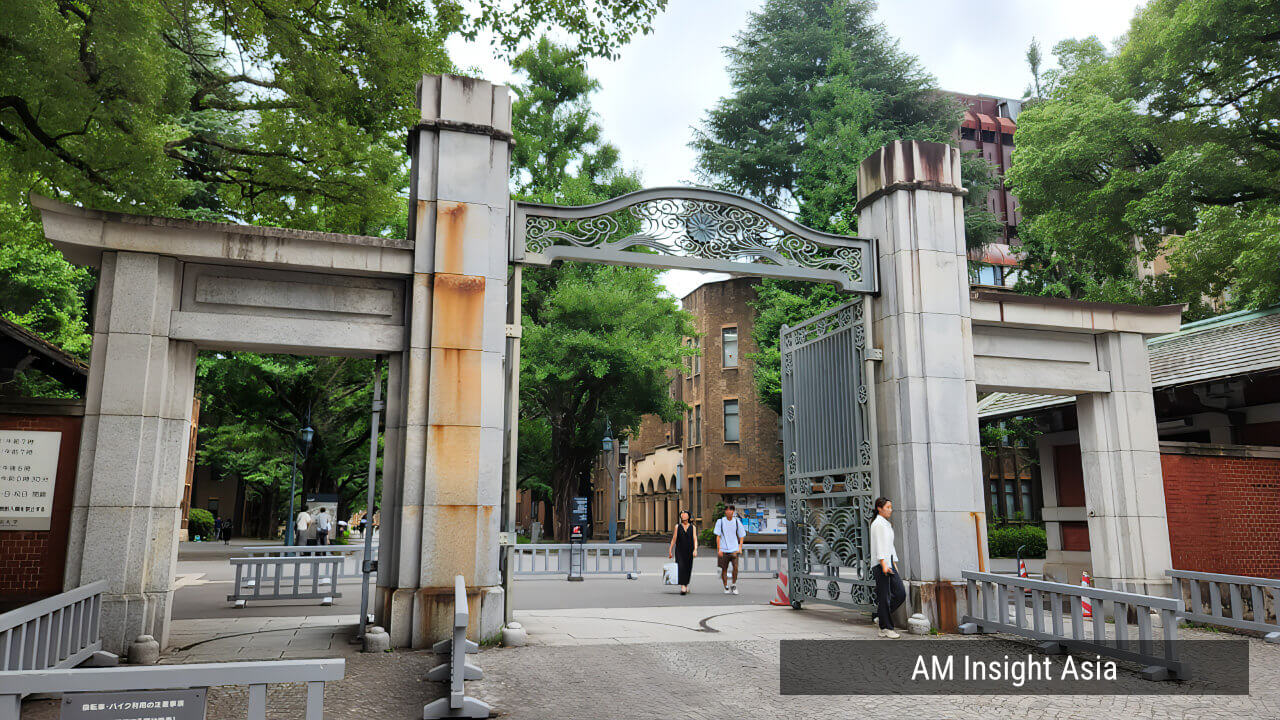
Not a shopping district. Not a train station. And nothing like the sprawling malls Bambu Lab has chosen in Shenzhen or Bangkok. This time, the company’s pick was the University of Tokyo’s main gate.
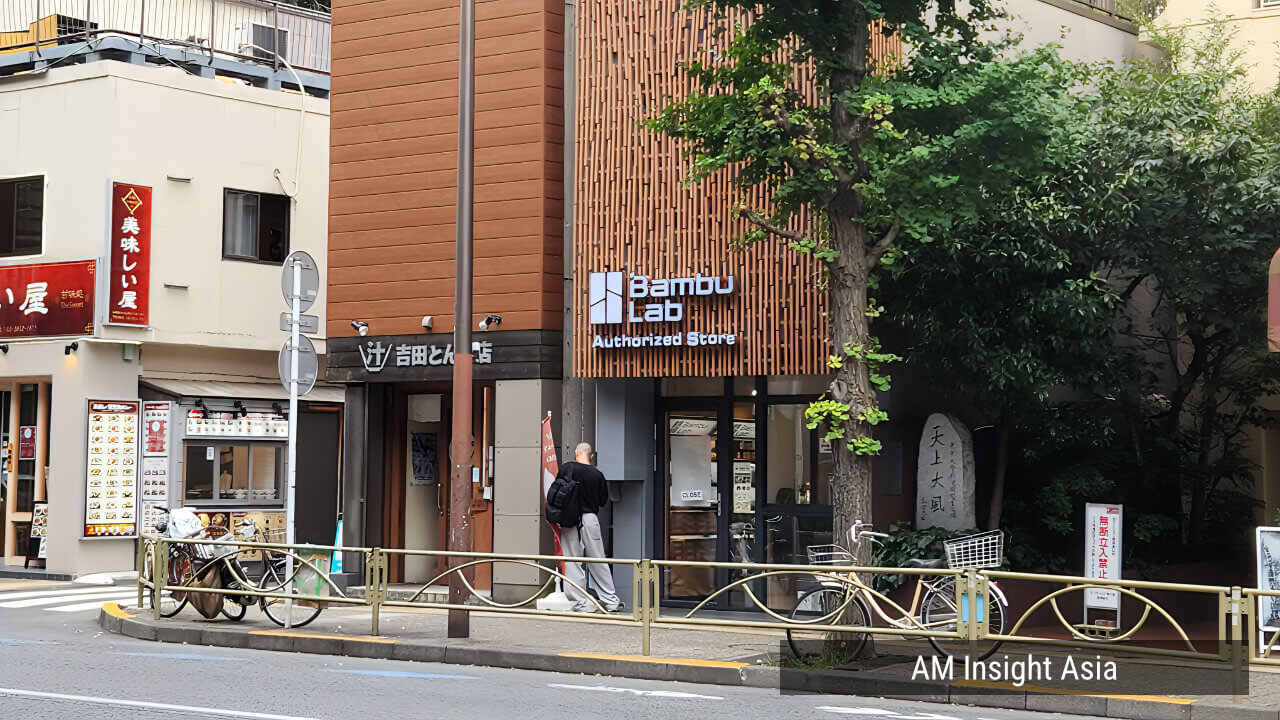
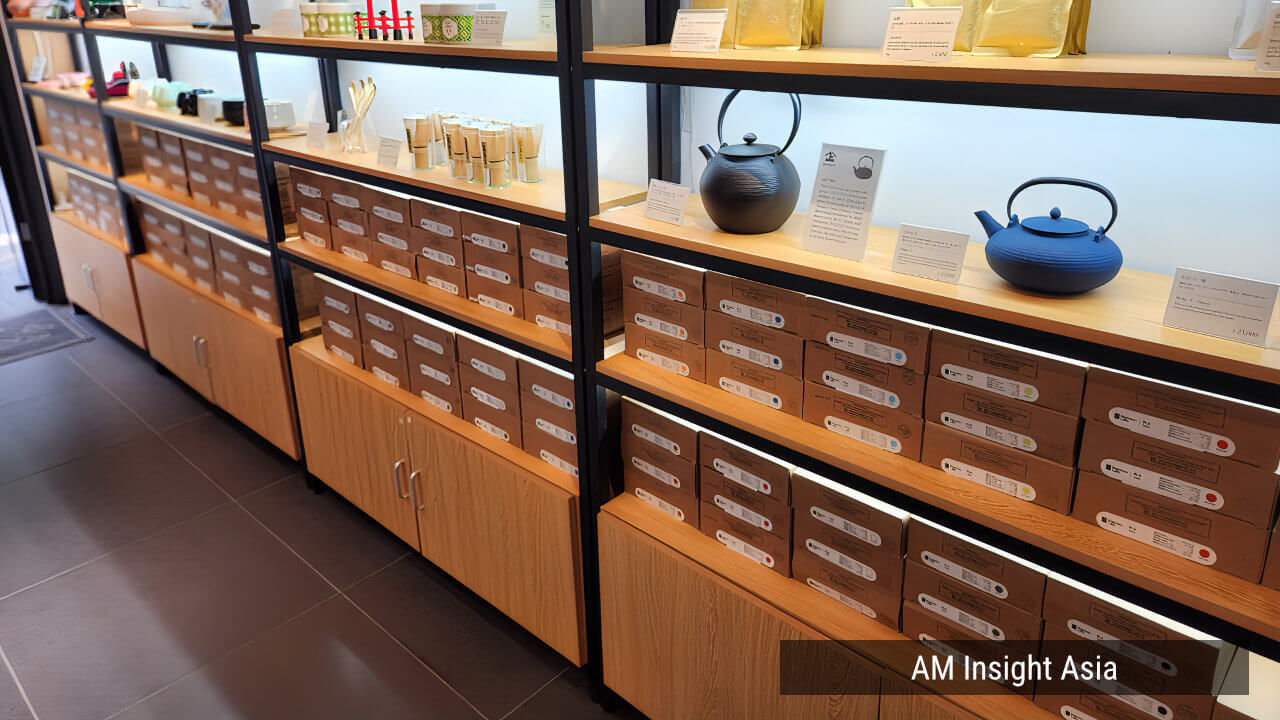
Just outside the main gate of the University of Tokyo’s Hongo campus, along Hongo-dori in Tokyo’s Bunkyo ward, sits OCHARU Seichajo, a shop selling both Chinese and Japanese tea. Inside, tucked beneath shelves lined with tea ware, boxes of 3D-printing filament sit stacked up. That corner houses an authorized store for Bambu Lab, the Chinese 3D printer maker.
A Small Shop by the Main Gate Where Tea Ware Shares Space with Filament Boxes
The building at 6-2-10 Hongo houses OCHARU Seichajo on the first floor and Ocharyu Sado Dojo, a tea ceremony space branded “Japanese Tea Experience,” on the second. Both are run by IKKO Co., Ltd. Its president, Yang Qiwei, holds China’s top national certification for tea appraisal and personally selects and blends the leaves sold under the OCHARU brand. A Chinese tea specialist curating a Japanese tea lineup and a tea ceremony experience is one of the shop’s distinguishing features. The first floor sells matcha lattes and soft-serve alongside Chinese tea leaves such as Huangshan Maofeng, Longjing, and pu-erh, plus Japanese tea bags like gyokuro and genmaicha under the OCHARU label.
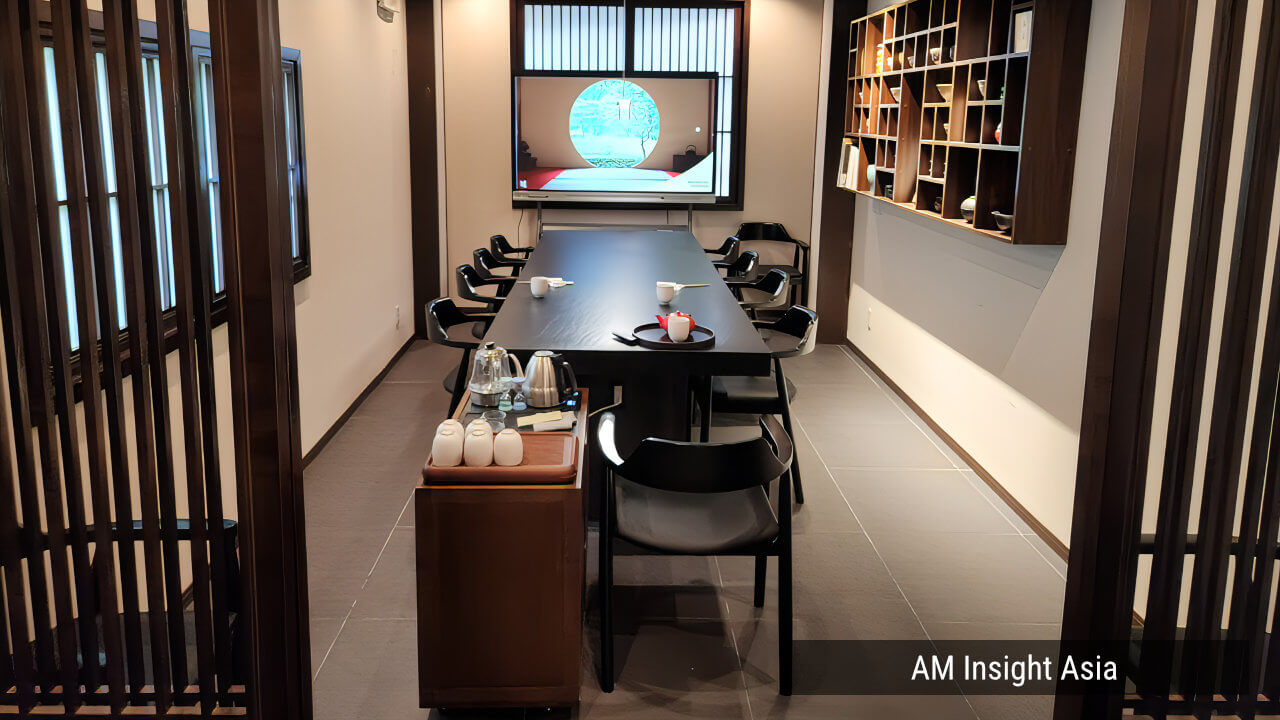
Upstairs, the tea ceremony space has shelving lined with tea utensils and a monitor playing footage of a Japanese garden.
That same first floor is also home to Bambu Lab Authorized Store, University of Tokyo. A sign bearing the store’s name hangs outside, marking it as an authorized dealer rather than a company-run outlet.
Inside, six 3D printers line the shelves, including the X2D, P2S, and H2D. Boxes of filament sit stacked directly beneath the shelves holding tea ware and canisters of tea leaves, so tea equipment and printer supplies share the same space.
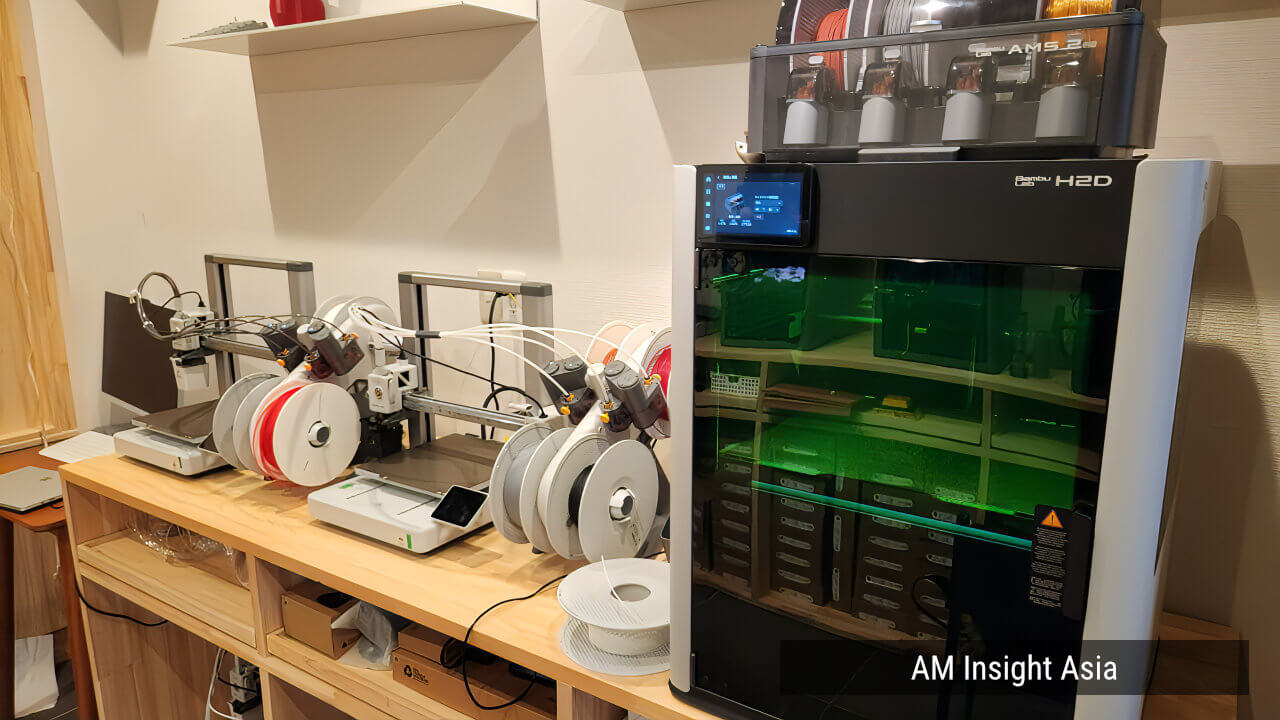
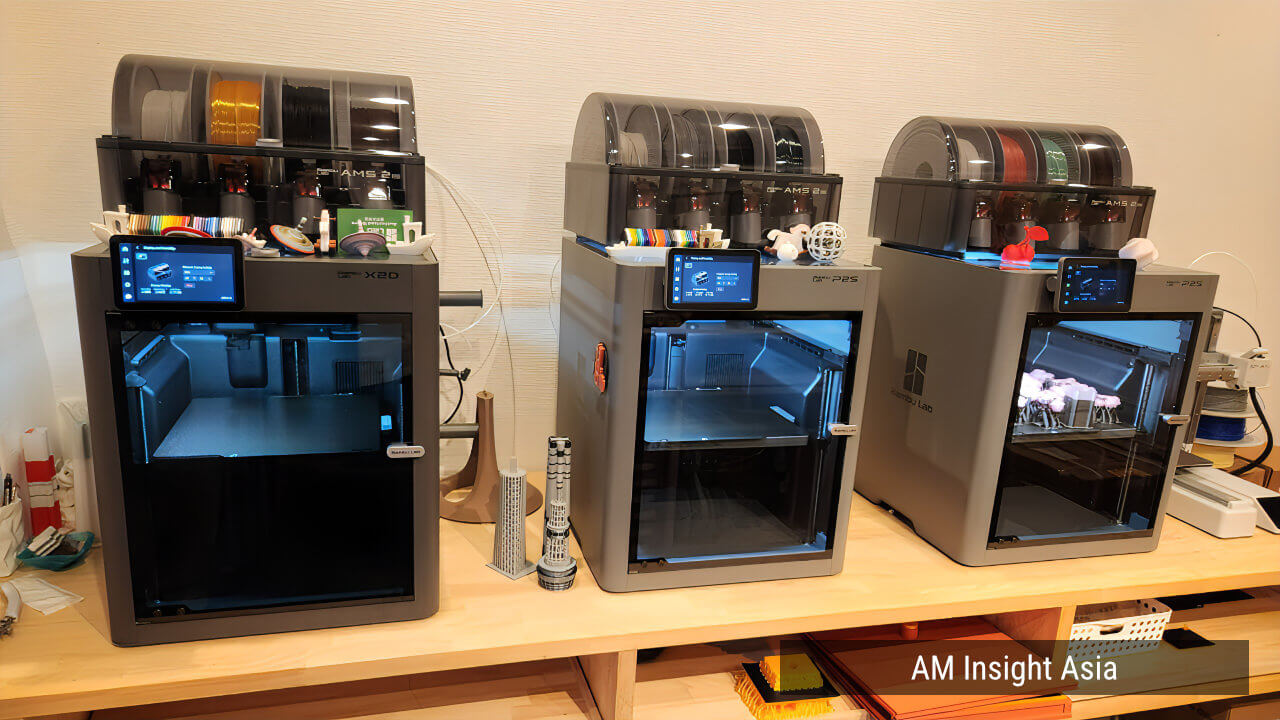
A wave-shaped panel beside the register displays rows of filament color samples, and printed pieces, from a model of Tokyo Tower to panda figurines, roses, and a goose, sit on display shelves. Customers can buy filament on the spot and order printer units directly at the counter.
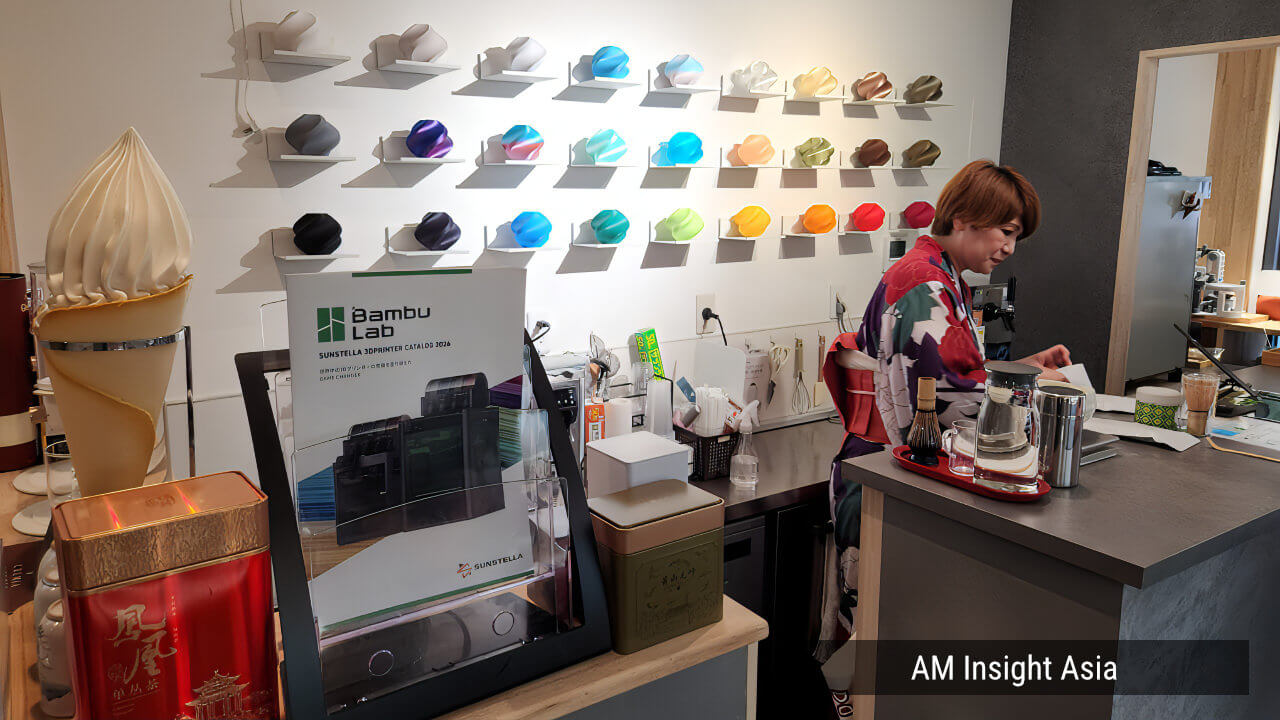
Workshops and hands-on sessions are also planned for the printer area, though the details have yet to be finalized.
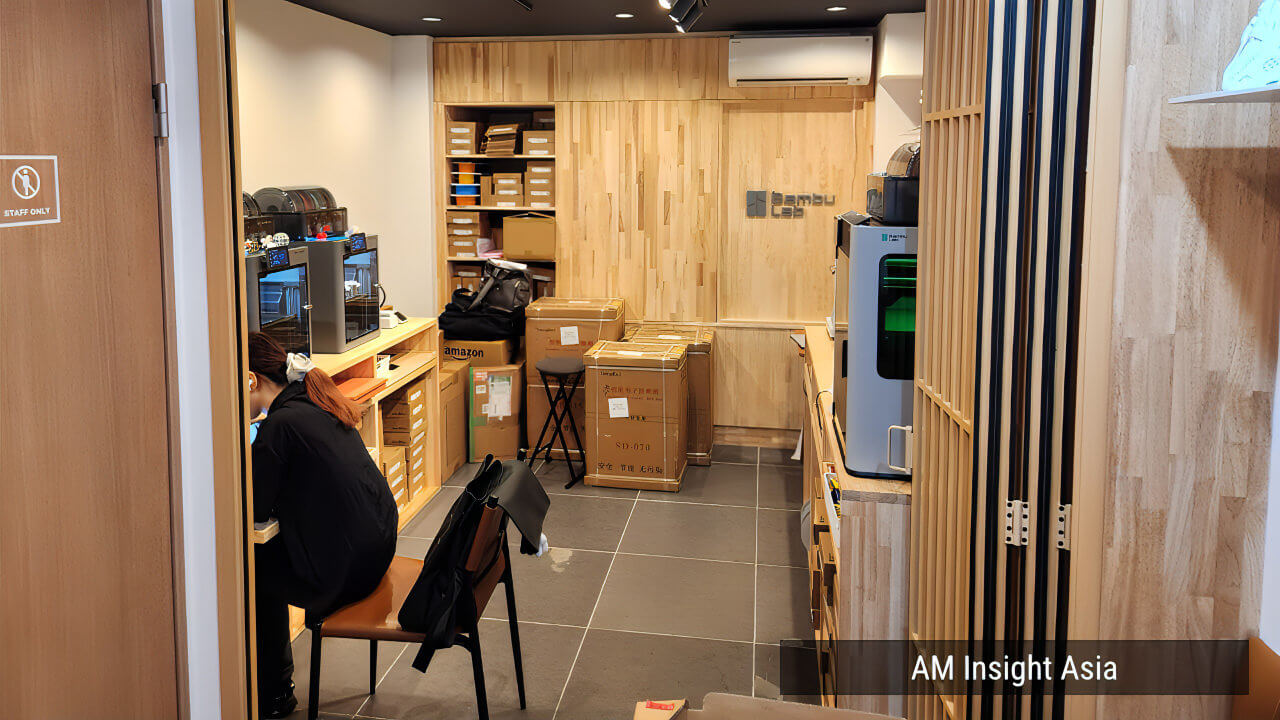
A Location Choice at Odds with the “Mall Flagship” Model Seen in Shenzhen and Bangkok
Overseas, Bambu Lab has been opening flagship stores inside large shopping malls. In September 2025, it opened its first global flagship, a two-story company-run store, in the MixC Shenzhen Bay mall in Shenzhen’s Nanshan district. The store features hands-on exhibits, including a large-scale 3D-printed sculpture and an installation built from 28 printers.
In July 2026, its first authorized premium store in Thailand opened at Siam Paragon, an upscale mall in Bangkok. The CEO of 3D Studio, Bambu Lab’s local partner there, said the company’s Thai business had more than doubled year over year.
Both are placements inside large malls built to draw a broad, general audience. In Japan too, distributor Sunstella plans to open a hands-on store, Sunstella 3D Station Ikebukuro, in Tokyo’s Ikebukuro district in the summer of 2026, another commercial-district location. The store outside the University of Tokyo’s main gate, by contrast, sits in neither a commercial district nor a mall. It draws from a fundamentally different pool of passersby.
AM Insight Asia Perspective
This follows a different logic than the mall flagship model used overseas. Malls buy broad, shallow reach. A spot outside a university’s main gate trades that reach for a smaller but denser pool: students, faculty, and lab and club members who tend to have an above-average interest in technology and making things. It is a promotion strategy aimed squarely at the university.
What we learned while reporting suggests the location was not accidental but a deliberate choice. Whether the target is students specifically, or the broader university community including faculty and clubs, is not something we can determine at this point.
Even under the same brand, Bambu Lab appears to be testing different distribution models market by market.
About the Company
Bambu Lab is a Shenzhen-based 3D printer maker founded in 2020 by a group of engineers formerly at DJI. It launched its first model, the X1, on Kickstarter in 2022, and has since expanded into the X1, A1, and H2D lines, among others. The company also has operations in Shanghai and in Texas, and makes 3D printers and filament for individual, educational, and commercial use.